


Illegal betting sites widely available in Manitoba, CBC reports

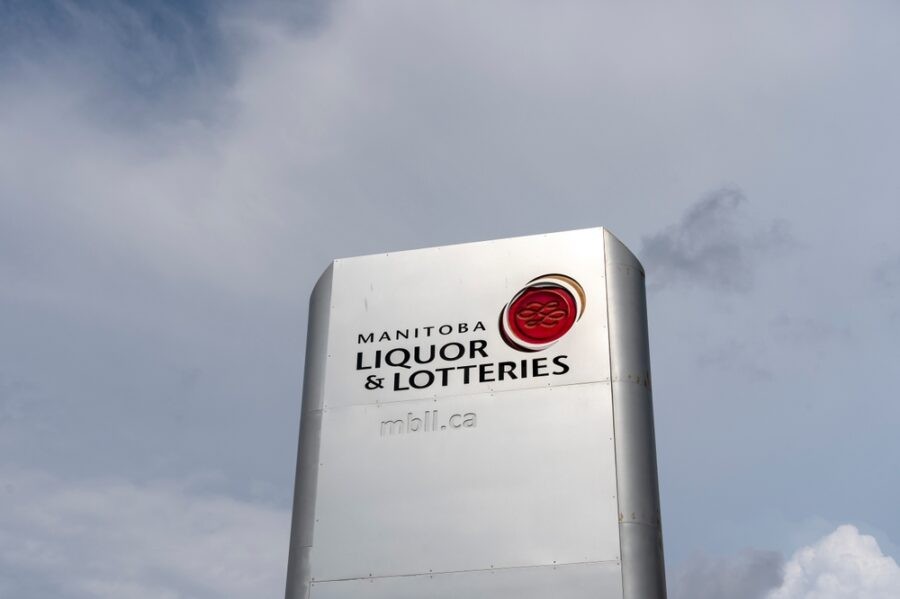
Several unlicensed betting sites are accessible in Manitoba, even though only one operator is authorized to offer sports bets in the province, as per an investigation by Canadian news outlet CBC.
Manitoba residents are allowed to bet through PlayNow, which, according to province regulator Manitoba Liquor & Lotteries, is the sole legal provider of igaming services.

But a recent investigation by CBC reporters found that they were able to register accounts, deposit money, and place bets on several gambling sites licensed in Ontario but not in Manitoba.
The list of sites included Sports Interaction, Tonybet, and Tooniebet, which the Manitoba Liquor & Lotteries says are operating illegally within Manitoba. The reporting has raised concerns among public health bodies, officials, and gambling addiction charities.
The federal government legalized sports betting in 2021, but left provinces to set their own rules.

Ontario opted to issue licenses to private operators, while Manitoba and others retained government-monopoly sites. The result is that dozens of brands licensed in Ontario advertise nationally, even though they are unable to take bets outside the province.
Manitoba regulators have reiterated that any operator offering online betting to Manitobans without provincial approval is in violation of the Criminal Code.
Their position was underlined last year when a Manitoba court granted an injunction against offshore betting site Bodog.
Charlotte Capewell brings her passion for storytelling and expertise in writing, researching, and the gambling industry to every article she writes. Her specialties include the US gambling industry, regulator legislation, igaming, and more.

Dig Deeper
Related stories


The Backstory
How Manitoba’s one-operator model collided with a borderless market
Manitoba’s decision to keep a single legal online gambling platform, PlayNow, put the province on a collision course with a national advertising environment and offshore operators that ignore boundaries. After Canada legalized single-event sports betting in 2021 and left implementation to the provinces, Manitoba stayed with a monopoly while Ontario opened its market to private brands. That split led to a wave of nationally visible operators whose apps and promotions reach audiences far beyond where they are licensed.
That mismatch set up the conditions for the latest flashpoint: reporters finding they could open accounts and wager on sites licensed in Ontario but not in Manitoba. Provincial officials have maintained that any operator taking bets without local approval is in violation of the Criminal Code. They have also said that only PlayNow is legal for sports betting and online casino in Manitoba, a posture the regulator backed with a test case aimed at making an example of a high-profile offshore brand.
The immediate stakes are consumer protection and public revenue. Lottery corporations argue that legal platforms route profits to government programs and operate under responsible gambling, anti-money-laundering and tax regimes. Unlicensed sites do not. That narrative became central as provincial agencies sought an injunction to force one of the most visible offshore sites off the Manitoba internet.
The Bodog test case becomes a provincial line in the sand
The Canadian Lottery Coalition, a group representing lottery corporations in multiple provinces, chose Manitoba as the venue to push back in court. In February, the Manitoba Liquor & Lotteries Corporation said it would seek an injunction on the coalition’s behalf against Bodog and related entities. The filing targeted Il Nido, which operates the gambling platform, and Sanctum IP Holdings, which controls trademarks, and sought to prohibit both commercial activity and advertising in the province.
The coalition argued the brand marketed itself as lawful and safe despite a lack of authorization and that it used a free-play site to drive traffic to real-money wagering. After the court set a schedule, the regulator and coalition framed the case as a first-of-its-kind effort to defend provincial jurisdictions and redirect proceeds to public services. The early procedural win ensured a full hearing and signaled a willingness to treat advertising claims and geoblocking as enforceable issues rather than a gray area.
That incremental progress was chronicled as the injunction moved toward a decision, with counsel securing a May hearing date and laying out filings, according to reporting on the Manitoba court injunction against Bodog moving forward. The groundwork underscored how regulators planned to test whether a court would order technical barriers to access and whether marketing that implies legitimacy could be curbed even when operations are based offshore.
Court orders geoblocking, declares operations unlawful
The decisive turn came when a Manitoba judge ordered Bodog to stop offering gambling products to provincial residents. The ruling required the affiliated companies to implement geoblocking measures to prevent local access, a remedy that aims at the practical realities of internet distribution. The court sided with the coalition’s core claims: the platform allowed Manitobans to place bets and presented itself as licensed and legitimate when it was not authorized in the province.
The decision, detailed in coverage of Bodog ordered to stop operating in Manitoba, set an enforcement template. It blended consumer-protection assertions with jurisdictional authority and technology mandates. The order also addressed the relationship between a free-play site and real-money operations, indicating that funneling users through ostensibly non-wagering portals does not shield operators from scrutiny if the end point is illegal wagering.
In a subsequent written explanation, the court elaborated on why it considered the site’s claims misleading and its operations in violation of Canada’s criminal code. The judge emphasized the lack of regulatory oversight, responsible gambling protocols, taxes and other statutory obligations. Leaders of provincial lottery corporations welcomed the reasoning, tying it to concerns about player safety and diverted funds. That legal rationale, captured in Manitoba court stands by Bodog ban, strengthens the coalition’s case for similar actions elsewhere and signals that courts may evaluate online gambling advertising as more than mere puffery when it implies legal status.
Why this matters beyond one brand
The court’s willingness to compel geoblocking and to scrutinize marketing claims raises the risk calculus for any site accessible in a province where it lacks approval. For regulators, the decision offers a playbook: confirm jurisdiction, document accessibility to residents, tie advertising to misrepresentation and push for a technical fix that can be monitored. For operators, it complicates national campaigns built on the assumption that licensing in one province and servers abroad can insulate them from enforcement elsewhere.
The timing intersects with rising public health concern about the availability and normalization of betting apps. The line between legal and illegal can be obscure to consumers, especially when brands are visible during national broadcasts. That ambiguity is part of what provincial officials have sought to eliminate through litigation. By stating that unlicensed operations harm consumers and drain public revenue, they aim to reframe the debate from market choice to compliance and accountability.
The Manitoba case also tests how far a single-province monopoly can project power in a fragmented national framework. Ontario’s open market and advertising footprint create spillovers that challenge provinces taking a different approach. Legal victories in one jurisdiction could influence tactics in others, but lasting clarity will likely require either harmonized standards or a federal intervention that redefines the balance of authority.
Global crackdowns hint at the next enforcement phase
Manitoba is not alone in escalating against unlicensed online gambling. Authorities elsewhere are pairing legal actions with technical and financial controls that target access, advertising and payments. Turkey, for instance, reported shuttering more than 233,000 illegal gambling sites in 2024, a sharp rise from the prior year, according to Turkey shuts down over 230,000 illegal igaming sites in 2024. The campaign relies on coordinated cybercrime enforcement, payment disruption and penalties, and it positions geoblocking and domain takedowns as routine tools.
India’s policy debate is moving on similar tracks. A think tank there is pushing regulators and big tech to cut off advertising and payment rails for offshore gambling sites, warning about money laundering risks and the scale of traffic driven by social platforms. The call for joint action from companies like Google and Meta signals a shift toward platform accountability, as outlined in Digital India Foundation calls for stricter enforcement on illegal online gambling sites. Together, these examples point to an enforcement model that goes beyond courtroom injunctions to coordinated pressure across the digital ecosystem.
For Manitoba and other Canadian provinces, the next phase may blend the court-tested geoblocking order with stricter scrutiny of ad channels and payment processors. If courts continue to view claims of legitimacy by unlicensed operators as misleading, regulators could push broadcasters, app stores and social platforms to police promotions more aggressively. That would tighten the net around operators straddling regulatory boundaries and reduce the gray space that allows illegal sites to flourish.
The through line is consistency: align legal authority, technology and commercial incentives so that the lawful market is the default experience for consumers. The Bodog rulings give provinces a legal foothold. Scaling that into a durable framework will determine whether the one-operator model can be defended in a national media landscape and whether enforcement can keep pace with a borderless product.
