HKJC warns gov’t limits are encouraging illegal market, while reporting record FY26 wagering

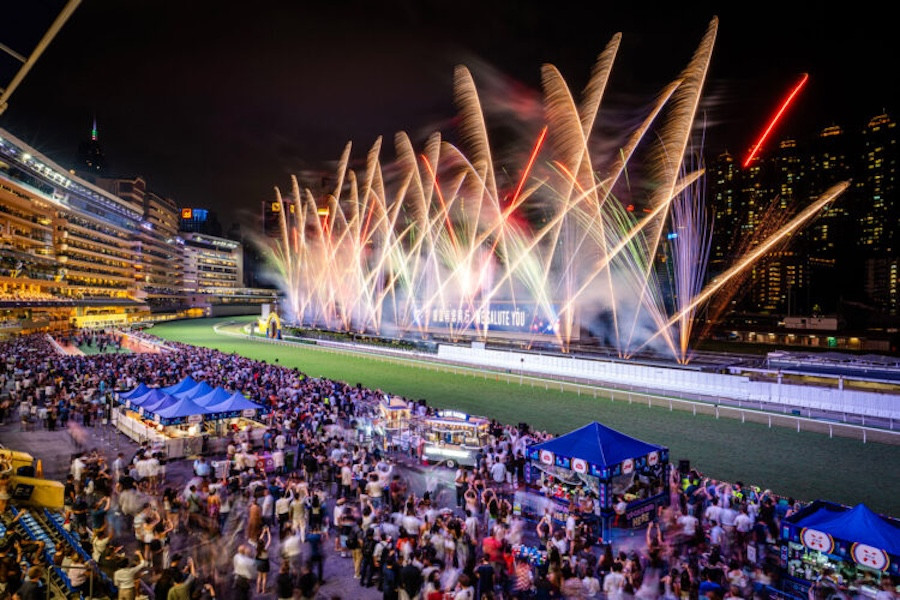
The Hong Kong Jockey Club (HKJC) has again warned that the jurisdiction’s high betting duties and limit on sports betting options is leaving room for illegal operators to rule the local market.
The group included the advice in its results release on Wednesday, where it highlighted a 3.6% increase in revenue, to HK$50.8 billion (US$6.5 billion)1 HKD = 0.1275 USD
2026-09-03Powered by CMG CurrenShift for the financial year ended 30 June 2026. The group noted that the results were aided by strong betting around the World Cup, as football and horse racing are the only sports that can be wagered on in the Special Administrative Region.

The HKJC noted that its limit to just two options compares to up to 60 for illegal operators. This includes basketball, a sports betting option the HKJC was preparing to launch after the government initially gave it the green light. However, the plan was paused in April, with the government citing concerns around the rise of prediction markets in the United States.
“The Club fully respects the HKSAR Government’s decision to pause the granting of a license for regulated basketball betting,” the HKJC stated. “But with no legal channel available, the illegal market on basketball will continue to expand and along with it the social and criminal damage to the community.”
The group on Wednesday lamented the “eroding […] competitiveness of the Club’s licensed wagering products,” citing the near-75% betting duty on racing and the 50% tax of gross margin on football betting.

Despite this, the group still recorded record wagering and lottery turnover of HK$331.7 billion (US$42.3 billion)1 HKD = 0.1275 USD
2026-09-03Powered by CMG CurrenShift in FY26, generating HK$29.3 billion (US$3.7 billion)1 HKD = 0.1275 USD
2026-09-03Powered by CMG CurrenShift in betting duty and profits tax.
The group noted that total racing wagering turnover was up 3.6% yearly to HK$143.3 billion (US$18.3 billion)1 HKD = 0.1275 USD
2026-09-03Powered by CMG CurrenShift, creating gaming revenue of HK$19.9 billion (US$2.5 billion)1 HKD = 0.1275 USD
2026-09-03Powered by CMG CurrenShift. Football betting was up 3.6% to HK$179 billion (US$23 billion)1 HKD = 0.1275 USD
2026-09-03Powered by CMG CurrenShift in wagers, with gaming revenue of HK$22.6 billion (US$2.9 billion)1 HKD = 0.1275 USD
2026-09-03Powered by CMG CurrenShift.
The group indicated that “The HKSAR Government’s support for new bet types was crucial in helping the Club compete against the illegal market, alongside the introduction of new league competitions, this summer’s global football tournament and the outstanding performance of the Club’s trading team aided by world-class risk management technology.”

Dig Deeper
Related stories
 2026/07/22: Hong Kong Police arrest 991, seize US$47 million in betting records from illegal World Cup wagering
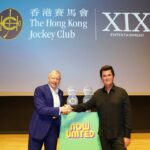 2025/05/13: Hong Kong Jockey Club sets out stall as global sports entertainment brand
 2026/08/25: Total Philippines gambling ad ban seen handing market back to illegal operators, data from five countries show
 2025/10/10: Australian senator rejects invitation to return to sports club in light of gambling lobby sponsor
2026/07/22: Hong Kong Police arrest 991, seize US$47 million in betting records from illegal World Cup wagering
2025/05/13: Hong Kong Jockey Club sets out stall as global sports entertainment brand
2026/08/25: Total Philippines gambling ad ban seen handing market back to illegal operators, data from five countries show
2025/10/10: Australian senator rejects invitation to return to sports club in light of gambling lobby sponsor
The Backstory
Record wagering sharpens an old policy dispute
The Hong Kong Jockey Club’s latest results put renewed pressure on a long-running question for the city: whether tightly limiting legal betting channels suppresses gambling or simply leaves more demand to illegal operators. The club reported record wagering and lottery turnover for the financial year ended June 30, 2026, while warning that high duties and a narrow sports betting menu are weakening the legal market’s ability to compete.
That argument has become more pointed because the current uplift was helped by a global football tournament, one of the few major sporting events Hong Kong residents can bet on legally through the club. Horse racing and football remain the only permitted sports betting products in the city. The club says illegal operators can offer dozens more, including basketball, creating an imbalance that regulation has not eliminated.
The policy stakes are significant. HKJC remains one of Hong Kong’s largest contributors to public finances through betting duty, profits tax and charitable giving. When legal wagering grows, the government captures substantial revenue. When betting moves offshore or underground, authorities face a different equation: enforcement costs rise, consumer safeguards fall away and tax revenue is lost.
Basketball was meant to be the next channel
The debate over product range accelerated after officials began examining whether to legalize basketball betting. In early discussions, the fiscal backdrop was central. Hong Kong was facing a large budget deficit, and basketball wagering was seen as a potential source of tax revenue and a way to draw existing demand away from illegal sportsbooks. The city’s financial secretary, Paul Chan Mo-po, was reported to be considering the move as officials weighed options to broaden the legal market.
At the time, HKJC Chief Executive Winfried Engelbrecht-Bresges had already warned that illegal betting on basketball was substantial. He estimated that 100,000 to 150,000 local bettors were placing basketball wagers outside the legal system, with illegal sportsbooks generating large volumes from the sport. The club and policymakers were therefore not looking at whether basketball betting existed in Hong Kong, but whether it should remain entirely outside the regulated framework.
The case for legalization was strengthened by the existing football model. HKJC already pays a 50% duty on sports betting net receipts from football, giving the government a direct fiscal interest in regulated wagering. If basketball were taxed on a similar basis, officials expected meaningful additional revenue. The broader policy argument was that a single licensed operator could provide age checks, transaction records and responsible gambling controls that illegal bookmakers do not offer.
That thinking led to legislative movement. Hong Kong passed a proposal in September 2025 that would allow basketball betting, with HKJC expected to receive the sole license and launch in time for the 2026-27 NBA season. For the club, the decision promised a rare expansion of its sports betting portfolio and a chance to compete more directly against illegal operators in one of their strongest categories.
Prediction markets changed the government’s risk calculus
The planned launch did not proceed. In April, officials paused the basketball betting rollout, citing concerns over the rapid rise of prediction markets in the United States and the possibility that introducing a new sports betting product could draw attention to similar unlicensed activity.
The Home and Youth Affairs Bureau said the government needed more time to study how prediction markets operate and how they might affect Hong Kong’s gambling environment. Officials stressed that betting on sports events through prediction markets would constitute illegal gambling in Hong Kong. Their concern was not only that basketball betting could add another legal product, but that the surrounding public debate might make residents more aware of platforms that sit outside the city’s regulatory system.
The pause reflected an increasingly complicated global environment. In the U.S., prediction market platforms have been overseen at the federal level as derivatives venues while also facing challenges from states that argue sports-event contracts amount to unlicensed gambling. That unresolved boundary between financial products and wagering has made regulators elsewhere more cautious.
For HKJC, however, the delay reinforced its central complaint. The club says the absence of a legal basketball channel does not prevent betting on the sport. Instead, it allows illegal operators to continue serving demand without consumer protections or tax obligations. In its latest results, the club said it respected the government’s decision but warned that illegal basketball betting would expand while no regulated alternative exists.
World Cup enforcement showed the scale of the black market
Hong Kong authorities have repeatedly demonstrated that illegal betting is not theoretical. During the World Cup period, police arrested 991 people and seized more than HK$365 million in betting records in a citywide operation targeting illegal gambling. The raids covered 249 locations and resulted in allegations that included bookmaking, facilitating bookmaking, betting with a bookmaker, operating illegal gambling establishments and money laundering.
The World Cup enforcement operation also produced seizures of cash, valuables, computers and hundreds of mobile phones suspected of being used to facilitate illegal bookmaking. The breadth of the arrests, which involved suspects aged 16 to 93, underscored how deeply illegal wagering networks can penetrate the market during major sporting events.
Hong Kong law imposes penalties on both bettors and bookmakers. Individuals who place bets with illegal bookmakers can face fines and imprisonment, while those who provide or promote illegal bookmaking face much heavier punishment. Yet enforcement remains reactive. Police can raid premises, seize records and arrest suspects, but online and mobile channels allow illegal operators to reorganize quickly and continue targeting customers.
That enforcement backdrop strengthens HKJC’s channelization argument. The club’s legal monopoly gives authorities a controlled point of oversight for permitted wagering, but the monopoly is limited by the products it may offer. During high-demand periods, such as the World Cup, the legal market can absorb football interest. For basketball and many other sports, customers seeking wagers must either abstain or use illegal channels.
High duties and limited products create a competitiveness problem
HKJC’s latest warning links product limits to taxation. The club says a near-75% betting duty on racing and a 50% tax on football gross margin erode the competitiveness of legal wagering products. High duties help fund public services and charitable activity, but they also constrain pricing and product development in a market where illegal operators carry none of those obligations.
The tension is familiar in gambling regulation. A legal operator is expected to fund government revenue, operate responsible gambling controls and comply with strict oversight. Illegal competitors can offer broader markets, potentially better odds and fewer restrictions. If the legal product becomes too narrow or costly, policymakers risk preserving the appearance of control while actual wagering migrates elsewhere.
This dynamic is not unique to Hong Kong. A recent analysis of the Philippines warned that a total gambling advertising ban could push players back to offshore operators by preventing licensed companies from reaching consumers while illegal sites continued operating outside the law. The Philippines advertising-ban debate focused on marketing rather than sports-betting menus, but the underlying policy issue is similar: restrictions that bind only legal operators can strengthen the illegal market if demand persists.
Hong Kong’s version of that problem is sharper because HKJC is the sole legal sports betting provider. The model can simplify oversight and revenue collection, but it also means any gap in the club’s permitted offering becomes a gap in the entire legal market. Illegal operators then become the only available suppliers for sports outside racing and football.
Entertainment ambitions meet regulatory constraints
HKJC has also been trying to broaden its public role beyond wagering. The club has positioned racing as part of Hong Kong’s tourism and entertainment strategy, including a partnership with Simon Fuller’s XIX Entertainment to bring the pop group Now United to racecourses and promote Hong Kong racing internationally. The sports and entertainment brand push reflects a wider effort to make racing a visitor experience and support the city’s global connectivity agenda.
That strategy depends partly on the club’s financial strength. HKJC’s tax payments, charity donations and investment in racing infrastructure give it economic and political weight. Strong wagering results help support those contributions, while illegal-market leakage threatens them. The club’s latest results therefore do more than report a record year; they give HKJC another opportunity to argue that its competitiveness is a public-interest issue.
The government’s challenge is to balance that claim against concerns about gambling harm and emerging products such as prediction markets. Expanding legal betting could improve oversight and revenue capture, but it also risks normalizing more wagering if controls are not credible. Pausing basketball betting buys time for study, but it also leaves illegal operators with a market the legal system has already identified and nearly moved to regulate.
That is the policy bind behind the latest results. Hong Kong’s legal betting system remains profitable and highly regulated, but it is operating in a sports market that illegal bookmakers can serve more broadly and flexibly. HKJC’s record turnover shows the legal channel is still powerful. Its warning is that power may be harder to sustain if regulation allows demand to grow where the club is not permitted to compete.