


Four arrested in the Philippines over online gambling hub

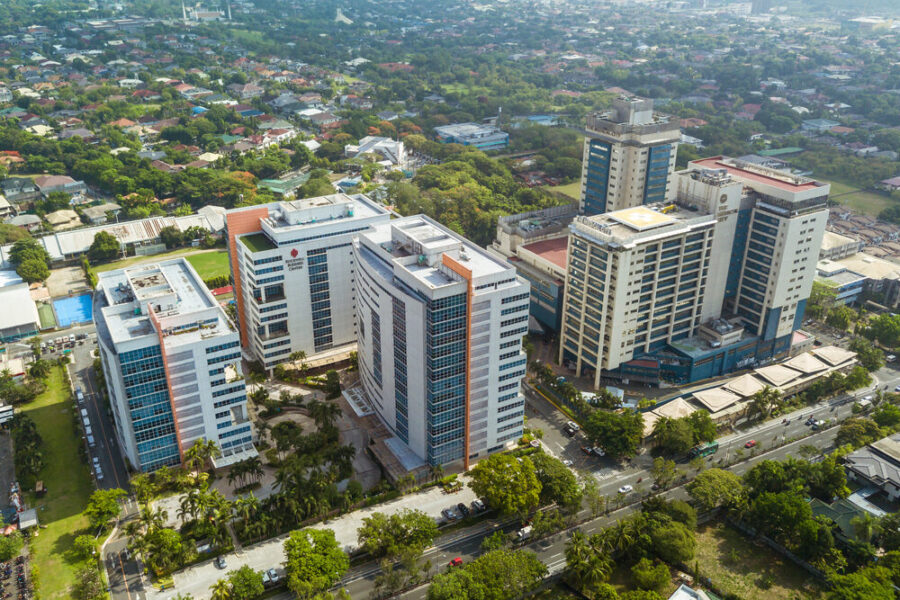
Police in the Philippines have arrested four South Korean nationals suspected of operating an illegal online gambling hub from a condominium unit in Cebu City.
Operatives from the Philippine National Police Anti-Cybercrime Group carried out the raid with a warrant to search, seize, and examine computer data, according to Inquirer.net.

The operation followed reports from concerned citizens about foreigners running illegal online gambling activities.
The Director of the Philippine National Police Anti-Cybercrime Group, Brigadier-General Wilson Asueta, said investigators believe the group had been operating what he described as a “mini-hub” for online gambling.
The suspects had allegedly promoted their numbers-based betting sites on social media over the past five years.

Police added that the operation also involved sports-related betting, including wagers tied to major league baseball, basketball, and other events, which generated at least PHP10 million (US$168,510)1 PHP = 0.0169 USD
2026-03-11Powered by CMG CurrenShift per month from players.
The Philippine National Police’s Regional Anti-Cybercrime Unit is also reportedly coordinating with the Bureau of Immigration to check for immigration violations.
The four men have been charged with violating Republic Act No. 9287, which increased the penalties for illegal numbers games outlined in the Cybercrime Prevention Act. All four suspects have also posted bail and are awaiting court proceedings.

The crackdown on illegal online gambling operations comes as Philippine senators last month called for stronger enforcement against the rise of illegal gambling.

Dig Deeper
Related stories
 2025/09/15: Seven arrested in Quezon City online gambling raid in the Philippines
 2025/10/21: Seven South Koreans arrested in Philippine illegal gambling operation
 2026/03/05: Philippine authorities move to charge influencers promoting illegal online gambling
2025/12/09: Philippine National Police intensify crackdown on foreign-run offshore gambling operations
2026/03/05: Philippine authorities move to charge influencers promoting illegal online gambling
2025/12/09: Philippine National Police intensify crackdown on foreign-run offshore gambling operations
2025/09/15: Seven arrested in Quezon City online gambling raid in the Philippines
2025/10/21: Seven South Koreans arrested in Philippine illegal gambling operation
2026/03/05: Philippine authorities move to charge influencers promoting illegal online gambling
2025/12/09: Philippine National Police intensify crackdown on foreign-run offshore gambling operations
The Backstory
A widening dragnet
The Cebu raid fits a broader pattern of Philippine authorities zeroing in on small, mobile hubs that power larger illegal betting ecosystems. In recent months, joint operations by Philippine and Korean agencies have netted multiple suspects tied to offshore gambling rings, including four Korean nationals arrested in coordinated stings spanning Clark Freeport, Ninoy Aquino International Airport and other locations. Investigators say those operations, run from rented homes and disguised offices, streamed content to unlicensed gambling sites and churned out billions of won in profits.
The approach mirrors how illegal operators have adapted to tighter oversight of large Philippine Offshore Gaming Operator, or POGO, campuses. Rather than running conspicuous floors of workers, alleged syndicates fragment into “mini-hubs” across condos and business parks, cycle domains and lean on encrypted apps and e-wallets. Philippine police have countered with multi-agency raids, immigration checks and data seizures designed to link local rooms of computers back to cross-border networks, funding channels and repeat domains.
In Taguig’s Bonifacio Global City, authorities recently swept through the tenth floor of an office tower and arrested more than one hundred people after an operation uncovered an alleged offshore hub posing as an IT company. Investigators said the supposed software outfit was not registered with PAGCOR, the gaming regulator, and found over one hundred computers and phones tied to betting sites and other scams. The case underscored how quickly a warrant targeting one suspect can expose a production line for illegal wagering and fraud.
Cross-border syndicates and profits
Evidence from recent arrests points to Korean-led groups leveraging Philippine real estate, labor and telecom infrastructure to service bettors overseas. Korean authorities told local media that one group led by Oh Kyoungchul earned more than KRW3.5 billion by streaming content from a rented house to unlawful platforms, according to a report on the multicity arrests. Another suspect, apprehended at the Manila airport, was wanted in Korea for operating twenty-three illegal sites and allegedly raking in profits measured in the trillions of won.
The scale is not confined to a single city. In Cebu, police previously detailed the arrest of nine Korean nationals in an alleged igaming operation that came to light after an employee filed a complaint. Five of those suspects carried Interpol Red Notices, signaling a global hunt for fugitives wanted abroad. Officials said the case blended illegal detention claims with potential violations of the Cybercrime Prevention Act and older decrees imposing stiffer penalties for gambling, illustrating how labor abuse and fraud often intersect with illicit betting enterprises.
Such cases highlight the regional nature of enforcement. Last month, South Korea repatriated forty-nine citizens from the Philippines in its largest such action tied to cybercrimes, including online casinos. Philippine investigators, for their part, have increasingly coordinated with the Bureau of Immigration to verify visas and initiate deportations when foreign suspects lack permits.
From POGO ban to deportations
Policy shifts are reshaping the ground. President Ferdinand Marcos Jr. declared a nationwide ban on POGOs in July 2024, a move that set the stage for immigration sweeps at former POGO hubs. The Bureau of Immigration says it is enforcing the policy aggressively, as seen in an Oct. 13 raid at Clark Freeport where officers arrested seven South Koreans allegedly managing stations tied to global sports betting. Agents said the suspects ran a small operation that posed as a legitimate online business, and at least one had ignored a departure order after the 2024 shutdown.
Beyond Clark, joint operations with Korean counterparts have targeted figures accused of leading, financing or supplying tech infrastructure to gambling rings. The arrest of four Korean nationals across Luzon—one in Clark, another at Manila’s airport and others in follow-up actions—illustrated how investigators track suspects across transit points and freeports often used by offshore operators. PAGCOR, seeking to reinforce the immigration effort, granted PHP50 million to the Bureau of Immigration to support deportations of illegal gambling workers.
Local politics are also in play. In Pampanga, an arrest warrant for the mayor of Porac over graft allegations tied to a POGO hub surfaced the same week as the Bonifacio raid, according to investigators’ briefings on the Taguig case. The parallel cases reflect how regulators and prosecutors are pushing beyond shop-floor arrests to scrutinize the landlords, front companies and public officials who facilitate operations.
Telecom blocks and money trails
Even as police shutter rooms of computers, Manila is striking at distribution. After Congress pressed for action on unlicensed apps, telecom companies blocked forty-four of fifty-two illegal gambling platforms flagged by PAGCOR. The Department of Information and Communications Technology, the Cybercrime Investigation and Coordinating Center and the National Telecommunications Commission coordinated the takedowns, and lawmakers secured PHP176 million to expand monitoring and incident response.
Authorities warn operators are teaching users to bypass geoblocks, and they have signaled criminal liability for those who persist. Next steps may include pressuring app stores and tightening oversight of e-wallets tied to illegal wagering, a linchpin for both deposits and payouts. PAGCOR separately routed PHP50 million to the National Bureau of Investigation to step up the hunt for offshore operators, indicating a budgeted pivot toward systemic disruption rather than whack-a-mole raids.
That shift matters because the business model is elastic. Domains and mirror sites can be rebuilt in hours; payments and messaging hop across platforms. Cutting off carrier access, app-store distribution and local payment rails aims to raise the cost of doing business and reduce casual bettor inflows, complementing on-the-ground arrests and deportations.
Why this moment matters
The Cebu bust and related cases suggest enforcement is gaining speed and breadth, from condo units to office towers and former POGO zones. The stakes go beyond gambling: investigations have repeatedly turned up links to labor abuses, identity theft and broader cyberfraud. In the Taguig raid, evidence of other scams turned up alongside betting dashboards, while the Cebu probe began with an employee complaint that widened into alleged cybercrime violations.
For regulators, the task now is sequencing. Immigration sweeps and mass arrests strain detention capacity and courts, especially when suspects lack papers or face charges in multiple jurisdictions. Telecom blocks and financial surveillance promise scale but require constant updating as operators rotate infrastructure. Budget infusions to the NBI and the cybercrime center will be tested by how quickly teams can map and disrupt networks that blend local shell firms, foreign financing and regionwide tech support.
The Philippines is signaling that illegal igaming is an ecosystem problem with public safety and reputational costs. Whether the dragnet curbs the business will hinge on sustained coordination—police, immigration, telecoms, regulators and foreign counterparts—tightening in tandem. Recent arrests in Clark, Taguig and Cebu, coupled with platform blocks and deportation funding, show the architecture of that response taking shape.
