


Florida US Seminole Tribe sues DraftKings

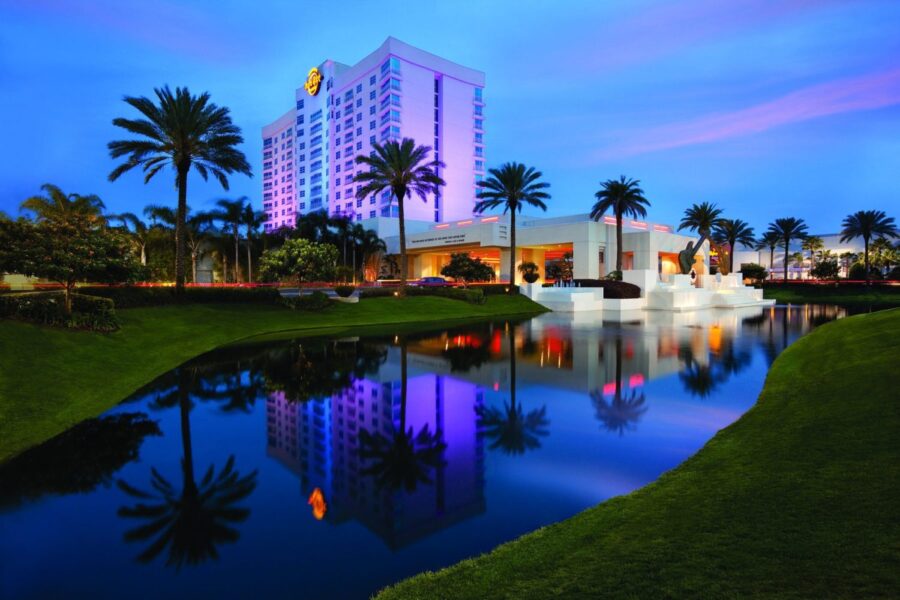
The Seminole Tribe of Florida has reportedly sued DraftKings, alleging the group runs illegal sports betting in the state through its prediction markets and its Pick6 fantasy product.
In a Thursday filing, the tribe lodged a 72-page complaint in Broward County Circuit Court naming DraftKings, its CEO Jason Robins and GUS III LLC, the legal entity behind DraftKings Predictions.

The tribe argues the DraftKings Sports & Casino app offers markets resembling sports wagering. It highlighted that its 2021 gaming compact grants it exclusive rights to online sports betting in Florida, with Hard Rock Bet the only authorized platform.
The complaint cites the Indian Gaming Regulatory Act, Florida gaming statutes, the Florida Deceptive and Unfair Trade Practices Act and unfair competition law, as well as a RICO claim against the company’s CEO.
The tribe is also seeking to ban DraftKings from offering or advertising sports wagering products in Florida.

A DraftKings spokesperson said the prediction markets operate under the federal Commodity Exchange Act framework, under the CFTC, and that Pick6 is a peer-to-peer fantasy sports variant rather than sports betting. The company indicated it has “deep respect for Seminole Tribe’s sovereignty” but remains confident in its legal position.

Dig Deeper
Related stories
 2025/11/06: Florida judge dismisses lawsuit challenging Seminole Tribe’s sports betting deal
 2025/02/05: Florida Gaming Control Commission sends out cease-and-desists to illegal online gaming operators
 2026/09/28: Florida targets big tech groups promoting illegal sweepstakes casinos
2025/06/25: Florida moves to dismiss lawsuit challenging Seminole Tribe’s claim to online sports betting
2026/09/28: Florida targets big tech groups promoting illegal sweepstakes casinos
2025/06/25: Florida moves to dismiss lawsuit challenging Seminole Tribe’s claim to online sports betting
2025/11/06: Florida judge dismisses lawsuit challenging Seminole Tribe’s sports betting deal
2025/02/05: Florida Gaming Control Commission sends out cease-and-desists to illegal online gaming operators
2026/09/28: Florida targets big tech groups promoting illegal sweepstakes casinos
2025/06/25: Florida moves to dismiss lawsuit challenging Seminole Tribe’s claim to online sports betting
The Backstory
Florida’s compact created a high-value monopoly
The Seminole Tribe of Florida’s lawsuit against DraftKings lands in a market shaped by one of the most consequential tribal gaming agreements in the U.S. The dispute is not only about whether a prediction market or fantasy product crosses a legal line. It is about who controls access to Florida’s sports betting customers, how far federal commodities law can reach into sports wagering and whether newer betting-adjacent products can operate around state gaming compacts.
Florida’s 2021 compact with the Seminole Tribe, negotiated by Gov. Ron DeSantis, gave the tribe the right to offer mobile sports betting statewide through servers located on tribal land. In return, the state secured a guarantee of at least $2.5 billion over the first five years, alongside authorization for additional casino games such as craps and roulette at tribal casinos. The agreement placed Hard Rock Bet, owned by the Seminole Tribe, at the center of Florida’s regulated online sports wagering system.
That exclusivity is the commercial foundation behind the tribe’s current claims. If products marketed as prediction contracts or peer-to-peer fantasy contests function like moneyline bets, spreads, totals, parlays or player props, the tribe argues they undermine the bargain struck with the state. DraftKings, by contrast, says its products sit within separate legal frameworks, including federal oversight for event contracts and fantasy sports rules. The clash turns a long-running compact fight into a broader test of product classification.
Legal challenges have repeatedly tested the Seminole deal
The compact has survived a series of attacks since it was signed, with opponents arguing that statewide mobile wagering stretches the meaning of tribal gaming and bypasses voter control over gambling expansion. A key state-level challenge came from Protect the Constitution LLC, which said the agreement violated a 2018 constitutional amendment giving Florida voters the exclusive right to authorize casino gambling, subject to an exception for gambling on tribal lands.
Florida moved to defeat that suit, arguing that the compact complied with the tribal gaming exception and that sports betting was not treated as “casino gambling” when the amendment passed. Attorney General James Uthmeier also said the plaintiff lacked standing and emphasized the financial benefits flowing to both the state and tribal communities. The state’s position was laid out when Florida sought dismissal of the lawsuit challenging the Seminole Tribe’s online sports betting rights.
That argument gained traction when Leon County Judge Jonathan Sjostrom dismissed the suit, finding that Protect the Constitution lacked standing while giving it time to file a revised complaint. The decision, covered in the dismissal of the Florida lawsuit challenging the Seminole sports betting deal, did not end all debate over the compact. But it reinforced the tribe’s position that its mobile betting operation rests on a legally durable foundation.
The current DraftKings case builds from that foundation. Having defended the compact from constitutional and administrative challenges, the Seminole Tribe is now seeking to protect the exclusivity it says the compact confers. The target is no longer the state or the compact’s approval process, but a commercial rival using newer product categories to reach Florida users.
Regulators have tightened pressure on unlicensed online gambling
Florida authorities have also moved aggressively against online gambling platforms outside the Seminole-controlled system. That enforcement climate matters because it helps frame the tribe’s argument that Florida has a closed, highly regulated market in which unauthorized online wagering is not permitted. The state has not pursued an open licensing model for sportsbook operators. Instead, regulators and prosecutors have focused on blocking offshore books, sweepstakes casinos and promotional channels that may steer users to illegal gaming.
The Florida Gaming Control Commission sent cease-and-desist letters to offshore bookmakers and casino sites accused of taking illegal wagers from residents. The targets included BetUS, Bovada and MyBookie. In reporting on Florida’s cease-and-desist letters to illegal online gaming operators, regulators emphasized that online gambling in the state is tightly limited and that Hard Rock Bet is the only legal online gambling website available to Floridians.
The attorney general’s office has extended that posture to sweepstakes and social casino operators. Uthmeier’s office asked major technology companies, including Google, Meta, Reddit, Snapchat and TikTok, to confirm they were not promoting illegal sweepstakes casino platforms in Florida. The letters referenced state lawsuits alleging that dual-currency social casino models amount to illegal gambling when virtual coins can be exchanged for real-world prizes. The move against advertising channels, detailed in Florida’s pressure campaign targeting big tech promotion of sweepstakes casinos, showed the state’s willingness to pursue not only operators but also the marketing ecosystem around them.
That context strengthens the stakes in the DraftKings case. If courts accept that prediction markets or fantasy products replicate sports betting, then Florida’s recent enforcement campaign could expand into a new category of sports-linked products. If DraftKings prevails, companies may have a clearer path to offer sports-event exposure in states where traditional sportsbooks lack licenses.
Hard Rock Bet’s expansion underscores the value at issue
The Seminole Tribe’s gaming business is not limited to Florida, but Florida is its strategic anchor. Hard Rock Bet competes in regulated markets such as New Jersey while maintaining a unique position at home. In New Jersey, it operates alongside other licensed online casino platforms and has expanded its content library through supplier partnerships. Its growth there, including a Gamecode deal that helped the platform reach more than 2,600 games, was detailed in Hard Rock Bet New Jersey’s expansion through a Gamecode partnership.
Florida is different. Online casino gaming remains limited, while online sports betting is channeled through Hard Rock Bet. That makes any competing sports wagering-style product especially sensitive. DraftKings is one of the best-known sportsbook brands in the U.S., with a large customer base and the technology to rapidly scale sports-linked products. Even if it is not offering a conventional sportsbook in Florida, the tribe’s complaint suggests the practical effect of its products matters more than the label.
The tribe’s position also reflects the long path Hard Rock Bet took to relaunch in Florida. The platform faced legal challenges from pari-mutuel interests before betting became available again in late 2023. The tribe later settled with West Flagler in 2024, a deal that included betting on jai alai. Each step increased the value of the compact by reducing uncertainty. A major national operator entering through prediction markets or fantasy contests would reopen that uncertainty from a different direction.
A national fight over product boundaries
The Florida lawsuit reflects a wider industry conflict over the line between gambling, fantasy sports and federally regulated event contracts. Prediction markets have attracted attention because they may be structured under the Commodity Exchange Act and supervised by the Commodity Futures Trading Commission rather than state gaming regulators. Sports-related contracts raise especially difficult questions because they can resemble wagers while being presented as financial instruments tied to event outcomes.
Fantasy sports products create a related issue. Operators often argue that peer-to-peer contests based on player performance are games of skill rather than sports betting. States have varied in how they regulate fantasy, and some have moved to restrict pick’em-style products that closely mirror proposition bets. The Seminole Tribe’s complaint appears to combine both fronts, alleging that DraftKings Predictions and Pick6 offer Florida users sports wagering in substance.
The case could therefore carry implications beyond Florida. A ruling for the tribe could bolster states and tribal operators seeking to block federally framed or fantasy-branded products that compete with licensed sports betting. A ruling for DraftKings could encourage operators to lean more heavily on prediction markets and fantasy formats, especially in states where online sports betting remains restricted or monopolized.
For Florida, the immediate issue is whether the exclusivity promised in the Seminole compact can withstand innovation by rival operators. The state has spent years defending a closed model that delivers guaranteed public revenue and recognizes tribal gaming rights. DraftKings is testing whether emerging product categories can coexist with that model. The answer may determine not only the scope of Florida’s sports betting market but also how the U.S. gambling industry adapts as legal definitions struggle to keep pace with product design.
