
Fanatics launches OpenBet compliance and protection tools in the US

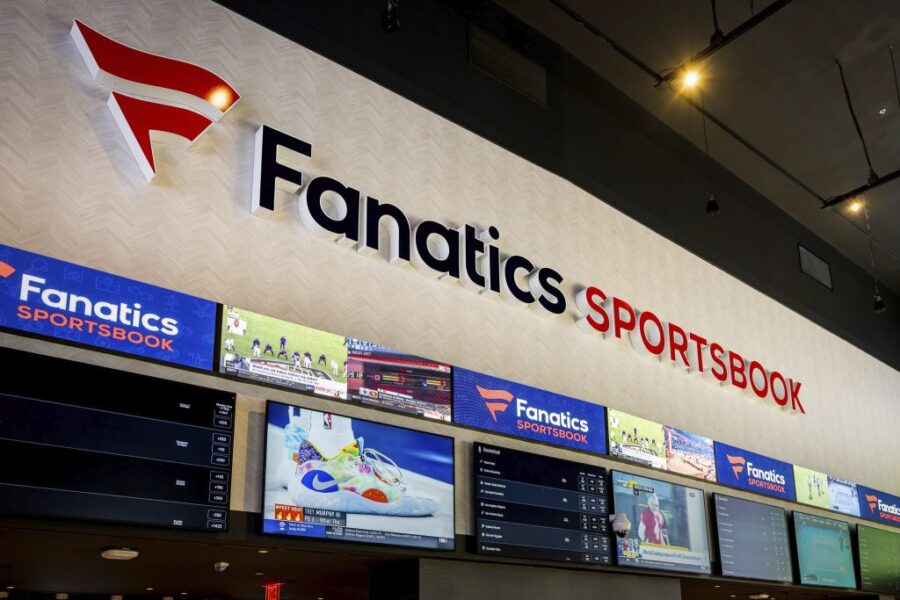
Sportsbook operator Fanatics has announced the launch of two major compliance and player-protection systems from technology company OpenBet.
The launch is part of a new partnership between the companies, which includes a fraud-prevention tool, OpenBet Locator, and an AI-led responsible gaming and anti-money laundering platform, Neccton.

The systems are now active across 23 US sports-betting markets, covering almost 95% of the country’s regulated online bettor base.
Fanatics says that it will use the tools to support geolocation verification, fraud detection, responsible gaming monitoring, and compliance reporting.
The OpenBet Locator system gives real-time location checks to ensure betting activity takes place within the boundaries of states where betting is legal. Neccton utilizes machine-learning models to analyze player behavior and transactions, enabling operators to identify at-risk customers and potential money laundering concerns earlier.
Speaking about the launch, Chief Executive of OpenBet, Jordan Levin, said, “This dual integration sets a new industry standard for responsible gaming, AML detection, and geolocation compliance. It demonstrates what’s possible when two technology-driven organizations align around a shared vision of trust, safety, and player experience.”
According to Fanatics, the rollout marks one of the most significant combined deployments of geolocation, responsible gaming, and anti-money laundering technologies by a US sportsbook.
This partnership comes as Fanatics recently entered into the prediction markets sector, launching in 24 states to offer trade contracts on sports, finance, culture, and politics.
Abi Bray brings strong researching skills to the forefront of all of her writing, whether it’s the newest slots, industry trends or the ever changing legislation across the U.S, Asia and Australia, she maintains a keen eye for detail and a passion for reporting.

Verticals:
Sectors:
Topics:
Dig Deeper
Related stories
 2025/07/07: Consumer protection law firms in California launch lawsuit against DFS operators
 2025/10/09: Ontario gambling regulator fines theScore CA$105,000 for player protection failures
 2025/04/08: Mobile gaming is here, with tools to address problem gambling
 2025/01/13: New Chief Compliance Officer appointed for the New Hampshire Lottery
2025/07/07: Consumer protection law firms in California launch lawsuit against DFS operators
2025/10/09: Ontario gambling regulator fines theScore CA$105,000 for player protection failures
2025/04/08: Mobile gaming is here, with tools to address problem gambling
2025/01/13: New Chief Compliance Officer appointed for the New Hampshire Lottery
The Backstory
Why the rollout matters now
Fanatics’ decision to deploy geolocation, anti-fraud and responsible gaming technology at scale lands at a moment when regulators and plaintiffs’ attorneys are pressing operators to prove their controls work in real time. The company’s integration of location verification alongside AI-led monitoring signals an attempt to preempt the next wave of scrutiny by showing that transaction patterns, player behavior and jurisdictional boundaries can be policed inside the product experience instead of after the fact. The stakes are clear: as the U.S. map fills in with new online wagering markets and adjacent products like prediction contracts, operators face a widening patchwork of rules and an appetite among authorities to test those rules through fines, license reviews and courtroom challenges.
The recent arc of enforcement and policy debates has shifted from headline expansion to execution risk. It is no longer enough to certify a geofence or post a helpline footer. Regulators are expecting operators to catch outliers, escalate interventions and document decisions with a rigor closer to financial services. Fanatics’ move reflects that direction of travel and the business reality that trust and speed must coexist in a mobile-first sportsbook.
California’s DFS flashpoint raises the compliance bar
Pressure is building on the West Coast, where California remains the biggest untapped sports betting market and a legal minefield for fantasy operators. A consortium of consumer protection firms filed class actions accusing leading daily fantasy brands of offering illegal sports betting in the state under the DFS label. The complaints, brought on behalf of residents who played these contests, seek monetary and injunctive relief and allege violations of the state penal code. The filings quickly intersected with policy when Attorney General Rob Bonta issued a formal opinion declaring the activities illegal in California.
That one-two punch — private litigation coupled with an attorney general opinion — elevates the compliance stakes for any operator with national ambitions. Even companies that do not offer DFS need to keep distance from products that could be construed as proxy wagering. The lawsuits name top brands and flag others under investigation, underscoring how product design and marketing language can pull a company into legal crosshairs. For operators emphasizing geolocation fidelity, risk scoring and enhanced monitoring, the California episode is a case study in why endpoint controls and marketing governance must align. The developments are detailed in class actions against FanDuel, DraftKings, PrizePicks and Underdog.
Ontario’s penalty shows how misses become money
North of the border, Ontario’s top gambling regulator delivered a six-figure reminder that responsible gaming gaps can quickly turn into headline fines. The Alcohol and Gaming Commission of Ontario cited online casino theScore for failing to meet player protection standards tied to one patron whose escalating losses, frequent bonus requests and reported distress should have prompted early intervention. The CA$105,000 penalty is small by global banking standards but meaningful in a market that prizes a safer alternative to offshore sites. The regulator emphasized that operators must proactively monitor play and intervene when risks are detected, not wait for self-assessments or rely on unverified income claims.
For U.S. operators, Ontario’s case offers a template for how regulators assess patterns, document red flags and judge a response. It also illustrates why machine learning tools that analyze player behavior across time can be decisive. When an operator can show it flagged unusual velocity, tightened limits and recorded outreach, it is better positioned to defend its program. The Ontario action against theScore, outlined in the AGCO’s CA$105,000 fine, signals that data-rich oversight is now the expectation.
Mobile growth brings new risks — and new tools
The convenience of placing a wager on a phone has reshaped the industry’s revenue curve, but it has also complicated harm prevention. Experts warn that the “intangibility” of digital money makes it easier for players to lose track of spending, especially when social influencers normalize wagering and college students treat sports bets as something other than gambling. The conversation is shifting from whether mobile betting will persist to how to meet it with interventions that mirror the sophistication of marketing.
During a recent industry panel, researchers and advocates urged operators to lean on proven technologies that can quantify risk without overpromising on nascent AI. That means leveraging historical data sets, behavioral triggers and targeted education aimed at groups that may not self-identify as gamblers. Products that offer space to cool off, track spend and nudge toward limits can help, but only if they are deployed comprehensively and backed by trained staff. The debate and its practical takeaways are explored in analysis of problem gambling in the mobile era.
Fanatics’ integration of tools for geolocation, AML detection and responsible gaming sits squarely in that evolution. The message to regulators and customers is that safeguards can be embedded in the same surfaces where promotions and live odds appear, and that alerts can translate into timely interventions instead of postmortems.
Expansion pressures: Missouri’s countdown
Compliance investments are also a hedge against the speed of market entries. As states open their doors, operators vie for limited licenses while regulators assess not only revenue potential but also operational maturity. In Missouri, Fanatics joined a crowded field applying for online and retail licenses ahead of a Dec. 1 market launch targeted by the regulator. The Missouri Gaming Commission can issue up to 19 retail and 14 online licenses and has set presentations for Aug. 13 with selections due Aug. 15 for untethered online permits.
Applicants are making their case amid public rulemaking and supplier approvals, highlighting the importance of geolocation vendors, labs and data providers in the ecosystem. With rivals including DraftKings, FanDuel, Circa Sports and Underdog in the hunt, operators are emphasizing their capacity to meet compliance requirements at scale from day one. The competitive dynamics and timeline are detailed in Fanatics’ Missouri license bid. Deploying robust monitoring and location tools across dozens of jurisdictions strengthens the argument that an operator can expand without sacrificing control.
Signals from statehouses and compliance desks
Regulatory expectations are also shaped by who sits on the other side of the table. In New Hampshire, the lottery appointed a new chief compliance officer with deep legal credentials, a move that underscores how state agencies are bolstering oversight as their games and vendor networks become more complex. The role includes reviewing and evaluating compliance across the legal landscape and advising on legislative issues, a reminder that licensure lives alongside scrutiny. The appointment of Cooley Arroyo, described in New Hampshire Lottery’s compliance leadership change, reflects a broader professionalization of enforcement that operators must anticipate.
The throughline across these developments is straightforward: mobile growth, legal ambiguity in some product categories and a rising standard for responsible gaming create both risk and opportunity. Companies that harden their tech stack to verify location, detect fraud and flag at-risk behavior early will be better placed to win licenses and weather enforcement. Those that treat compliance as an afterthought risk fines, lawsuits and reputational drag. Fanatics’ rollout of integrated safeguards fits the moment, not as a compliance box to check but as a competitive signal that the company intends to scale with control.

