


DraftKings and FanDuel PAC win Alabama primary victories

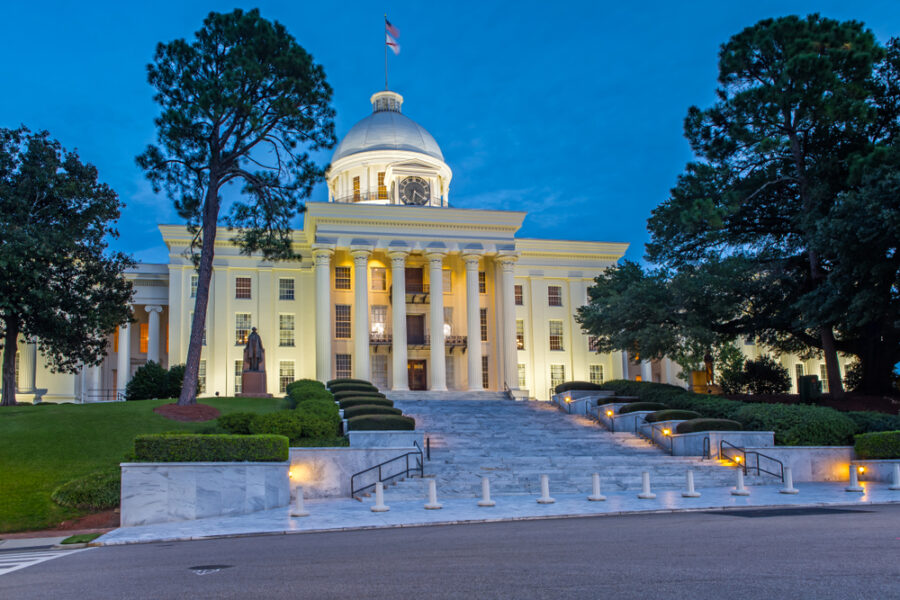
A political action committee backed by sports betting companies DraftKings and FanDuel secured a series of victories in Alabama’s Republican primary elections, according to Bloomberg.
The American Conservative Fund, a super PAC supported by the operators, spent more than US$9.3 million on Alabama primary races, backing 17 candidates. Twelve of those candidates won outright or held strong leads by the morning after voting.

The spending made the gambling-backed PAC the largest outside political spender in the state during the primary cycle, and the investment reflects a broader strategy by sports betting companies to influence state-level politics as efforts to expand legalized gambling continue.
An attempt to legalize sports betting in Alabama failed in 2024, but industry analysts estimate legalization could generate an additional US$283 million annually for gambling operators. Nationally, full legalization across all states could create more than US$15 billion in new revenue, according to projections from the Tax Foundation.
Not all races favored the industry, however. In one of the most expensive contests, former state legislator and gambling opponent Rusty Glover defeated Doug Harwell despite more than US$2.2 million spent to support Harwell’s campaign.

The spending campaign also drew criticism from conservative organizations in Alabama, with several groups calling for investigations into the funding and influence of gambling-related political action committees.
Sportsbook operators also have been backing pro-gambling candidates in other states, namely in Georgia, where more than US$10 million was spent.
Charlotte Capewell brings her passion for storytelling and expertise in writing, researching, and the gambling industry to every article she writes. Her specialties include the US gambling industry, regulator legislation, igaming, and more.

Dig Deeper
Related stories
 2025/04/24: EvenBet Gaming: Tackling Recruitment Challenges
 2026/05/15: Sports betting industry spends over US$10M backing Georgia pro-gambling candidates
 2026/06/16: Lobbying efforts underway in Washington, D.C. to legalize online gambling
 2025/04/01: Alabama state senator readying sports betting, lottery bill
2025/04/24: EvenBet Gaming: Tackling Recruitment Challenges
2026/05/15: Sports betting industry spends over US$10M backing Georgia pro-gambling candidates
2026/06/16: Lobbying efforts underway in Washington, D.C. to legalize online gambling
2025/04/01: Alabama state senator readying sports betting, lottery bill
The Backstory
Why this primary matters now
Sportsbook-backed political spending has been building toward moments like Alabama’s Republican primaries, where a super PAC supported by DraftKings and FanDuel helped candidates who could be friendlier to future gambling legislation. The industry’s playbook is clear: stack the field ahead of the next legislative push, even in tough markets where prior efforts failed. In Alabama, a legalization bid faltered in 2024, but operators and their allies kept investing, judging the long-term payoff to be worth the political risk. That calculus rests on potential state-by-state revenue, and the notion that momentum in one Southern state can influence others.
This is not an isolated strategy. Sports betting companies have tested similar approaches across the Southeast, including Georgia, while refining a broader federal and state advocacy structure that can sustain defeats, redirect cash and try again. Alabama’s results underscore that the industry can pick winners in conservative primaries, but also that resistance remains durable, as shown by prominent losses despite heavy spending. The outcome previewed the 2026 cycle’s stakes: control of committees, leadership votes and floor calendars that will determine whether expansion bills get hearings or die quietly.
External observers have tracked the Alabama maneuvering closely. Bloomberg reported that DraftKings- and FanDuel-backed candidates racked up multiple primary wins while the American Conservative Fund emerged as the biggest outside spender in the state’s primary season. The scale of that effort signals a willingness to absorb setbacks while constructing a bench for future sessions, a long game that echoes how other regulated industries build influence over time.
Bloomberg detailed the Alabama primary spending and results.
From state capitals to Washington
The push in Alabama is one node in a wider pivot that increasingly includes federal politics. Earlier this year, the owners of FanDuel, DraftKings and Fanatics seeded a new super PAC with a combined $41 million to shape policy at the national level, even as they continue funding state efforts. That group, Win for America, has already routed tens of millions to other committees active in state and federal races, a sign that the industry wants a coordinated strategy across jurisdictions as tax, advertising and enforcement debates sharpen.
The money is aimed at more than sports betting expansion. Operators are lobbying around tax treatment of gambling losses and the emerging frontier of online prediction markets tied to event outcomes. These platforms blur lines between wagering and financial contracts, a regulatory gray zone that could redefine what counts as betting — and who gets to offer it. The federal footprint, including oversight from agencies like the Commodity Futures Trading Commission, now sits alongside state gaming commissions in determining where the market goes next.
Sportsbook operators’ $41 million super PAC signals a higher-stakes federal play.
Regulatory friction builds
While operators spend heavily to open new markets, they are navigating intensifying scrutiny over consumer protection. In Connecticut, regulators documented more than 200 alleged cases of underage betting over a 12-month period, often involving children using parents’ DraftKings or FanDuel accounts. That spurred lawmakers to tighten penalties on adults who enable minors and to consider raising the minimum age for prediction markets to 21, reflecting concerns that novel products could draw in younger users faster than rules can adapt.
The policymaking response in Connecticut exemplifies a broader pattern: as sports betting normalizes, enforcement and age-gating become flashpoints. That dynamic could slow legislative enthusiasm in states weighing expansion, especially if high-profile incidents dominate headlines during sessions. For operators, the operational cost of compliance is rising in step with market opportunity, and missteps risk handing ammunition to opponents in close votes.
Connecticut’s findings on minors using sportsbook accounts added pressure on operators. Lawmakers have also advanced related measures; see the Connecticut General Assembly bill status page for legislative activity tied to gambling-age and market rules.
Courtrooms set the guardrails
Legal battles continue to shape the competitive field and product scope. In New Jersey, a case testing whether event contracts on a prediction market count as financial swaps rather than sports wagers could redraw the market’s perimeter. An analyst note from Jefferies suggested the court appeared sympathetic to arguments that some sports-related markets might qualify as swaps under federal law, while signaling possible limits on player props. For incumbents like FanDuel and DraftKings, any clear resolution is preferable to prolonged uncertainty, which muddles marketing, product development and compliance planning.
If judges erect guardrails that keep certain products within financial-market regulation and push others back under state gaming law, operators will face a patchwork that rewards scale and legal agility. Outcome aside, a definitive reading would likely stabilize investor expectations and harden barriers to entry for smaller “disruptor” platforms that bank on regulatory ambiguity.
Analyst: New Jersey trial could produce a practical win for major sportsbooks.
Litigation over marketing and harm
Separately, consumer-protection lawsuits are testing how sportsbooks market promotions and interact with high-risk users. In Baltimore, city officials sued DraftKings and FanDuel, alleging predatory practices that exploit vulnerable bettors through targeted offers and “bonus” incentives. The companies removed the case to federal court, arguing jurisdiction and monetary thresholds warrant the shift. That procedural move, common in corporate defense, could slow proceedings and set up a broader fight over how local ordinances intersect with state and federal regulatory regimes.
The outcome will resonate beyond Maryland. If courts endorse expansive theories of harm tied to data-driven promotions, operators could face tighter advertising standards, higher compliance costs and greater exposure to municipal enforcement. Conversely, if judges limit local authority or emphasize existing state oversight, it could blunt similar suits elsewhere — and influence how lawmakers draft new consumer protections.
Baltimore’s lawsuit alleged exploitative targeting of vulnerable gamblers and was subsequently removed to federal court.
The stakes for the next session
The Alabama primaries crystallize the two-front reality for U.S. sports betting: win enough allies in statehouses to keep legalization moving, while bracing for a tougher regulatory and legal environment as the market matures. Money is flowing upstream to Washington to influence tax and product definitions, even as cities and states tighten rules on advertising and access. Court decisions on prediction markets will either narrow or broaden the competitive moat for incumbents, while municipal litigation tests how aggressive local enforcement can be.
For operators, the path ahead is less about a single legislative victory and more about navigating a complex grid of politics, law and public health concerns. The Alabama results suggest political capital is accumulating where it counts. Whether that translates into durable policy wins will depend on how the industry manages mounting scrutiny — and how quickly it can convert primary-night gains into votes when the next gambling bills hit the floor.
