
Connecticut orders prediction markets to stop offering sports contracts

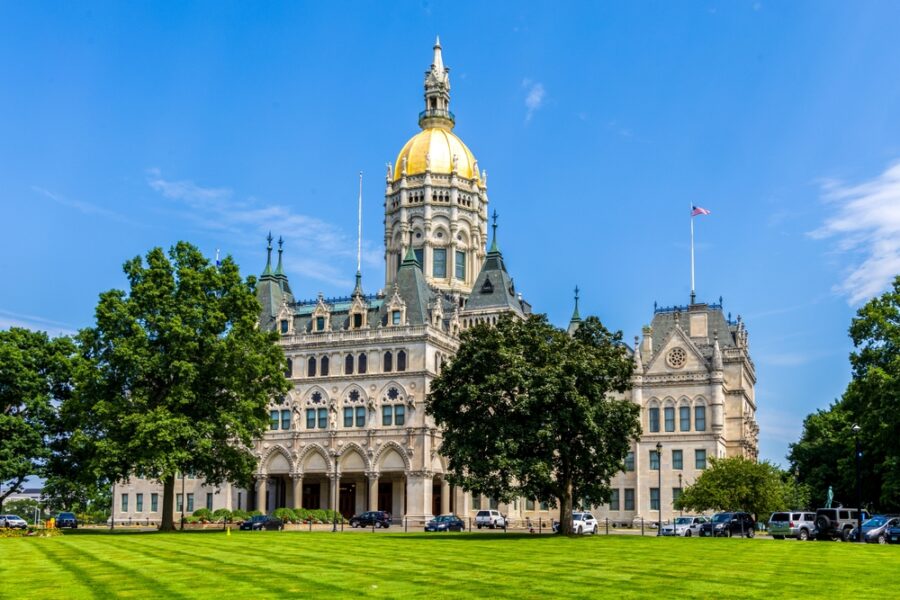
The Connecticut Department of Consumer Protection has ordered prediction market platforms Kalshi, Robinhood, and Crypto.com to stop offering sports event contracts to users in Connecticut, labeling these offerings illegal, unlicensed online gambling.
The move is one among many in which states are cracking down on sports prediction market platforms.

Massachusetts has filed a lawsuit in state court against Kalshi, while similar actions have been taken by tribes in Arizona, Illinois, Maryland, Montana, Nevada, New Jersey, Ohio, and New York.
In a statement, the Connecticut Department of Consumer Protection Gaming Division announced it had issued cease-and-desist letters to Kalshi, Robinhood, and Crypto.com. It also noted that failure to follow these orders could lead to criminal charges being filed against the platforms.
Commissioner of the Department Bryan Cafferelli said, “None of these entities possess a license to offer wagering in our state, and even if they did, their contracts violate numerous other state laws and policies, including offering wagers to individuals under the age of 21.”
Aside from licensing, the platforms also flagged serious consumer safety concerns.
The department said, as these platforms are unregulated, they lack proper safeguards to prevent insider wagering or other abuses, do not guarantee fair payout settlements, and operate without oversight, which could place users’ money and personal data at risk.
Charlotte Capewell brings her passion for storytelling and expertise in writing, researching, and the gambling industry to every article she writes. Her specialties include the US gambling industry, regulator legislation, igaming, and more.

Verticals:
Sectors:
Topics:
Dig Deeper
Related stories
 2025/12/01: Kalshi refuses to stop Nevada operations despite judges’ orders
2025/01/23: Prediction market Kalshi launches event contracts on sports
2025/10/21: California’s tribal gaming leaders target prediction market apps
2025/04/08: Commodity traders ordered to cease offering sports events contracts in Maryland
2025/12/01: Kalshi refuses to stop Nevada operations despite judges’ orders
2025/01/23: Prediction market Kalshi launches event contracts on sports
2025/10/21: California’s tribal gaming leaders target prediction market apps
2025/04/08: Commodity traders ordered to cease offering sports events contracts in Maryland
 2025/12/01: Kalshi refuses to stop Nevada operations despite judges’ orders
 2025/01/23: Prediction market Kalshi launches event contracts on sports
 2025/10/21: California’s tribal gaming leaders target prediction market apps
 2025/04/08: Commodity traders ordered to cease offering sports events contracts in Maryland
The Backstory
Why Connecticut’s move matters now
Connecticut’s cease-and-desist orders against Kalshi, Robinhood and Crypto.com are the latest in a widening clash over whether sports-themed event contracts belong under commodities rules or state gambling law. The directive follows months of confrontations in other jurisdictions where prediction market platforms pushed into sports outcomes while arguing their contracts are financial instruments, not wagers.
The shift began accelerating after Kalshi expanded beyond macro and political events to launch “will a team win” products tied to championships and season outcomes. The firm took its first sports listings live Jan. 23, positioning them as regulated event contracts on a federally supervised exchange. That rollout, detailed in Kalshi launches event contracts on sports, set up the current conflict with state regulators who say sports is their domain. Crypto.com tested similar offerings and kept them live even after federal staff asked the company to pull them during a review, a stance that previewed the confrontations to come at the state level.
Connecticut’s enforcement language mirrors concerns heard elsewhere: lack of a state betting license, insufficient consumer safeguards, potential underage access, and the risk of insider advantages and opaque settlements. The department underscored those points with formal notices to each company, including posted orders against Kalshi, Robinhood and Crypto.com.
Nevada became a flashpoint
Nevada provided an early test of how gaming regulators would treat the new contracts. The state’s control board first sought to halt sports-event products. Kalshi sued and won a preliminary injunction that let it keep operations live while the dispute proceeded. That relief was later dissolved, but Kalshi kept listing contracts anyway and asked for a stay pending appeal.
As the legal posture shifted, Robinhood and Crypto.com agreed to pause in the state, a notable split among the platforms. The Las Vegas Review-Journal reported the standoff in detail, with regulators calling Kalshi’s approach noncompliant after the ruling. See Kalshi refuses to stop Nevada operations despite judges’ orders, which cites the Review-Journal’s account of the case. The outcome in Nevada did not settle the core question of jurisdiction, but it signaled how gaming watchdogs will act when they believe sports outcomes cross into betting.
Maryland draws a clear line
Maryland moved quickly to align sports-event contracts with licensed sports wagering. The state’s lottery and gaming commission sent cease-and-desist letters to KalshiEX, Robinhood Derivatives and North American Derivatives Exchange, which operates as Crypto.com for these products, stating the offerings were legally indistinguishable from betting. Officials emphasized that only licensed operators can take sports wagers and must verify age and location, comply with know-your-customer requirements and pay taxes.
The state laid out the stakes in revenue terms as well, pointing to the 15% tax that sportsbooks pay to the Blueprint for Maryland’s Future Fund. Since sports betting launched in December 2021, those contributions have neared $150 million, a pool that event-contract firms do not pay into. Read more in Commodity traders ordered to cease offering sports events contracts in Maryland.
Kalshi countered by suing Maryland’s regulator, arguing federal law preempts the state on derivatives traded on designated exchanges and that its sports contracts are peer-to-peer swaps under the Commodity Futures Trading Commission. The complaint seeks preliminary and permanent injunctions and declaratory relief, making Maryland a key venue for the federal-versus-state battle lines. Details are in Prediction markets platform Kalshi files lawsuit in Maryland.
California tribes escalate the sovereignty fight
In California, the pushback has centered on tribal rights and control over wagering. Tribal leaders say prediction market apps pose a more acute threat than daily fantasy sports because they target the core of sports betting without state or tribal authorization. Three tribes filed a federal lawsuit against Robinhood and Kalshi, alleging unauthorized betting on tribal lands and seeking to block operations and recover damages.
Tribal leaders have highlighted both the sovereignty issue and the practical erosion of their regulated, revenue-sharing gaming model. The case adds a new dimension to the policy debate, which has often focused on consumer protection and tax collection in other states. For a deeper look at tribal concerns and the legal effort, see California’s tribal gaming leaders target prediction market apps.
The products at the center of the dispute
Event contracts, as structured by Kalshi and rivals, allow users to buy and sell outcomes that settle at a fixed value if an event happens. Sports listings typically take a “will a team win a title” format. Proponents say the instruments resemble futures, with prices reflecting probabilities set by market participants. Critics say that when tied to game results, the contracts are functionally sports bets offered without gambling licenses, onsite oversight or consumer protections.
Kalshi’s expansion into sports followed its high-profile fight to list election markets, which the firm says were ultimately approved and, it argues, delivered more accurate forecasts than some polling during 2024. That experience informed the company’s view that federal commodities rules can accommodate broader event trading. See the product context in Prediction market Kalshi launches event contracts on sports.
Regulators counter that sports are a settled province of state law. In several states, officials have warned that unlicensed offerings lack responsible gambling controls, reliable settlement frameworks and recourse for customers in disputes, and they deprive public funds of wagering tax revenue. Connecticut’s action, supported by posted orders against Kalshi, Robinhood and Crypto.com, underscores how fast that view is hardening.
What’s next for the legal fight
The path forward runs through multiple courts and commissions. Nevada’s case shows regulators will act without waiting for federal clarity, and Maryland’s suit could produce an early ruling on preemption. California’s tribal litigation injects sovereignty claims that differ from state tax and licensing arguments elsewhere.
Platform decisions may diverge by state, as seen when Robinhood and Crypto.com paused Nevada operations but Kalshi pressed on. If appellate courts endorse state authority over sports outcomes, firms may confine event contracts to non-sports categories or seek tailored legislation. If courts side with the exchanges, states may have to redraw boundaries between gambling and commodities oversight.
For now, Connecticut’s orders add pressure. Each new action narrows where sports-event contracts can operate without a license, increases legal risk for platforms and sets up a broader test of who regulates the edge cases at the border of finance and gambling.


