
Caesars Sportsbook expands Super Bowl LX prop betting menu

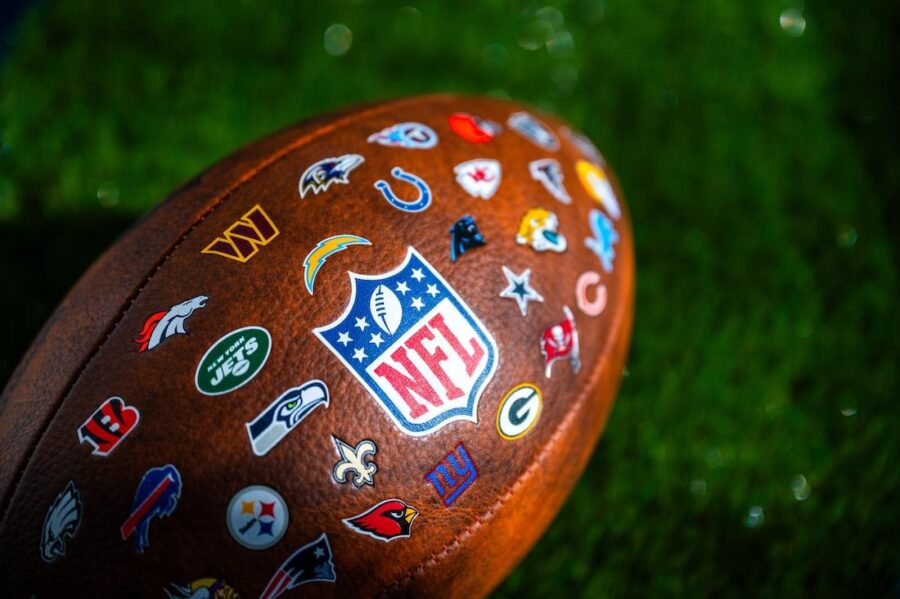
Caesars Sportsbook is rolling out what it described as its biggest Super Bowl Prop Betting menu to date, just in time for Super Bowl LX.
The betting operator, which is currently licensed in 22 states, will offer thousands of props across player, team, game, and novelty categories, alongside deep statistical markets and analysis, and creative specialty bets. It will also provide regular updates leading up to Super Bowl Sunday.

With the AFC and NFC division championships complete, Super Bowl LX is scheduled to take place on February 8.
A report released by the US gambling industry trade body, the American Gaming Association, says that Americans are expected to legally wager a record US$1.76 billion on the event.
Craig Mucklow, Vice President of Trading at Caesars Sportsbook, said, “Our Super Bowl LX Prop Betting Menu reflects where today’s bettors are heading. It’s our most comprehensive and diverse offering ever, built with the scale and creativity fans expect for the Super Bowl, plus a mobile experience that helps bettors quickly find the wagers they want.”

This announcement comes after the NFL stated its intent to increase the rules surrounding player-based prop bets back in November last year.

Verticals:
Sectors:
Topics:
Dig Deeper
Related stories
 2025/02/11: States that have enforced against offshore operators see greater sportsbook engagement during Super Bowl
 2025/02/07: H2 Gambling Capital predicts Super Bowl LIX will generate US$1.6 billion handle
 2025/03/06: Caesars Sportsbook to integrate IC360 ProhiBet
 2025/02/04: Robinhood launches event contracts ahead of Super Bowl
2025/02/11: States that have enforced against offshore operators see greater sportsbook engagement during Super Bowl
2025/02/07: H2 Gambling Capital predicts Super Bowl LIX will generate US$1.6 billion handle
2025/03/06: Caesars Sportsbook to integrate IC360 ProhiBet
2025/02/04: Robinhood launches event contracts ahead of Super Bowl
The Backstory
Setting the stage for a prop-heavy Super Bowl
Prop betting has moved from sideshow to centerpiece for the biggest game in American sports. As operators chase engagement ahead of Super Bowl LX on Feb. 8, the market backdrop favors deeper menus and faster updates. Legal sportsbooks are entering another year of expansion, enforcement against offshore competitors is accelerating, and regulators are sharpening their focus on integrity and consumer protections. That mix is pushing operators to scale up offerings while tightening controls, a dual track that defines this Super Bowl cycle.
Ahead of kickoff, data firms and bookmakers expect fresh highs on volume. The shift is not just about more bets, but more kinds of bets: player performance, drive outcomes, micro-markets and novelty props calibrated to mobile browsing. The business case is straightforward. Props keep users in apps longer, diversify risk and differentiate sportsbooks in crowded states. But the surge also invites scrutiny over how these bets influence fan behavior, athlete safety and the line between trading and gambling.
These tensions help explain why operators are touting breadth on the front end and compliance upgrades on the back end, a pattern that has defined the run-up to this year’s championship.
Enforcement helps funnel bettors to regulated books
Recent state actions against offshore sportsbooks appear to be paying dividends for licensed operators around the Super Bowl window. Geolocation and compliance provider GeoComply reported that states taking enforcement steps saw a notably stronger lift in legal-book activity versus peers, with a 14% year-over-year increase in active player accounts across its sportsbook clients and 724,400 new accounts in regulated markets. The growth rate doubled in jurisdictions that issued cease-and-desist orders to illegal operators, according to GeoComply’s Super Bowl analysis.
Seventeen states have moved against at least one offshore brand since last year’s game. The takeaway is clear: consumers gravitate to legal books when regulators signal consequences for illegal rivals and when operators deliver better experiences. For Super Bowl LIX, BetMGM called the game its single biggest betting event to date, with the Philadelphia Eagles beating the Kansas City Chiefs 40-22. Caesars cited underdog trends and an MVP payout on Jalen Hurts that shaped results for bettors and the house. Momentum like that is setting up another surge in engagement for Super Bowl LX, especially in states now more active on enforcement.
Handle forecasts point to another record
Industry forecasts anticipate a fresh high-water mark for Super Bowl wagering, underscoring why operators are investing in expansive prop markets. H2 Gambling Capital projects more than $1.6 billion in legal handle across U.S. sportsbooks for this year’s championship, a 17% increase from last year’s estimates and a signal that fan appetite is still widening despite a tougher macro environment. New York is expected to lead all states at roughly $181 million in wagers, according to H2’s Super Bowl outlook.
New Orleans hosting again adds familiar scale to the event, but the growth story hinges on digital behavior. Mobile-first bettors scan, sort and stack props at a volume that would have been unthinkable even five years ago. Real-time odds, micro-stats and single-game parlays are now core to how casual fans interact with the game. The result is a higher ceiling for handle and hold—so long as operators maintain speed, reliability and clear guardrails.
Integrity tech becomes table stakes
The prop boom has a compliance counterpart. Operators are tightening identity checks and monitoring to keep prohibited bettors off platforms and to spot suspicious activity more quickly. Caesars’ recent move to integrate IC360’s ProhiBet shows how the industry is leaning into third-party tools that encrypt and cross-reference data to flag banned participants and unusual betting patterns. The goal is a “safe and fair environment” that stays ahead of state rules, as detailed in the ProhiBet integration announcement.
Colleges and conferences are also stepping up integrity work. IC360’s partnerships now include the Southland Conference, which is adding a monitoring dashboard and athlete education on gambling risks. For sportsbooks, these alliances help meet regulator expectations while preserving the flexibility to expand markets—especially around player props, which draw interest but also elevate risk if not tightly policed.
Trading vs. betting: new routes to the same moment
The Super Bowl’s gravitational pull extends beyond traditional sportsbooks. Robinhood’s launch of Pro Football Championship event contracts offers a parallel path for users to express views on the game’s outcome in all 50 states, even where online sports betting is not legal. Event contracts allow customers to buy or sell a binary outcome—akin to prediction markets—which Robinhood first popularized for the 2024 presidential election. The firm’s entry into sports event contracts highlights the blurred boundary between trading and wagering that regulators and consumer advocates are watching closely.
For sportsbooks, the competitive takeaway is twofold. First, user experience and price discovery matter more than ever; bettors expect intuitive navigation and instant market updates. Second, product innovation is no longer the domain of bookmakers alone. Fintech platforms can capture game-linked attention in adjacent formats, which may pressure sportsbooks to expand cross-vertical features without compromising compliance.
College athletes drive a new line on prop limits
As prop markets grow, so do concerns about harassment of athletes and the incentives that negative props create for bad behavior. The NCAA extended its data partnership with Genius Sports with a fresh condition barring betting on negative player props as a prerequisite for data access. NCAA President Charlie Baker framed the move as a response to online abuse trends and betting pressure on young athletes. The shift comes amid a rise in offensive posts targeting college players and a survey showing more than half of students aged 18 to 22 have bet on sports. Details are outlined in the NCAA’s prop-bet protections.
Many states already restrict college props, but enforcement and platform design remain uneven. For operators, the takeaway is to balance fan demand for player-centric markets in professional sports with robust safeguards—and to draw clear lines where the risks to athletes outweigh the entertainment value. Expect continued pressure on sportsbooks to tailor menus by jurisdiction and sport, with heightened transparency around how markets are vetted.
Taken together, these threads—state enforcement gains, record-handle expectations, integrity upgrades, fintech adjacency and college-sports limits—explain why this Super Bowl is set to be both bigger and more regulated. The commercial upside of expansive prop menus is clear. So are the obligations that come with it.

