


Caesars partners with three Maine tribes for iGaming

It’s rare to find a partnership between commercial and tribal operators. But on Wednesday, Caesars Entertainment announced the expansion of an existing partnership with three Wabanaki Nations.
The Houlton Band of Maliseet Indians, the Mi’kmaq Nation and the Penobscot Nation will partner with Caesars to feature iGaming in Maine. The long-term agreement positions Caesars and its tribal partners for a potential iGaming launch in the state this year, pending regulatory approvals.

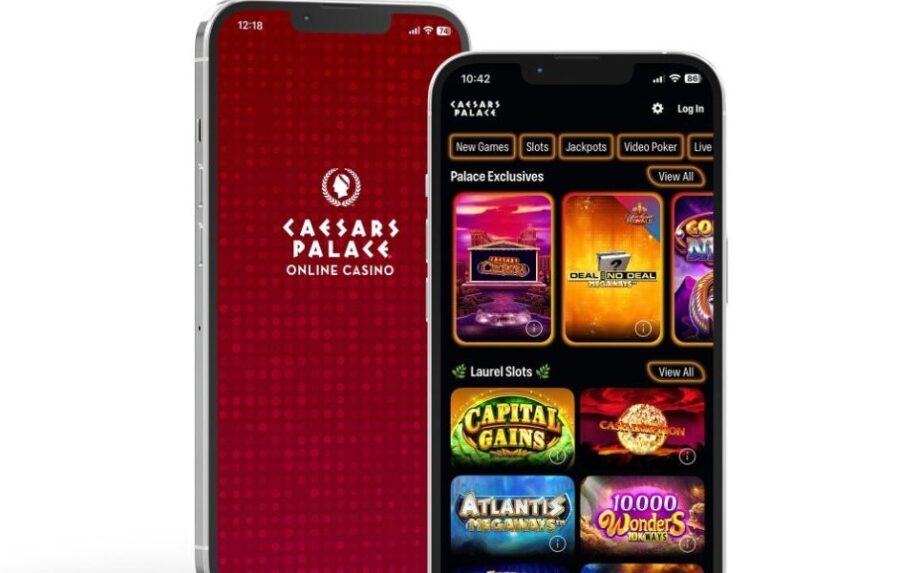
Under the expanded agreement, Caesars plans to bring a portfolio of three online casino brands to Maine: Caesars Palace Online Casino, Caesars Sportsbook & Casino, and Horseshoe Online Casino. Each brand offers a distinct digital experience tailored to different player interests.
“As we look ahead to the launch of online casino gaming in Maine, we’re proud to expand our partnership with the Houlton Band of Maliseet Indians, the Mi’kmaq Nation and the Penobscot Nation,” Caesars Digital President Eric Hession said in a statement. “Together, we’ve built a strong and responsible sports wagering experience, and this next phase reinforces our commitment to our tribal partners and to delivering a differentiated, localized digital gaming experience for Mainers. We’re grateful to Governor Janet Mills, the Maine Legislature and the Maine Gambling Control Unit for their continued leadership and thoughtful approach to gaming in the state.”
The expanded partnership builds on the successful launch of Caesars Sportsbook in Maine in 2023 and reflects a shared commitment between Caesars and the three Wabanaki Nations to deliver a responsible digital gaming experience while supporting tribal communities across the state. Caesars will invest in local workforce development by employing, training and developing members of each nation, and will provide financial support to help pay for tribal community programs and initiatives.

“Penobscot Nation is proud to continue and expand our partnership with Caesars as we look toward the future of online gaming in Maine,” said Penobscot Nation Chief Kirk Francis. “Our experience working together on sports wagering has demonstrated the value of aligning with a partner that respects our sovereignty, understands our communities and is committed to long-term success for the Wabanaki Nations. This next phase represents a meaningful opportunity to build on that foundation.”
Caesars’ online casino platforms will bring a “premier” digital entertainment experience to Maine, combining an expansive portfolio of slot titles, table games and live dealer offerings. Each brand is tailored to meet different player preferences while upholding Caesars’ standards for quality and responsible gaming. The platforms in Maine will integrate with Caesars Sportsbook and feature a single login and wallet experience, powered by Caesars’ Universal Digital Wallet, enabling seamless play across Caesars’ digital offerings.
“The Mi’kmaq Nation values the strong relationship we have built with Caesars and our fellow Wabanaki partners,” said Mi’kmaq Nation Chief Sheila McCormack. “Expanding into online casino gaming allows us to continue creating economic opportunities for our people while ensuring that any future platform is developed in a responsible, well-regulated manner that benefits the tribes and the state.”

Integrated with Caesars Rewards, the company’s loyalty program, eligible play will unlock reward credits that can be redeemed for experiences across Caesars’ destinations nationwide, including stays, dining, entertainment and more.
“The Houlton Band of Maliseet Indians is pleased to deepen our partnership with Caesars as we prepare for the next chapter of gaming in Maine,” said Houlton Band of Maliseet Indians Chief Clarissa Sabattis. “This long-term agreement reflects our shared commitment to strengthening Maine’s rural communities and is vital to the Houlton Band’s self-determination and economic self-sufficiency. Internet gaming revenues will provide our tribal government with a more secure, long-term source of revenue that will help us provide essential services and make critical investments in community infrastructure.”

Dig Deeper
Related stories

The Backstory
A tribal-only market moves from lawmaking to launch planning
Caesars Entertainment’s expanded agreement with three Wabanaki Nations is the first major commercial signal that Maine’s newly legalized online casino market is moving from political approval toward implementation. The deal gives the Houlton Band of Maliseet Indians, the Mi’kmaq Nation and the Penobscot Nation a ready platform partner as the state prepares rules for internet casino gaming, subject to regulatory approval.
The arrangement did not emerge in isolation. It follows Maine’s decision to give the Wabanaki Nations exclusive rights to operate online casino platforms, a policy shift that could make the state the eighth in the U.S. to authorize online casino wagering. Under the law, each federally recognized tribe may operate one platform, mirroring the structure Maine used when it launched online sports betting. The Passamaquoddy Tribe also holds rights under the framework, though the Caesars announcement covers the other three nations.
For Caesars, the agreement extends a relationship that began with online sports betting in Maine in 2023. For the tribes, it is a route to digital gambling revenue without building a full technology stack alone. The stakes are broader than market access: The Wabanaki Nations have framed online gaming as a vehicle for economic sovereignty, tribal services and long-term infrastructure investment.
Mills’ decision ended one fight and triggered another
The legal opening came when Gov. Janet Mills allowed LD 1164 to become law after earlier resistance from her administration. The measure had passed the Legislature, then faced a politically charged waiting period as opponents urged a veto. Mills’ decision followed meetings with tribal leaders and reflected an argument that online casino revenue could materially strengthen tribal governments.
That outcome was a substantial win for the Wabanaki Nations, which have long sought greater control over economic development. As Inside Asian Gaming reported on the Wabanaki Nations securing exclusive igaming rights in Maine, the law positions the tribes as the only eligible operators in a market that will otherwise remain closed to the state’s commercial casinos.
The exclusivity was central to the bill’s appeal to tribal governments but also the source of its most immediate legal vulnerability. Maine’s two commercial casinos, Oxford Casino and Hollywood Casino, had opposed the measure, warning that online casino gaming could divert customers and revenue from their properties. Their concerns were not limited to competitive pressure. Opponents also argued that the framework treated similarly situated gambling businesses differently by reserving licenses for tribes.
Commercial casinos press a constitutional challenge
That dispute quickly moved from the State House to the courts. Oxford Casino sued the Maine Gambling Control Unit, arguing that the new igaming structure unlawfully creates a tribal monopoly and violates equal protection provisions in the U.S. and Maine constitutions. The casino said it has invested heavily in Maine and could lose millions in revenue if online casino games are introduced under a system that excludes commercial licensees.
The case, described in Inside Asian Gaming’s coverage of Oxford Casino’s lawsuit over Maine’s igaming law, underscores a recurring tension in U.S. gambling policy: whether digital expansion should protect existing casino operators, prioritize tribal sovereignty or try to accommodate both. In Maine, lawmakers chose a model that gives tribes the same digital priority they received in sports wagering, rather than opening a broader commercial licensing process.
The lawsuit could complicate the timing of launch even as operators prepare. The law is set to take effect after the standard post-adjournment period, but regulatory approvals, technical reviews and litigation risk can all affect when consumers see live casino apps. Caesars’ deal signals confidence that the market will proceed, yet a court challenge adds uncertainty for investors, vendors and tribal governments counting on new revenue.
Public opposition gave casinos and advocates leverage
Political resistance also came from outside the casino industry. The National Association Against iGaming released polling that said 64% of Maine residents opposed legalizing online casino games and that nearly half were strongly opposed. The group, which includes land-based gambling interests, argued that legalization would make Maine an outlier in New England and expose families to a more accessible form of gambling.
The poll, covered in Inside Asian Gaming’s report on Maine residents’ opposition to igaming legalization, focused on concerns about underage access, app-based gambling and political risk for lawmakers. It said 51% of voters would be less likely to support a lawmaker who voted for legalization. Those figures became part of the final pressure campaign before Mills’ decision.
Supporters of the law counter that regulated platforms offer stronger safeguards than offshore or gray-market sites and that tribal control creates a direct public-policy benefit by funding governments rather than simply expanding private gambling profits. The tension between consumer protection and economic development is likely to shape Maine’s rulemaking. Age verification, responsible-gambling tools, advertising limits and funding for problem-gambling services will be closely watched as regulators build the operating framework.
National operators are positioning around scarce licenses
Maine’s structure makes each tribal partnership especially valuable. Unlike larger online casino states, where multiple commercial operators compete for licenses, Maine will have no more than four platforms. That scarcity raises the value of early tribal agreements and gives technology partners a narrow path to entry.
Caesars is not alone in seeing the U.S. online casino market as a strategic priority. Content and platform suppliers continue to deepen relationships in the largest legal states, including New Jersey, Pennsylvania and Michigan. In one example, Bragg Gaming partnered with Fanatics Casino to launch content in three states, highlighting how suppliers are using existing igaming jurisdictions to scale game distribution and prepare for future state openings.
Those mature markets matter for Maine because they set consumer expectations. Players are accustomed to integrated wallets, loyalty rewards, live dealer games and broad slot libraries. Caesars’ plan to bring multiple digital brands and a single-wallet experience reflects that competitive standard, even in a small state. The company can also connect online play to Caesars Rewards, giving it a national loyalty advantage that smaller vendors may struggle to match.
Sweepstakes debates add pressure to define legal gambling
Maine’s move toward regulated igaming comes as states are also scrutinizing sweepstakes-style online casinos. Lawmakers introduced a bill last year to ban sweepstakes casinos using dual-currency systems, part of a broader national debate over whether such products mimic gambling while operating outside casino licensing rules. The issue matters because regulated operators and tribes argue that gray-market games can undermine consumer protections and reduce revenue available to legal licensees.
California shows how contentious that debate has become. Some tribes there have opposed an anti-sweepstakes measure, arguing that a ban could cut off economic opportunities for smaller or more isolated tribal nations. As Inside Asian Gaming reported on California tribes protesting Assembly Bill 831, opponents said criminal penalties and restrictions could infringe on tribal interests and eliminate more than $1 billion in economic activity tied to the sector. The bill text is available through the California Legislature at AB 831.
For Maine, the lesson is that legalization does not end gambling policy disputes; it redirects them. Regulators must now determine how tribal online casinos will operate, how illegal or unlicensed competitors will be treated and how to balance revenue goals with public-health concerns. Caesars’ partnership with three Wabanaki Nations gives the market a leading operator and a clear commercial path. Whether that path stays smooth will depend on court rulings, rulemaking and the state’s ability to defend a model built around tribal exclusivity.
