


Bolivia considers using USDT as official payment; aiming to regulate igaming

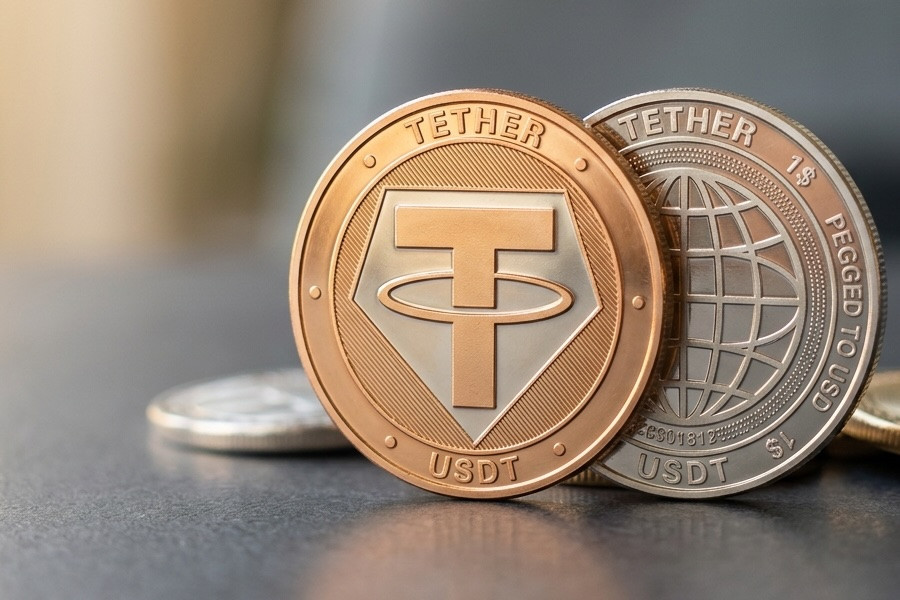
Bolivia is reportedly considering using the Tether (USDT) stablecoin as a method of payment in the country, as the South American nation remains on the Financial Action Task Force (FATF) grey list but also pushes to shift online gaming into the regulated sector.
Statements from Bolivia’s Minister of Economy, José Gabriel Espinoza Yáñez, prompted an article by local publication La Razón, based on a briefing in which the official noted that the government was “working on regulations to govern” the use of crypto/stablecoins and “how to use them properly.”

While Bolivia had previously implemented a block on crypto transactions, it removed it in 2024 – with the nation recording billions in crypto transactions since then.
The potential interest in USDT by the nation even caused Tether CEO Paolo Ardoino to note that the stablecoin “is more and more used as a cornerstone within several emerging markets economies,” according to reports.
USDT is the leading stablecoin by market cap, at slightly over US$184 billion. However, unlike other types of crypto it does not have a fixed supply, with Tether able to issue new tokens or burn them to keep the total supply fluctuating at peg to the US Dollar.

It being recognized as a legitimate currency by the government, at the same time as Bolivia is reportedly trying to move from a grey igaming market into a regulated one, could be an interesting contrast.
The nation’s President Rodrigo Paz also took office in November of last year, with big ideas for taxation around gaming, and the nation’s crackdown on offshore operators could provide impetus for unique stablecoin-positive igaming regulation.

Dig Deeper
Related stories
 2026/07/06: Reform UK party leader Nigel Farage in hot water over undeclared benefits from Tether.bet-linked crypto entrepreneur
 2025/05/19: BetHog: Prospecting on the crypto gambling frontier
 2026/04/08: Paysafe launches crypto payments for US gambling sector
 2025/02/25: Moody’s: Philippines is off FATF grey list but online gambling and crypto still present a risk
2026/07/06: Reform UK party leader Nigel Farage in hot water over undeclared benefits from Tether.bet-linked crypto entrepreneur
2025/05/19: BetHog: Prospecting on the crypto gambling frontier
2026/04/08: Paysafe launches crypto payments for US gambling sector
2025/02/25: Moody’s: Philippines is off FATF grey list but online gambling and crypto still present a risk
The Backstory
Bolivia’s crypto shift meets an igaming tax agenda
Bolivia’s reported interest in allowing Tether’s USDT stablecoin as an official payment method puts two regulatory questions on the same track: how to manage fast-growing crypto use and how to bring online gambling activity out of the grey market. The overlap matters because payment rails often determine whether gambling oversight is enforceable. If players and operators can move funds through channels that regulators cannot monitor, licensing rules and tax policy become harder to apply.
The country’s move comes after a sharp reversal in crypto policy. Bolivia had blocked crypto transactions before removing the restriction in 2024, after which the market recorded billions of dollars in activity. That experience appears to have pushed policymakers toward regulation rather than prohibition. The government’s discussions around stablecoins, particularly USDT, are now developing as President Rodrigo Paz’s administration weighs more aggressive taxation and compliance measures for gaming.
The stakes are heightened by Bolivia’s status on the Financial Action Task Force grey list. That designation puts pressure on governments to strengthen anti-money laundering controls, beneficial ownership transparency and financial supervision. For a country considering wider stablecoin acceptance, those obligations cut directly into gaming policy. Online gambling can be a significant revenue source, but it also presents risks around anonymous accounts, offshore operators and cross-border flows.
Revenue pressure is pushing governments toward legalization
Bolivia is not alone in viewing regulation as a way to capture money already moving through unlicensed channels. Several jurisdictions are reassessing bans or grey-market tolerance because offshore gambling has proved difficult to suppress and potentially lucrative to tax.
Russia offers one of the clearest examples of the revenue argument. The country’s finance minister, Anton Siluanov, has reportedly proposed legalizing online casinos to help raise state revenue, in a plan that would reverse a 2009 ban on online gambling. The Finance Ministry estimated that the legal gambling market, limited to licensed bookmakers and totalizators, generated RUB1.7 trillion in 2024, while illegal online gambling may be worth RUB3 trillion. The proposal would create a regulator, track bets through systems similar to those used by bookmakers and tax online platforms at least 30%, potentially generating as much as RUB100 billion a year. The case shows how large illegal markets can become a fiscal argument for legalization, even where public health concerns remain significant. Bolivia’s circumstances are different, but the underlying logic is similar: governments are trying to convert activity they do not control into taxable, supervised markets. Russia’s online casino legalization proposal illustrates the fiscal pressures driving that shift.
Canada’s Alberta province is moving in a comparable direction, though under a more conventional provincial model. Its Bill 48, the iGaming Alberta Act, would create a new Crown corporation to oversee online gaming while keeping the Alberta Gaming, Liquor and Cannabis Commission as regulator. The measure is designed to bring offshore operators such as Bet365 and Bodog into a licensed market, with Ontario’s regulated system as a reference point. Alberta officials have framed the bill around player safeguards and revenue retention, arguing that money now flowing to offshore platforms should be kept in the province. Alberta’s bill to regulate igaming underscores a broader policy trend: governments increasingly see grey-market gambling as a failure of oversight, not a market that can be eliminated by ignoring it.
Payments have become the enforcement layer
Bolivia’s stablecoin debate also reflects a more technical reality for igaming: payments are no longer a back-office function. They are a central compliance, fraud and customer-retention tool. For regulators, payment data can help identify operators, monitor flows and enforce tax obligations. For operators, a smooth payment experience can determine whether expensive customer acquisition spending converts into revenue.
That tension was clear in PayNearMe’s analysis of payment friction in online gambling. Operators lose money not only when transactions fail, but when players abandon platforms after delayed deposits, rejected withdrawals or fraud reviews that feel arbitrary. Payment failures also create costs for customer support, chargeback management and reconciliation teams. As platforms add routing, fraud mitigation, analytics and automation, payment providers are becoming part of the operational infrastructure that determines whether a regulated market works efficiently. PayNearMe’s focus on igaming payment friction shows why the payment layer is now tied directly to margins and compliance.
For Bolivia, the USDT question adds complexity. Stablecoins can offer speed, dollar-linked value and accessibility in economies where local currency volatility or banking constraints limit digital commerce. But they also raise difficult questions about transaction monitoring, redemption, custody and money laundering risk. Tether can issue or burn tokens to maintain the peg, and USDT’s market capitalization of more than $184 billion gives it unusual scale in emerging markets. If Bolivia recognizes USDT for payments while regulating igaming, the rules will need to define how deposits, withdrawals, identity checks and suspicious transactions are handled across crypto-linked systems.
Crackdowns are moving from websites to platforms
Another lesson from recent regional enforcement is that illegal gambling does not stay in one place. When websites are blocked or payment accounts are targeted, operators often migrate to social media, messaging apps or encrypted channels. That makes platform cooperation a regulatory priority.
The Philippines has become a prominent example. Authorities there are considering whether to ban Telegram as part of a crackdown on illegal online gambling, after officials said syndicates had moved to private channels and encrypted groups to recruit players and promote betting sites. The Department of Information and Communications Technology said it has struggled to coordinate with Telegram’s management, complicating efforts to remove gambling content or identify operators. The same channels have been linked to scams and other illegal content, widening the enforcement concern beyond gambling. The Philippines’ possible Telegram ban demonstrates how regulators are confronting the communications infrastructure that supports illegal gambling networks.
That is relevant to Bolivia because stablecoin-enabled gaming could be marketed and funded across borderless digital ecosystems. Licensing rules aimed only at operators may not be enough if customer recruitment, affiliate promotion and payment instructions move through encrypted or offshore channels. Effective regulation would likely require cooperation among gaming regulators, financial intelligence units, telecom authorities, banks, crypto service providers and law enforcement.
Transparency is becoming a condition for market access
Governments also are trying to make ownership and financial disclosures harder to obscure. In the Philippines, officials have considered requiring igaming operators to list on the Philippine Stock Exchange, a proposal aimed at identifying beneficial owners and increasing public disclosure of finances and operations. Finance Secretary Ralph Recto has also discussed higher taxes and remittance rates for igaming firms, potentially raising an additional PHP10 billion a year. Market reaction was sharp: DigiPlus Interactive shares fell 30% after regulatory pressure intensified, while Bloomberry Resorts also declined. The Philippine proposal for mandatory stock exchange listings shows how transparency requirements can quickly reshape investor expectations for the sector.
Bolivia may not adopt the same model, but the policy direction is relevant. If it is trying to leave behind a grey gambling market while addressing FATF scrutiny, regulators will need reliable information on who owns platforms, where money moves and how tax liabilities are calculated. Stablecoins could make payments faster and more accessible, but they also increase the need for clear rules around wallets, exchanges, reporting thresholds and operator licensing.
The country’s challenge is therefore not simply whether USDT should be accepted. It is whether Bolivia can build a system in which digital payments, gambling regulation and financial-crime controls reinforce one another. If it succeeds, it could convert informal activity into revenue while offering players more protection. If the rules are fragmented, stablecoin adoption could make an already difficult grey market harder to police.
