


BetMGM and Marriott Bonvoy launch World Cup sweepstakes event

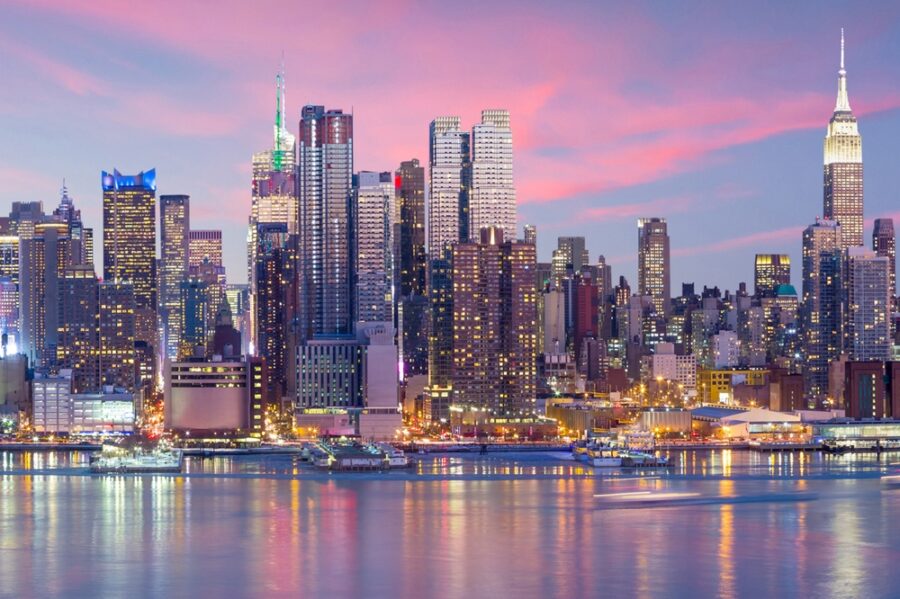
BetMGM and hotel loyalty program Marriott Bonvoy have launched a sweepstakes game that gives players the chance to win trips to New York City for a World Cup event in July.
The sweepstake runs through June 21 and is open to eligible BetMGM users who link their BetMGM and Marriott Bonvoy accounts and place a minimum US$10 wager.

Winners will get access to the Sports Illustrated Beyond the Pitch Party, an event series staged in cities hosting World Cup games that will conclude with a gathering in New York City on July 18.
In addition, 10 grand prize winners and their guests will receive VIP access to the event, round-trip travel to New York City or travel funds, a three-night hotel stay at Moxy Lower East Side, and dinner at L’Artusi Supper Club.
An additional 30 participants will receive a US$100 bonus bet. All entrants who earn at least one entry during an entry period will receive 2,500 Marriott Bonvoy points.

Participants can enter through the BetMGM Sportsbook app or website after linking their accounts, and there’s a maximum of 25 entries available per entry period, with winners selected weekly throughout the promotion.
“At BetMGM, we’re always looking for ways to reward our players with legendary experiences they simply can’t get anywhere else,” said Matt Prevost, Chief Revenue Officer at BetMGM. “Partnering with Marriott Bonvoy for this event allows us to bring fans inside the velvet ropes during a once–in–a–generation moment on the global sports stage.”
Last month, BetMGM also signed a slot content deal with online casino games developer Bragg Gaming Group.
Charlotte Capewell brings her passion for storytelling and expertise in writing, researching, and the gambling industry to every article she writes. Her specialties include the US gambling industry, regulator legislation, igaming, and more.

Dig Deeper
Related stories




The Backstory
World Cup buildout moves from odds boards to travel perks
BetMGM’s Marriott Bonvoy sweepstakes lands at a point when U.S. betting operators and adjacent sports businesses are treating the 2026 FIFA World Cup as more than a betting calendar event. The tournament, to be staged across North America, is becoming a test of how far sportsbooks can extend customer acquisition and retention beyond traditional promotions such as odds boosts, bonus bets and free-to-play games.
The partnership gives BetMGM a hospitality-led route into the World Cup marketing cycle, linking wagering activity to loyalty points, New York travel and access to a Sports Illustrated event. That is consistent with a broader strategy among major operators: use a once-in-a-generation U.S.-hosted tournament to reach casual fans who may not otherwise engage heavily with soccer betting. The scale of the event, its U.S. time zones and its cultural footprint are drawing sponsors, betting suppliers, sports festivals and regulators into the same orbit months before kickoff.
For BetMGM, the offer also follows a pattern of positioning the brand as an entertainment company with a sportsbook attached. The company has leaned into media, television and experiential tie-ins as a way to stand out in a maturing online sports betting market where pricing and promotional offers can be quickly matched by rivals.
A larger U.S. betting opportunity is forming
The commercial logic is clear. A Deutsche Bank analysis recently projected that World Cup betting in the U.S. could generate US$3.3 billion in handle, with a possible range from US$2.5 billion to US$4.1 billion. The estimate, detailed in an analysis of how the World Cup could accelerate online sports betting growth, pointed to several structural advantages over the 2022 tournament in Qatar.
The 2026 World Cup will feature 104 matches, up from 64 in 2022. It will be played in North American time zones, giving U.S. operators more favorable windows for live betting, same-game parlays and second-screen engagement. The eligible U.S. sports betting population has also expanded since the last tournament, with the Deutsche Bank analysis estimating 135 million adults now have access to legal online sports betting, compared with 104 million in 2022.
Those figures help explain why operators are moving early. The handle forecast placed FanDuel and DraftKings at the front of the market, with US$1.3 billion and US$1.1 billion, respectively. BetMGM was projected at US$250 million, a smaller share but still a material opportunity if the tournament brings in first-time soccer bettors and dormant sports customers. Promotions tied to travel, loyalty points and event access can help operators target customers before betting markets reach peak intensity.
The timing also matters. By launching months before the tournament’s closing stages, BetMGM and Marriott can build account-linking behavior and collect engagement data ahead of the busiest World Cup betting windows. That is valuable in a market where operators are under pressure to manage promotional spend while still competing for share during major sports events.
Fan experiences are becoming part of the competition
The Marriott promotion is not occurring in isolation. Sports and entertainment companies are building World Cup-adjacent products designed to capture fan attention even when matches are not being played. Fanatics, for example, has partnered with FIFA for Fanatics Fest in New York, a festival scheduled for July 16 to July 19 at the Javits Center, coinciding with the final matches of the tournament.
The Fanatics Fest collaboration with FIFA is framed around immersive fan experiences, soccer legends and viewing access to the World Cup finals. It also includes FIFA’s participation in Fanatics Games, a cross-sport competition in which fans compete against athletes, celebrities and creators for US$2 million in prizes. FIFA’s soccer-specific addition, a penalty shoot-out format, underscores how event organizers are trying to stretch the tournament into broader entertainment programming.
That same logic underpins BetMGM’s sweepstakes. Rather than only offering a betting incentive, it connects sportsbook activity with travel, dining and exclusive access in New York, one of the host cities and a focal point for World Cup-related events. The prizes are designed to sell proximity to the cultural moment around the tournament, not just the matches themselves.
For operators, this represents a shift in customer engagement. Major events such as the Super Bowl and March Madness have long driven betting spikes, but the World Cup presents a different challenge. Soccer betting in the U.S. has historically been less central than football, basketball or baseball wagering. Experiences and cross-brand partnerships can help bridge that gap by appealing to fans who may follow the World Cup as a social and cultural event rather than as regular soccer bettors.
Suppliers are filling the gaps between matches
The tournament’s expanded schedule creates more opportunities, but also more downtime. Betting suppliers are responding by adding products that can keep sportsbook users engaged between fixtures. Beter recently expanded its eFootball content to 4,200 monthly events ahead of the 2026 World Cup, including World Cup-themed competitions and matches scheduled around peak betting hours.
The Beter eFootball expansion ahead of the FIFA World Cup added three World Cup-inspired leagues and more than 3,600 additional matches. The company said U.S. bettors would have access to about 140 extra matches a day across a schedule running nearly around the clock. The goal is to help operators fill lulls before, during and after major fixtures with fast-settling esports content.
That supplier strategy matters for sportsbooks such as BetMGM because the World Cup will be a customer retention challenge as much as an acquisition opportunity. A user drawn in by a promotion or a marquee match may not immediately become a regular soccer bettor. Operators will need content depth, in-play markets, parlay options and adjacent products to maintain activity across a monthlong tournament.
World Cup-themed esports also reflects a broader industry habit: converting major sports narratives into year-round or all-day betting inventory. The more suppliers can package soccer-adjacent content around national teams and tournament formats, the more operators can keep the World Cup visible even outside match windows. That could reinforce promotional campaigns like BetMGM’s by giving newly engaged users more reasons to return to sportsbook apps.
BetMGM has been widening its entertainment footprint
BetMGM’s Marriott campaign also fits with the company’s broader effort to attach its brand to mainstream entertainment properties. The operator recently struck a deal for a branded game on the long-running CBS show “The Price Is Right,” marking the first custom-branded format in the program’s 54-year history. The new game, The Lion’s Share, is scheduled to debut Sept. 22 and will give contestants a chance to compete for prizes worth up to US$500,000.
That initiative, covered in BetMGM’s plan to sponsor a new game on “The Price Is Right”, followed a broader licensing agreement with Fremantle to adapt game show properties into digital casino formats. An online casino version of The Lion’s Share is expected in 2026.
The through line is brand familiarity. Sportsbooks face high marketing costs and limited differentiation in core wagering products. By appearing in television, travel rewards and event-based promotions, BetMGM can reach consumers in environments that are not strictly betting-led. That approach may be especially useful around the World Cup, where the potential audience includes occasional bettors, international soccer fans, loyalty program members and travelers seeking experiences tied to the tournament.
Marriott Bonvoy brings a large customer base and a travel redemption ecosystem that can make the promotion feel less transactional than a typical sportsbook bonus. BetMGM, meanwhile, gains a way to encourage account linking, wagering and repeat engagement. The use of weekly prize selections and entry periods gives the operator multiple customer touchpoints before the New York event in July.
Global attention brings regulatory pressure
The commercial opportunity around the World Cup is paired with heightened regulatory scrutiny, particularly in markets where online gambling is restricted or illegal. Thai authorities have increased enforcement against gambling websites and betting-related social media content ahead of the tournament, according to the Bangkok Post. Police said they blocked 717,425 URLs linked to betting activity on platforms including Facebook, TikTok and Line from Oct. 1, 2025, to May 20, 2026.
The crackdown, outlined in the report on Thai authorities blocking gambling websites ahead of the FIFA World Cup, also identified 309 igaming websites as priority enforcement targets during May and June. Officials said artificial intelligence is being used to identify gambling-related content more quickly, while investigators are monitoring alternative payment channels including corporate accounts, PayPal services, cross-border intermediaries and cryptocurrencies.
That contrast highlights the uneven global environment surrounding the World Cup betting boom. In regulated U.S. states, operators are seeking brand partnerships, data capture and experiential promotions. In jurisdictions such as Thailand, authorities are trying to suppress football wagering and prevent underage participation. The same tournament can therefore be both a growth catalyst and an enforcement trigger.
For BetMGM and other licensed operators, that makes compliance and responsible gambling messaging important parts of any World Cup strategy. The event’s reach will bring new users into betting apps, some with limited experience in soccer markets or sports wagering generally. Promotions tied to travel and entertainment can widen the funnel, but they also raise the stakes for clear eligibility rules, geolocation controls and age verification.
The Marriott sweepstakes reflects where the U.S. market is heading before the 2026 World Cup: betting products surrounded by loyalty programs, live events, media partnerships and cultural packaging. The companies that convert that attention into durable customer relationships, while managing promotional costs and regulatory risk, will be better positioned once the tournament’s betting volume arrives.
