
Wisconsin lawmakers grapple with online sports betting legislation ahead of Assembly vote

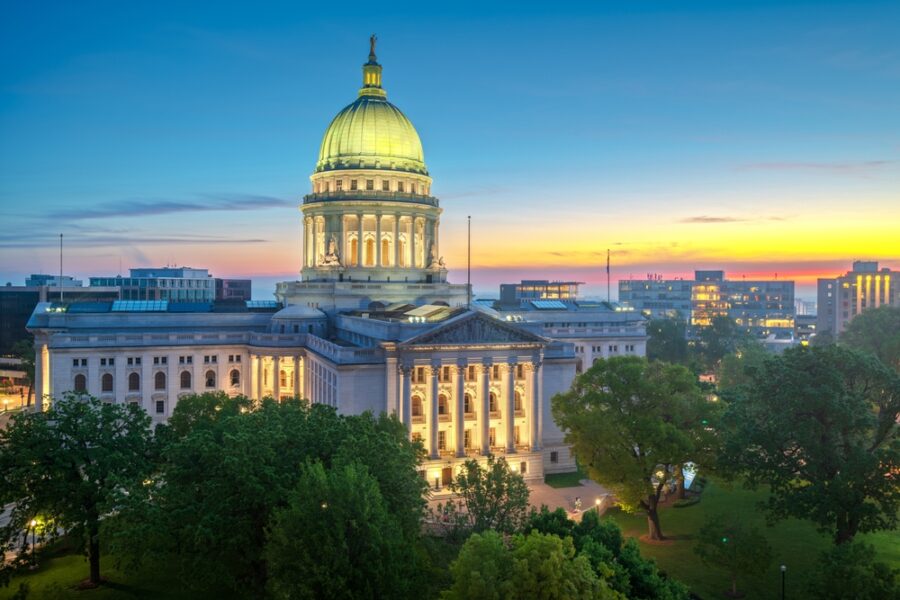
Speaker of the Wisconsin State Assembly Robin Vos has revealed that lawmakers are still working on a bipartisan bill to legalize online sports betting in the state, adding that a vote in the Assembly is expected.
In a December 30 interview reported by the Milwaukee Journal Sentinel, the Republican lawmaker alluded to the fact that sports betting is “already happening” in the state and that lawmakers are currently seeking a way to regulate it transparently.

Vos went on to say that if the legislation reached Governor Tony Evers’ desk, he would be likely to sign it if it supported the state’s federally recognized tribes.
The bill previously stalled in November, facing growing pushback from sports betting operators FanDuel and DraftKings, who cited difficulties in operating if the state’s tribes were able to keep 60% of the revenue generated from sports betting.
More opposition came from anti-gambling campaigners, including the Wisconsin Institute for Law & Liberty, which argued that the bill would raise “constitutional issues” for the state.

Vos took on board the criticism, but noted that nothing could be done about not allowing the state’s 11 tribes to offer online sports betting, as the gaming compacts were set up in a way that only these tribes have the authority to offer gambling in the state.
The lawmaker also noted additional feedback, including the inclusion of micro-betting restrictions and the rise of prediction markets in the state that already allows residents to bet on sports.
He closed the interview by saying, “I do believe in the end, we’ll have a vote on the floor, but we just have to work through some of the concerns that people have.”
Charlotte Capewell brings her passion for storytelling and expertise in writing, researching, and the gambling industry to every article she writes. Her specialties include the US gambling industry, regulator legislation, igaming, and more.

Verticals:
Sectors:
Topics:
Dig Deeper
Related stories
 2025/11/19: Wisconsin lawmaker warns prediction markets will launch even if sports betting is not approved
2025/11/20: Wisconsin online betting bill hits legislative roadblock
2025/10/22: Wisconsin lawmakers propose bill to allow online sports betting
2025/06/05: Rhode Island lawmakers prepare to vote on gambling bills as legislative deadline nears
2025/11/19: Wisconsin lawmaker warns prediction markets will launch even if sports betting is not approved
2025/11/20: Wisconsin online betting bill hits legislative roadblock
2025/10/22: Wisconsin lawmakers propose bill to allow online sports betting
2025/06/05: Rhode Island lawmakers prepare to vote on gambling bills as legislative deadline nears
 2025/11/19: Wisconsin lawmaker warns prediction markets will launch even if sports betting is not approved
2025/11/20: Wisconsin online betting bill hits legislative roadblock
2025/11/19: Wisconsin lawmaker warns prediction markets will launch even if sports betting is not approved
2025/11/20: Wisconsin online betting bill hits legislative roadblock
 2025/10/22: Wisconsin lawmakers propose bill to allow online sports betting
 2025/06/05: Rhode Island lawmakers prepare to vote on gambling bills as legislative deadline nears
The Backstory
Why the vote matters now
Wisconsin’s push to legalize mobile sports wagering has been building for months under a model that puts tribes at the center and national sportsbook brands on the sidelines. Lawmakers crafted a system that would keep betting servers on tribal land and allow wagers statewide on phones, mirroring Florida’s framework with the Seminole Tribe. Supporters argue it would pull betting out of the gray market and into a regulated channel, while opponents warn of social costs and constitutional questions. As the Assembly weighs next steps, the path here shows why the details — from server location to who gets market access — will decide whether the plan holds.
From casino floors to phones
Under current law, sports betting in Wisconsin is confined to on-site tribal sportsbooks like Potawatomi Casino in Milwaukee. A bipartisan proposal introduced in late October would change that by authorizing tribal operators to launch mobile platforms, so long as the technical backbone remains on sovereign land. The approach is designed to comply with the state constitution and existing compacts while opening the market to statewide participation.
Early coverage highlighted the bill’s core design and trade-offs. A primer on the plan explained that lawmakers proposed a tribal mobile model that excludes national brands, with the goal of aligning Wisconsin with states that already allow online wagering while preserving tribal control. Backers cast it as a modernization step that could curb illicit betting and keep revenue tied to local operations. Public health advocates countered with research on the risks of 24/7 access and the potential for overspending online, underscoring the regulatory balancing act ahead.
Fast progress, then a pause
The measure initially moved quickly. In November, it advanced out of a key Senate committee by a five-three vote, positioning it for floor consideration. That committee action followed testimony from tribal representatives and bipartisan sponsors who argued the system would replace a “wild west” of unregulated activity with a legal channel and consumer protections. Coverage noted that the plan mirrored Florida’s “hub and spoke” setup with servers on tribal lands, a design supporters said fit Wisconsin’s legal framework and sovereignty commitments.
Momentum slowed as the Assembly approached a planned vote. Leaders suddenly pulled the bill from the floor, citing the need to work through member concerns. Reporting on the reversal detailed how the effort hit a legislative roadblock amid intraparty skepticism. The Green Bay Packers issued a clarification that they did not support the bill, pushing back on suggestions they had endorsed expansion. Assembly leadership maintained confidence that time was on their side and signaled the vote would likely slip into the next session.
Sovereignty and market structure collide
The proposal’s architecture puts tribal sovereignty at its core. By keeping servers on tribal land and routing mobile bets through tribal systems, the plan seeks to expand access without reopening compacts or inviting legal challenges over statewide gaming control. That design also limits direct participation by national books, a point that reshapes the market’s commercial calculus.
Reporting underscored those lines: the initial framework would allow tribal operators to launch their own mobile apps while leaving out national brands not licensed in the state. Tribes and local backers framed the model as a way to channel demand into a regulated environment under clear jurisdiction. Critics warned that keeping out major operators could crimp competition and reduce product quality, while the prospect of broad mobile access raised familiar alarms about problem gambling. The Senate committee’s early approval suggested lawmakers were willing to test the model, but the floor delay showed the political cost of choosing sovereignty-first architecture over a more open market.
Prediction markets raise the stakes
As legislators debated mobile wagering, another force threatened to fill the gap: prediction markets. These platforms, which sell event contracts and have operated in regulatory gray areas, gained momentum nationally as states wrestled with sports betting frameworks. In Wisconsin, a key backer warned that if lawmakers failed to act, prediction markets would proliferate.
In late-session coverage, Rep. Tyler August argued that the bill was built to keep “wagering inside Wisconsin’s compact system,” pointing to a model that would redefine legal betting so mobile wagers are permitted if the user is in state and the sportsbook’s servers are on tribal land. He said that prediction markets would fill the void absent legislation and that channeling activity to a Wisconsin-based, compacted environment would protect consumers and respect sovereignty. When the Assembly yanked the planned vote, August reiterated that there was “no rush,” but warned earlier that delay could cede ground to unlicensed or lightly regulated venues. The tension sharpened the policy choice: build a controlled market around tribes or risk a patchwork of off-platform wagering.
Regional cues and consumer protections
Wisconsin’s deliberations mirror debates unfolding elsewhere about who gets access, how to police underage use and what penalties deter violations. In Rhode Island, where IGT operates the state’s digital sportsbook, lawmakers have weighed whether to open the market to new vendors and how hard to crack down on underage gambling. A recent package backed by the new Senate president would both expand competition and raise penalties, including up to one year in prison and a $1,000 fine for facilitating bets by those under 21. That push, summarized here, shows Rhode Island is pairing market expansion with tougher enforcement.
Wisconsin backers have similarly framed consumer safeguards as a pillar. Earlier discussion of the tribal-mobile bill highlighted research about digital overspending and addiction risks, and lawmakers floated limits such as micro-betting restrictions and clear accountability within compacted systems. The balancing act is evident: the state aims to replace gray-market activity with regulated options while preventing harm from always-on betting.
What to watch next
The outlines of the compromise are visible. A sovereignty-first mobile model with servers on tribal land remains the foundation. Pressure from prediction markets and the existing offshore ecosystem adds urgency. The biggest open questions are scope and pace: whether lawmakers add tighter guardrails, how they address competition from national brands and when leadership brings the bill back for a floor vote.
The recent stall suggests more dealmaking ahead. The earlier committee vote and bipartisan sponsorship show a viable path, but the political coalition must hold under scrutiny from public health advocates and industry stakeholders. As neighboring states refine their markets and enforcement regimes — and as unregulated options test the boundaries — Wisconsin’s calculus will focus on channeling demand, safeguarding consumers and honoring tribal compacts. The next vote will reveal if that formula is enough to carry the plan across the finish line.

