
The Sports Betting Alliance names Joe Maloney as President

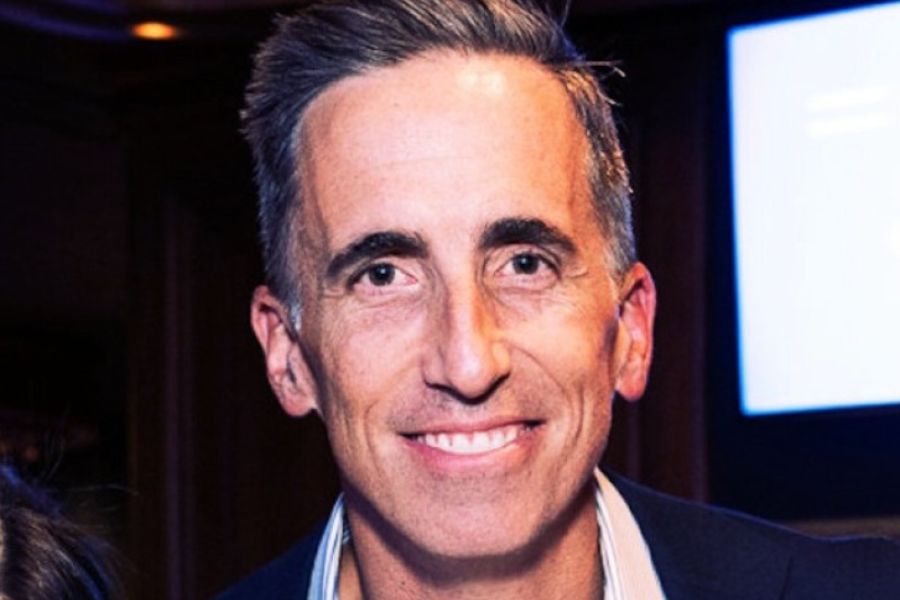
The Sports Betting Alliance has appointed American Gaming Association Senior Vice President of Strategic Communications Joe Maloney as its new president and chief executive.
The move marks a significant leadership transition for the US gaming advocacy group. Maloney brings more than 20 years of experience in sports, gaming, and strategic communications to the role.

Maloney is credited with the success of the responsible gaming platform, Play Smart from the Start,during his previous role, which provides players with tools and resources to help them stay in control while gaming.
Before joining the American gaming Association, Maloney was Vice President of Public Affairs for the NFL’s Washington Commanders, where he worked on policy related to legal sports betting market access.
Speaking on his appointment, Maloney said, “Legal, regulated sports betting and igaming are delivering meaningful consumer protections, enhanced integrity monitoring, and economic benefits to states, bringing activity once confined to the shadows into the light. I look forward to working with stakeholders throughout the country to continue strengthening the industry and ensuring its long-term success.”

The Sports Betting Alliance has been active in advocating for the legalization of sports betting in states such as Oklahoma, which is currently at a deadlock on whether to legalize the industry.

Verticals:
Sectors:
Topics:
Dig Deeper
Related stories
 2025/06/12: Bet365 joins Sports Betting Alliance to combat unregulated gaming
 2025/04/03: Sports Betting Alliance puts forward tribal sports betting plan
 2025/10/15: Rush Street names Kyle Sauers President; will continue to serve as Chief Financial Officer
 2025/05/22: VGW launches Social Gaming Leadership Alliance
2025/06/12: Bet365 joins Sports Betting Alliance to combat unregulated gaming
2025/04/03: Sports Betting Alliance puts forward tribal sports betting plan
2025/10/15: Rush Street names Kyle Sauers President; will continue to serve as Chief Financial Officer
2025/05/22: VGW launches Social Gaming Leadership Alliance
The Backstory
Why this leadership change matters now
The Sports Betting Alliance’s decision to elevate a seasoned communications and policy strategist to the top job comes as the group faces a more fragmented and politicized map for legal wagering. The coalition’s members are pushing for market access in key states while fending off tax hikes and regulatory shifts that could alter pricing, margins, and consumer behavior. The alliance has also expanded its footprint and retooled its outreach, signs that the industry’s advocacy strategy is evolving beyond the early legalization wave to a more complex phase of defense, consolidation, and targeted growth.
Over the past year, the alliance’s agenda has broadened from gaining entry into new jurisdictions to reshaping how those markets operate. That dual track demands both dealmaking and disciplined messaging—skills that become central when policymakers raise levies or when coalition proposals meet tribal, commercial, or political resistance. The timing underscores how leadership is no longer just about opening doors. It is about keeping them open while building public trust around responsible play and market integrity.
Building a bigger tent to confront the illegal market
The alliance added a major global operator to its ranks as it sharpened its focus on channeling bettors into licensed systems. In June, Bet365 joined the coalition, aligning with legacy members BetMGM, DraftKings, Fanatics, and FanDuel in a pledge to operate only in regulated jurisdictions. The company framed its move as a push to “stamp out illegal and unregulated betting” and accelerate the shift to compliant platforms. The SBA cast the joining as reinforcement for a transparent, sustainable market model.
That expansion, detailed in reporting on Bet365’s alliance entry, matters for two reasons. First, it increases the coalition’s economic and political heft at a time when statehouses are revisiting the fiscal math of sports wagering. Second, it supports a core argument the industry advances with regulators: larger, competitive legal markets are better at displacing illegal alternatives, which is a prerequisite for the consumer protections and tax receipts policymakers seek.
California’s test: an ambitious tribal-first pitch
The coalition also attempted to crack the country’s largest untapped market with a plan designed to put Native American tribes firmly in control. The pitch would consolidate California’s 109 tribes into a single operating entity and allow a limited number of outside sportsbook partners to operate under tribal governance, with a minimum guarantee per tribe and licensing levels set by tribal leadership. The idea reflected a calculated pivot from 2022’s failed ballot fight toward a structure that could meet political and cultural realities in the state.
But the early reception was cold. A prominent tribal leader dismissed the concept as dead on arrival, signaling that any path forward will require deeper alignment with tribal priorities and sovereignty. The dynamics and details were outlined in coverage of the SBA’s California proposal. The episode highlights the strategic challenge: tapping large markets depends not only on voter sentiment and legislative appetite but also on whether commercial operators can craft arrangements that tribal stakeholders view as durable and fair.
The setback does not end the conversation. It illustrates an essential lesson for the alliance—achieving scale in a state like California will hinge on models that are tribally led, economically clear, and politically viable across a diverse coalition. The next iteration will likely require more time, outreach, and concessions to tribal control over revenues, risk, data, and brand presentation.
Tax headwinds: Illinois redraws the margins
Even as the alliance looks for new markets, it is fighting to preserve the economics of mature ones. Illinois, one of the country’s most active betting states, adopted a per-wager surcharge that stacks on top of last year’s increase of the online sports betting tax rate from 15% to 40%. Lawmakers approved a levy of 25 cents on each of the first 20 million bets and 50 cents thereafter, part of a broader effort to raise $1 billion for public transit within a $55.2 billion budget.
The new structure drew immediate opposition from operators and sports media partners who warned it could push customers to the illegal market and reduce state take over time. The alliance publicly condemned the change and signaled it would continue to challenge similar proposals elsewhere. The contours of the policy and reaction were detailed in coverage of the Illinois tax package.
Illinois is a bellwether. As more states balance budget gaps with targeted levies on wagering, operators face pressure to reprice or reduce promotions. That can dampen handle growth and undercut the legal market’s edge over offshore competitors. For the alliance, the response mixes litigation risk assessment, economic analysis, and coalition-building with leagues, teams, media, and responsible gaming advocates to argue that tax design matters for consumer protection and long-term revenue stability.
Adjacent battles: social gaming carves out its lane
The policy fight over what constitutes gambling, and how to treat it, is expanding. In the U.S., social casino and sweepstakes-style products are pressing for recognition and standards distinct from real-money wagering. A new industry group, the Social Gaming Leadership Alliance, launched to educate policymakers on the model, advertise guardrails like age verification and player tools, and advocate for clear regulatory frameworks.
The group’s formation, led by Australian operator VGW with partners including Playstudios and payments firm Nuvei, reflects a broader convergence between gaming and digital entertainment. As detailed in Inside look at the social gaming coalition, the effort positions social casino as free-to-play entertainment with sweepstakes mechanics rather than traditional gambling. For the SBA, the emergence of adjacent advocacy efforts is both complementary and complicating. It can help normalize player protection standards across formats while forcing sharper distinctions about what falls under sports betting regulation versus interactive entertainment.
Industry recalibration and what comes next
Operators are reshaping leadership and operations to navigate the market’s next phase. Rush Street Interactive elevated its chief financial officer to a dual role as president and CFO, a move designed to keep execution tight while the CEO leans into product innovation, iCasino legalization, and regulatory advocacy. The company framed the new structure as a way to maximize performance in current markets and prime the business for expansion. The strategic shift was detailed in coverage of Rush Street’s leadership change.
These internal moves mirror the coalition’s broader inflection point. The early race to launch has given way to steady-state operations, profitability pushes, selective state campaigns, and regulatory defense. The alliance’s leadership will be judged on whether it can align operators around coherent positions on taxes, consumer safeguards, and market structure, while tailoring pitches to local political realities from Sacramento to Springfield.
The stakes are high. The legal market’s ability to displace the illegal one hinges on pricing and product parity, sustained consumer trust, and ongoing investment in compliance and integrity. Advocacy that connects those dots—showing how smart tax policy, responsible marketing, and strong tribal and state partnerships reinforce each other—will determine whether the industry’s growth remains durable in its second chapter.

