


New York sportsbooks record US$595 million in NFL Week 1 bets

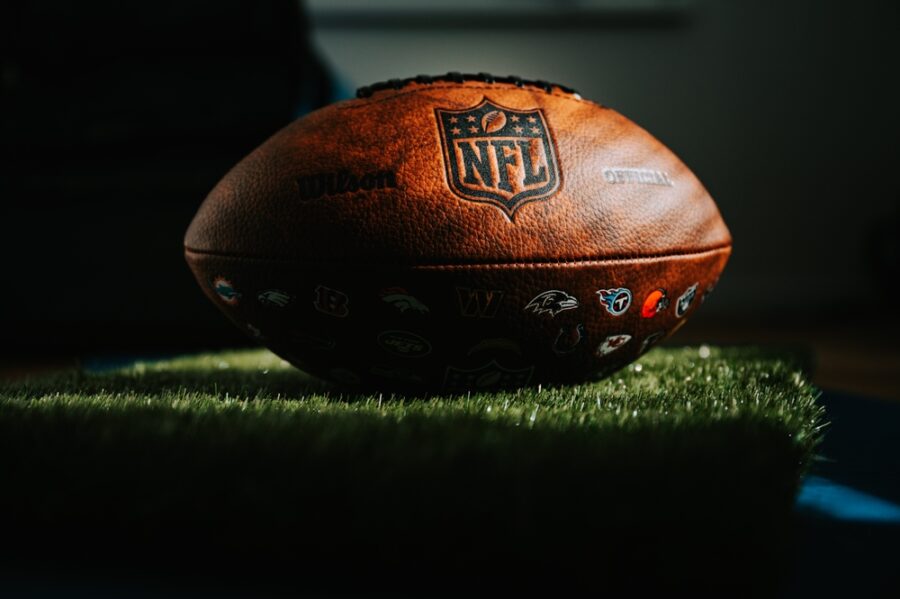
New York sportsbooks saw approximately US$595 million in bets during the first week of the 2026 NFL season, marking the highest opening week total since the state introduced its regulated online sports betting market in January 2022, according to ESPN.
Figures released by the state’s gambling regulator, the New York State Gaming Commission, indicate the total was the sixth-largest weekly betting handle recorded in New York and was almost 13% higher than the amount wagered during 2025’s NFL opening week.

Despite the increase in betting volume, New York sportsbooks recorded approximately US$17 million in net winnings, a 44% year-over-year decrease. This figure followed a week of very few major upsets and a high number of touchdowns.
The strong opening weekend contributed to expectations of significant betting activity during the 2026 NFL season. Research firm Eilers and Krejcik Gaming predicts that approximately US$40 billion could be wagered at US sportsbooks and prediction markets throughout the season.
Prediction markets also recorded significant NFL activity during the first week of the season, with Kalshi reporting almost US$702 million in NFL-related trades, up 211% year-over-year, according to DefiRate.com. Including NFL combination markets, trading exceeded US$1 billion.
The Cowboys-Giants game on Sunday generated US$112.8 million in trading volume on Kalshi, while DraftKings also identified the game as its largest prediction market event and most bet on its sportsbook.
This comes as prediction markets continue to face regulatory challenges over their sports event contracts, with several US states, like Connecticut, arguing that these contracts fall under state gambling regulations instead of federal oversight.

Dig Deeper
Related stories
 2025/08/21: Aristocrat Leisure, NFL combine for free-to-play NFL Super Bowl Slots social casino game
 2025/08/13: Optimove study indicates NFL bettors will bet consistently this year
 2026/08/19: Fanatics strikes deal with NFL to become its official sportsbook
 2025/11/28: Prediction markets expected to win big from Thanksgiving NFL matchups
2025/08/21: Aristocrat Leisure, NFL combine for free-to-play NFL Super Bowl Slots social casino game
2025/08/13: Optimove study indicates NFL bettors will bet consistently this year
2026/08/19: Fanatics strikes deal with NFL to become its official sportsbook
2025/11/28: Prediction markets expected to win big from Thanksgiving NFL matchups
The Backstory
NFL betting’s opening-week benchmark
New York’s record opening week for NFL wagering fits a broader pattern: football remains the central engine of the U.S. sports betting economy, even as margins fluctuate and new competitors challenge the traditional sportsbook model. The state’s roughly US$595 million in Week 1 bets underscored how deeply NFL wagering has become embedded in the regulated market since New York launched online sports betting in January 2022. It also showed why operators, leagues and regulators are increasingly focused on football as the test case for customer acquisition, media rights, data access and consumer protection.
The rise in handle, almost 13% above the prior year’s opening week, came despite weaker sportsbook win. That gap between volume and profitability is familiar in football betting. A slate with few major upsets and heavy touchdown scoring can drive customer-friendly outcomes even when betting activity is strong. For sportsbooks, the opening week is less a stand-alone earnings event than a signal for the rest of the season: high engagement, high marketing costs and unpredictable weekly hold.
The stakes are large because football betting is no longer confined to point spreads and Sunday wagers. It now spans mobile betting, fantasy, pools, free-to-play games, branded casino content and federally regulated prediction contracts. The result is a larger market, but also one with blurrier boundaries between entertainment, gambling and financial-style event trading.
Operators entered the season expecting repeat engagement
Consumer research ahead of the season suggested New York’s opening-week volume was not an isolated burst. An Optimove study on NFL wagering intentions found that 77% of NFL bettors planned to wager throughout the season, with weekly betting remaining the dominant habit. The report also showed that 83% expected to bet on the Super Bowl regardless of the matchup and 82% planned to continue betting even if their favorite team was eliminated.
Those findings help explain why the NFL calendar is so valuable to operators. Unlike major events that produce one-time betting spikes, the NFL offers predictable weekly inventory from September through February. Regular-season games are the top draw, followed by the postseason and the Super Bowl. The cadence supports promotions, retention campaigns and cross-selling into casino products in states where online casino is legal.
The same study indicated that bettors still favor traditional wagers. Point spreads, moneyline bets and totals remain more popular than props, parlays and same-game parlays among respondents. Live betting participation declined from the prior year, according to the survey, while pregame betting gained ground. That matters for operators because product design and risk management differ across bet types. Pregame straight bets often carry lower volatility than complex parlays, but they also offer fewer opportunities for higher-margin engagement.
The research also highlighted a tension facing the sector. Most bettors said they were aware of responsible gambling resources, yet 63% acknowledged spending more than they intended or could afford. As NFL handle rises, regulators and operators face pressure to show that growth is paired with practical safeguards, not just broader advertising and more targeted promotions.
The league deepened commercial ties to wagering
The NFL’s own strategy has evolved from caution to managed participation. The league once avoided direct association with betting, but the spread of legal sports wagering prompted it to build official partnerships around data, media inventory and brand rights. Before the current season, Fanatics struck a deal to become an official NFL sportsbook, positioning the company alongside the league as it expands beyond merchandise into betting and online casino.
The Fanatics agreement followed the expiration of earlier leaguewide sportsbook deals with FanDuel, DraftKings and Caesars. Those partnerships were estimated at US$1 billion over five seasons, illustrating the value of official status in a crowded market. Official partners gain promotional access, hospitality assets, league intellectual property and, crucially, pathways to advertise across NFL media and events.
Data access has become a central part of that bargain. The NFL’s official data is supplied through Genius Sports, and renewed sportsbook partnerships have reportedly been tied to accepting higher pricing for that feed. The business logic is clear: operators want official marks and media access because the NFL drives customer activity, while the league wants betting partners inside a framework that includes integrity monitoring and information sharing.
That framework also shapes how the NFL views new entrants. League officials have indicated they are open to working with prediction markets if those platforms meet standards comparable to sportsbooks. The question is whether those companies, which operate under federal commodities rules rather than state gaming licenses, will accept the same cost structure and oversight requirements.
Prediction markets moved into football’s slipstream
Prediction markets became a larger part of the NFL betting conversation as platforms such as Kalshi and Polymarket drew substantial event-trading volume. A later report that prediction markets were expected to benefit from Thanksgiving NFL games showed why football is attractive to those platforms. Piper Sandler projected combined November volume on Kalshi and Polymarket of about US$10 billion, with NFL-related contracts accounting for a significant share.
The Thanksgiving example also highlighted a structural advantage for prediction markets. Several teams in high-profile games represented states without legal mobile sports betting, including Texas, Kansas and Wisconsin. Where state-regulated online sportsbooks cannot operate, federally regulated event-contract platforms may still be accessible, depending on the platform and user location. That creates potential demand from consumers who want exposure to game outcomes but live outside legal sports betting states.
This dynamic puts pressure on the state-by-state betting model that has defined the U.S. market since the Supreme Court struck down the federal sports wagering ban in 2018. Sportsbooks have spent heavily to secure licenses, comply with state rules and pay taxes that can be particularly high in jurisdictions such as New York. Prediction markets argue they are different products governed at the federal level. States counter that sports event contracts often function like wagers and should fall under gambling laws.
The current NFL season has sharpened that dispute because the volumes are no longer theoretical. Opening-week trading on football contracts, including combination markets, reached levels that rivaled or exceeded activity at individual sportsbooks for marquee games. That scale makes it harder for regulators, leagues and operators to treat prediction markets as a niche product.
Brand rights became another fault line
The NFL’s commercial power depends heavily on control of its marks, team logos, player images and event names. That has put prediction markets on a collision course with the league and the NFL Players Association. A report that Kalshi and Polymarket used NFL and NFLPA branding without approval pointed to promotions featuring team logos, player images and terms such as NFL and Super Bowl.
The issue is more than trademark enforcement. Official sportsbooks pay for rights to use league intellectual property and participate in league-approved marketing. If prediction markets can use similar imagery without comparable agreements, licensed operators may argue the playing field is uneven. The NFL, meanwhile, has a strong incentive to prevent unauthorized uses that could imply endorsement or dilute official partnerships.
The branding dispute also connects to integrity and compliance. NFL executives have said legal sportsbooks operate with protections that include information sharing with leagues. Prediction markets have resisted some of those requirements, citing cost and differences in regulatory structure. The league has told players and personnel that prediction markets resemble traditional sportsbooks and are prohibited under its internal rules, reinforcing that it sees the products as part of the broader wagering ecosystem even if regulators disagree on classification.
Football’s gambling ecosystem keeps widening
The NFL’s reach into gaming is not limited to real-money betting. Aristocrat Leisure’s Product Madness launched NFL Super Bowl Slots, a free-to-play social casino game, in partnership with the NFL and NFLPA. The app allows users 18 and older to play NFL-branded slot-style games, select any of the league’s 32 teams and engage with content tied to team identity and football culture.
That product sits outside regulated sports betting, but it reflects the same commercial thesis: NFL fandom can be converted into recurring digital engagement. The game builds on Aristocrat’s NFL-themed land-based slot machines that have been available in casinos since 2023, extending league branding across another format that blends sports affinity with casino mechanics.
Together, these developments frame New York’s opening-week figures as part of a larger shift. The handle shows the strength of regulated sportsbooks, but prediction markets, official league deals and social casino products show how many businesses are competing for the same fan attention. For New York and other high-tax betting states, the question is whether regulated sportsbooks can keep expanding while shouldering compliance costs that newer rivals may avoid. For the NFL, the challenge is monetizing wagering-related demand without losing control of its brand, data and integrity standards.
