
Nevada Gaming Control Board takes next step in action against Kalshi

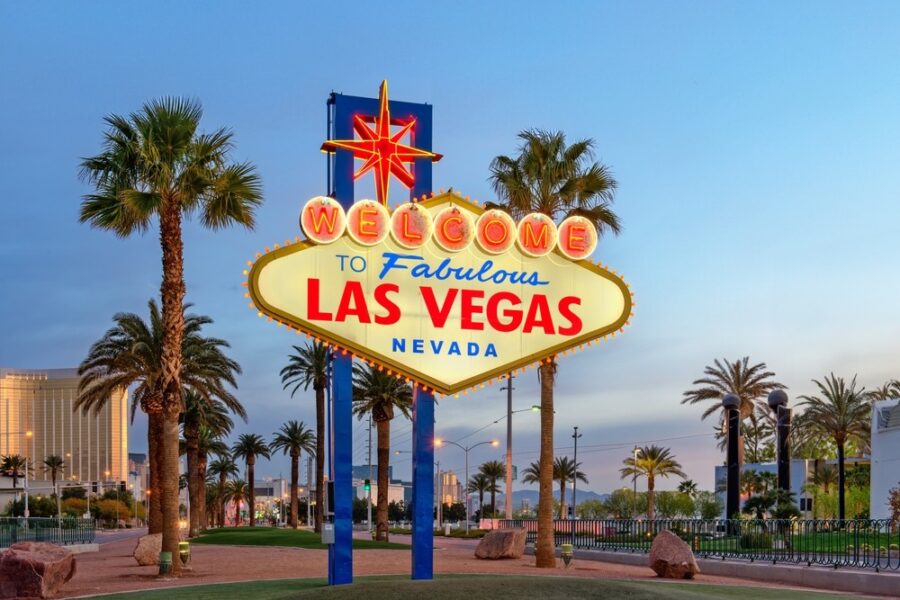
The Nevada Gaming Control Board filed a civil enforcement action against prediction market Kalshi in Carson City District Court on Tuesday, accusing the platform of operating unlawful activities under state law.
Nevada’s latest complaint seeks a declaration that Kalshi’s activities violate state gaming laws and an injunction to stop offering its services to Nevada residents.

Regulators argue that the platform’s promotion of its sports contracts as “100% legal in all 50 states” undermines licensed operators and poses risks to the state’s regulated gaming economy.
Nevada first sent Kalshi a cease-and-desist notice in March, but an injunction was issued in April that allowed Kalshi to continue operating in the state.
In November, District Judge Andrew Gordon then ruled against Kalshi and said that it was subject to Nevada gambling laws.

According to the Nevada Gaming Control Board’s complaint, Kalshi filed a motion to stay in December, which was referred to a panel assigned to oversee the appeal on January 27. The regulator accuses Kalshi of “dramatically” expanding its business during this time.
Kalshi is not the only prediction market targeted by Nevada regulators.
Before the Super Bowl, the Nevada Gaming Control Board had also filed a temporary injunction that prevented Polymarket from offering its services in the state for two weeks. Legal action was also taken against Coinbase the same week.

While Kalshi maintains that it falls under federal jurisdiction, states like Nevada argue that these platforms are offering sports gambling without proper licensing.
Charlotte Capewell brings her passion for storytelling and expertise in writing, researching, and the gambling industry to every article she writes. Her specialties include the US gambling industry, regulator legislation, igaming, and more.

Verticals:
Sectors:
Topics:
Dig Deeper
Related stories



The Backstory
How the Kalshi dispute reached a breaking point
The clash between Nevada regulators and prediction market operator Kalshi has been building for nearly a year, shaped by emergency court orders, industry pushback and a sharp debate over where federal oversight ends and state gambling law begins. The fight began after the Nevada Gaming Control Board issued a cease-and-desist letter in March, prompting Kalshi to sue and win an early injunction barring the state from acting while the case played out. As the docket accelerated, U.S. District Judge Andrew Gordon signaled he would move quickly, a stance outlined in reporting on his plan to expedite a decision after the March filing by Kalshi and parallel moves by regulators in other states. That commitment framed the stakes for both sides, given the Nevada industry’s national influence and the patchwork of rulings emerging elsewhere. For details on Gordon’s timeline and the arguments he flagged, see the coverage in Judge commits to move quickly on Kalshi Nevada judgment.
Kalshi argued from the outset that its contracts fell under the Commodity Futures Trading Commission’s jurisdiction, not state gambling rules, and that its federally regulated venue could operate nationally, including in states that had not authorized sports betting. Regulators in Nevada and beyond countered that sports-linked markets are gambling products that require state licensure and compliance with consumer protections such as age limits and limits on bet types. The dispute widened as attorneys general and gaming commissions in several states examined the reach of Kalshi’s markets, including contracts tied to sporting outcomes and election-related propositions.
Industry muscle joins the case
Nevada’s powerful casino sector pressed to be heard as the case gathered steam. The Nevada Resort Association, which represents about 70 casinos, sought to intervene on the grounds that allowing Kalshi to operate outside the state’s regulatory framework would undercut licensed sportsbooks bound by strict requirements. Judge Gordon first weighed whether to admit the group, as reported in Court to rule over Nevada Resort Association joining Kalshi case, then granted the request. He said a Kalshi win could leave the association’s members at a competitive disadvantage because prediction platforms would not face Nevada’s rules, including the prohibition on bettors under 21 and limits on permissible wagers. His order allowing the group to participate is detailed in Nevada Resort Association allowed to join Kalshi lawsuit.
The association’s intervention added political and economic weight to the state’s position. Casinos argued that unfettered access to sports-style contracts threatened the regulated market’s integrity and revenue base. They also warned that election-related activity on prediction platforms could collide with Nevada’s constitutional bar on election wagering, creating fresh legal exposure for operators that try to blur the line between financial hedging and gambling.
A turning point on jurisdiction
The legal momentum shifted when Judge Gordon issued a key ruling that cut to the central question of who polices sports-linked prediction contracts. The court found that Kalshi is subject to Nevada’s gambling laws, rejecting the platform’s claim to exclusive federal oversight. That decision lifted the earlier injunction and cleared the way for state regulators to seek enforcement action. In explaining why Kalshi’s sports markets do not qualify as swaps under the Commodity Exchange Act, Gordon pointed to contracts tethered to football touchdowns as the kind of event-based bets regulated at the state level, not by commodities law. The implications and Gordon’s reasoning are laid out in Federal judge rules against Kalshi in Nevada.
Kalshi moved quickly to seek a stay while appealing, saying it faced risk of criminal enforcement and disruption to ongoing trading. The defense also emphasized the broader conflict across jurisdictions, where courts and regulators have split on whether prediction markets should be treated as gambling or derivatives. The Nevada case drew national attention because the state’s precedents often echo across the gaming industry and because its casinos mounted a coordinated legal strategy.
The Wire Act shadow and multistate pressure
Even before Gordon’s decision, the Wire Act loomed over the litigation. Analysis flagged that Kalshi’s nationwide sports markets could run afoul of the federal law’s ban on transmitting wagering information related to sporting contests across state lines, regardless of whether a platform positions itself as an exchange rather than a bookmaker. Reporting noted that Nevada had not initially pressed the Wire Act theory in court filings, but legal experts said the state still had ample grounds to enforce gaming laws against unlicensed sports betting activity. Those arguments, and the timing pressures on the attorney general’s office, were explored in Could Kalshi’s Nevada victory collapse due to the Wire Act?.
The Nevada fight is not occurring in isolation. Other states have challenged Kalshi’s operations and issued their own cease-and-desist letters. In parallel, prediction market competitors have faced emergency injunctions and scrutiny, especially around high-visibility sporting events. Each move adds pressure on platforms asserting federal preemption, as coordinated state enforcement can quickly choke access to key markets even absent a definitive federal ruling.
Why sports-linked contracts are the fault line
The sharpest legal and policy lines have formed around sports outcomes, where state-regulated sportsbooks compete with exchange-style contracts that mimic betting without the house. Gordon’s ruling highlighted contracts pegged to scoring events as functionally indistinguishable from wagers. That treatment undercuts the strategy of classifying such markets as financial instruments governed by the CFTC rather than as gambling products governed by states. For Nevada’s casinos, the difference matters: licensed books must comply with age checks, reporting, responsible gambling protocols and strict limits on what can be offered. If exchange operators could sell sports exposure without those constraints, incumbents argue, the regulated market would face an uneven playing field and more consumer risk.
Election contracts compound the tension. Nevada’s constitution bars election wagering, a prohibition that cuts against prediction products built around political outcomes. Regulators and the resort association have cited those limits to argue that prediction venues cannot fit neatly inside a federal derivatives box in Nevada, even if they secure CFTC approvals elsewhere. The result is a jurisdictional map that changes at the state line, with Nevada positioned to defend the traditional licensing perimeter around sports and political markets.
What to watch next
With the federal court clearing the path for state action, Nevada regulators have moved to test their authority, and Kalshi has signaled it will press appeals. The near-term questions are whether higher courts will revisit the swap-versus-bet distinction and how quickly Nevada can convert legal wins into operational limits on unlicensed platforms. The case could also surface fresh federal issues, including the Wire Act and the scope of CFTC oversight when contracts track sports or politics.
Industry stakeholders are preparing for a longer campaign. The resort association’s entry suggests casinos will keep pushing to define prediction markets as gambling when they track sports or elections. Kalshi and peers are likely to refine product design and legal theories to preserve nationwide reach. As more states line up with Nevada, the balance of power may hinge on whether appellate courts, or eventually the Supreme Court, set a uniform rule for event-based contracts. Until then, the state’s posture signals that Nevada intends to guard its regulated market and shut off unlicensed channels that look, act and compete like sports bets.

