


Multiple factors for Philippines’ online gaming decline but recovery is underway: analysis


A recent softening of the Philippines’ online gaming sector appears attributable to the cumulative impact of tighter regulatory requirements rather than the suspension of e-wallet access alone, according to the latest analysis by specialist gambling law firm Arden Consult.
There are, however, positive signs of industry-wide recovery as exposed entities adjust to regulator PAGCOR’s new regulatory framework and platforms’ route around the friction, the analysis reveals.

Underlying factors
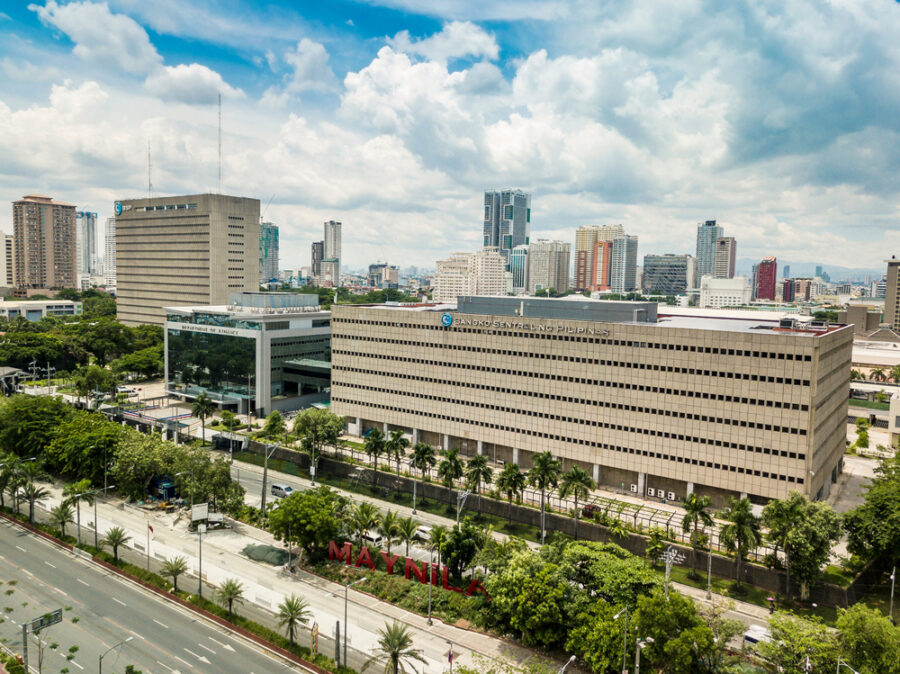
According to Arden’s Diego Cruz, the market narrative around the decline in online gaming volumes has tended to point towards a single cause: the Bangko Sentral ng Pilipinas’s (BSP – the nation’s central bank) August 2025 order suspending e-wallet links to online gaming platforms. Although this has undoubtedly had a major impact, Arden believes there are many more factors at play – specifically in relation to sector regulation.
This has included greater KYC and safer gaming restrictions: KYC now requires a real-time selfie, advertising is limited, deposits are capped and credit card and cryptocurrency funding have been removed – as well as the implementation of the new PAGCOR framework.

“Read separately, none of these is decisive,” says Cruz. “Read together, they amount to a steady and cumulative increase in the operational, technical and capital burden of running a licensed online gambling business in the Philippines.
“This cumulative regulatory load, more than the e-wallet suspension on its own, is what explains the [softer volumes].”
Payment rails still open


One of the reasons for this conclusion, Cruz argues, is that the suspension of e-wallet links to online gaming platforms was not a ban on e-wallets facilitating gambling transactions.
Licensed operators are still BSP-supervised merchants and a player with an existing and licensed account can still fund it through GCash.
“What disappeared were the in-app shortcuts. The tiles and icons that surfaced gambling platforms inside GCash and Maya,” explains Cruz. “The payment rails underneath stayed open. Users now have to leave the wallet app and go to the operator’s site to top up. That is real friction, but it is not the same thing as a payments ban.”
According to the Arden analysis, this distinction matters because “what has happened since August 2025 is a slow, steady recovery in operator-level activity as users and platforms have routed around the friction.”
Phoenix rising
This recovery has been evidenced via closer inspection of online gaming revenues over the past 12 months. Segment revenues peaked at around Php40.6 billion (US$663 million)1 PHP = 0.0163 USD
2026-06-29Powered by CMG CurrenShift in bi-monthly GGR in May-June 2025 before falling to Php23.5 billion (US$384 million)1 PHP = 0.0163 USD
2026-06-29Powered by CMG CurrenShift in September-October following de-linking. They then rebounded by 11% to Php26.6 billion (US$435 million)1 PHP = 0.0163 USD
2026-06-29Powered by CMG CurrenShift in November-December.
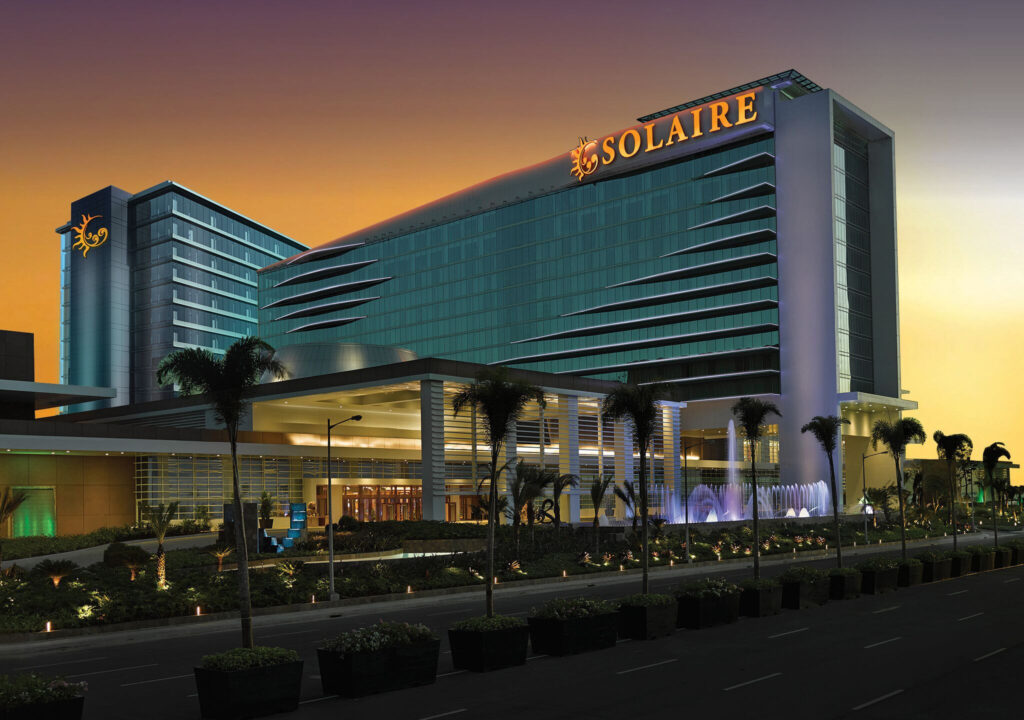
Although still well below the peak, Arden notes that Solaire operator Bloomberry Resorts Corp – which operates two online platforms in Solaire Online and FUNaloMAX – now counts its online business as the fastest-growing of the entire group with segment revenue doubling quarter-on-quarter in 1Q26.
“The land-based flagship (Solaire Resort Entertainment City) is softer year-on-year. The online channel is compounding,” Cruz observes. “The group appears to have read the situation accordingly. The most complicated name [of PSE-listed companies in the online space] has a clear conviction call inside it, and that call is online.”

Dig Deeper
Related stories
 2026/04/17: Philippine online gaming surpasses land-based casinos as largest revenue source
 2026/05/03: PAGCOR releases new regulatory framework governing live-dealer studios streaming
2026/01/30: Philippine gaming revenue falls despite rising online casino and bingo income
2026/05/03: PAGCOR releases new regulatory framework governing live-dealer studios streaming
2026/01/30: Philippine gaming revenue falls despite rising online casino and bingo income
 2025/09/04: Edge Markets: Could a single-use Visa card be the answer to gamblers’ payments woes?
2026/04/17: Philippine online gaming surpasses land-based casinos as largest revenue source
2026/05/03: PAGCOR releases new regulatory framework governing live-dealer studios streaming
2026/01/30: Philippine gaming revenue falls despite rising online casino and bingo income
2025/09/04: Edge Markets: Could a single-use Visa card be the answer to gamblers’ payments woes?
The Backstory
Regulatory friction replaces pandemic-era momentum
The Philippines’ online gaming market entered 2026 in a different phase from the rapid expansion that followed the pandemic. What began as a supplemental channel for casino operators during COVID-19 restrictions had become a central growth engine by 2025, with domestic igaming accounting for more than half of industry gross gaming revenue at its peak. The shift was encouraged by the Philippine Inland Gaming Operators framework, or PIGO, which allowed integrated resorts to offer online gaming to local residents tied to membership programs.
That momentum is now being tested by a tighter regulatory environment, weaker consumer spending and disruption to the payments experience that helped digital platforms scale quickly. PAGCOR data for the first quarter showed industrywide gross gaming revenue fell 15.9% from a year earlier to Php87.6 billion, or $1.42 billion, as the electronic gaming segment, including e-games, e-bingo, bingo and poker, dropped 22.4%. The decline pushed igaming’s share of the market down to 45.6%, according to PAGCOR’s first-quarter revenue figures.
The reversal matters because domestic online gaming had become the clearest growth path for operators facing softer land-based trends. Licensed casinos still generated Php44.5 billion in the first quarter, or just over half of total GGR, but the fastest expansion had been online. The latest analysis suggests that the sector’s slowdown is not the result of one regulatory order but of the combined effect of compliance costs, limits on funding channels and reduced customer convenience.
The e-wallet order changed behavior, not the whole system
The most visible policy shock came in August 2025, when the Bangko Sentral ng Pilipinas directed e-wallet providers to remove in-app access points to online gambling. Maya and GCash, two of the country’s dominant wallet providers, confirmed they had removed gambling links shortly after the order. The move was welcomed by lawmakers concerned about addiction and the ease with which consumers could reach betting platforms from everyday payment apps.
But the order did not amount to a full payments ban. Licensed gaming operators remained merchants within the regulated financial system, and customers could still use wallets to fund accounts through less direct routes. That distinction shaped the industry response. Operators and users adjusted by shifting activity outside the wallet apps, using websites, messaging channels and alternative payment flows to restore access. Complete iGaming previously reported that operators moved to work around e-wallet restrictions as the government tightened oversight.
The added friction nonetheless had immediate effects. The removal of icons and shortcuts reduced impulse access, complicated deposits and slowed transaction volumes. For an online sector built on speed, repetition and low-friction payments, even modest changes in user flow can produce large revenue swings. The policy also arrived alongside broader enforcement efforts. At an August Senate hearing, authorities said 8,901 illegal gambling websites had been taken down, while almost 12,000 were still estimated to be operating, underscoring the scale of the market regulators were trying to contain.
Compliance costs compound the pressure
The payments shift coincided with a more demanding regulatory framework under PAGCOR. Licensed operators have faced stricter know-your-customer requirements, including real-time selfie verification, safer gaming controls, advertising limits, deposit caps and restrictions on credit card and cryptocurrency funding. Each measure addresses a policy concern: identity verification, consumer protection, problem gambling or financial integrity. Together, they raise the technical and capital burden of running a licensed platform.
That cumulative load helps explain why revenue did not simply snap back after operators found new payment routes. More rigorous onboarding can slow customer acquisition. Deposit caps limit high-frequency play. Advertising curbs reduce brand visibility. The removal of certain funding methods narrows the pool of users able or willing to transact. The result is a licensed market that may be healthier from a regulatory standpoint but less explosive than the one that expanded through 2024 and early 2025.
The economic backdrop added another layer. PAGCOR Chairman and CEO Alejandro Tengco attributed the first-quarter dip partly to geopolitical tensions, inflation and softer discretionary spending. Those factors are not specific to gaming, but they hit entertainment spending quickly. For online gaming operators, the downturn arrived as they were also reworking payments, rebuilding user journeys and meeting new compliance standards.
Listed operators show both damage and resilience
The pressure has shown up clearly in company earnings. DigiPlus, one of the most prominent Philippine digital gaming operators, reported first-quarter net income of Php2.8 billion, down 33% from a year earlier. Revenue fell 25% to Php17.2 billion and EBITDA dropped 42%, with management citing regulatory changes, payment-channel disruption and broader economic headwinds. The company said the delinking of licensed gaming platforms from e-wallet access points reduced user activity and transaction flows, according to DigiPlus’ first-quarter earnings report.
Yet the same figures also point to stabilization. DigiPlus said revenue was largely steady compared with the previous quarter, while net income rose 15% sequentially, helped partly by gains from financial investments. That pattern is consistent with a market experiencing a step-down from prior highs rather than a structural collapse. Operators that can retain customers, refine payment systems and operate within the new rules may still be positioned for growth, albeit from a lower base and with higher compliance costs.
Integrated resort operators are pursuing similar logic. Land-based properties in Manila face competition, weaker junket activity and uneven international visitation, making domestic online platforms more important. Online gaming offers lower marginal distribution costs and can deepen loyalty-program relationships, but it also exposes casino groups to the same scrutiny as digital-first operators. The stakes are therefore strategic: online gaming is not just an add-on but a way to defend market share as traditional casino growth moderates.
Integrated resorts lean further into digital channels
Solaire has emerged as one of the clearest examples of an integrated resort operator betting on online growth. The company operates Solaire Online and FUNaloMax and has continued to expand its content base despite the tougher environment. A recent agreement will bring Light & Wonder games and aggregation partners to both platforms, with the supplier already licensed by PAGCOR as an international systems aggregator and game content provider. The deal reflects Solaire’s effort to strengthen its online offering as competition intensifies, as detailed in the Light & Wonder partnership with Solaire.
Okada Manila also has looked to digital gaming as part of a recovery plan after weaker land-based results. Parent company Universal Entertainment said Okada Manila’s 2024 net sales fell 15.4% and adjusted segment EBITDA declined 34.8%, partly because of a slowdown in the junket business. In response, the resort has promoted its Okada Online Casino to local customers through its membership program, following the PIGO model. The strategy was laid out in Universal’s plan to use Okada Manila’s online casino to support recovery.
Those moves show why the sector is unlikely to retreat from online gaming despite regulatory headwinds. For resort operators, digital platforms can extend the casino floor beyond the property, support cross-marketing and create a hedge against volatility in VIP or tourism-linked revenue. For regulators, however, that same reach raises concerns about access, addiction and illegal competition. The current market adjustment is the result of those competing forces: operators are rebuilding around stricter rules while the government tries to preserve licensed revenue without allowing online gambling to become too accessible.
The recovery depends on trust and distribution
The central question now is whether licensed operators can convert early signs of recovery into sustainable growth. Revenue has begun to rebound from the post-delinking low, suggesting users are adapting and platforms are finding workable payment paths. But the market remains well below its peak, and future gains will depend on operators’ ability to reduce friction without undermining compliance.
That balance will determine the sector’s next phase. If regulated platforms can offer reliable onboarding, clear safeguards and convenient payments, they may recapture users who moved away after the August disruption. If restrictions remain cumbersome or illegal sites continue to offer easier access, licensed operators could face a more difficult recovery. The Philippines has not abandoned online gaming; it is attempting to reshape it. The outcome will affect casino earnings, state revenue, consumer protection policy and the credibility of PAGCOR’s regulated digital market.
