
Maine lawmakers introduce bill to ban online sweepstakes

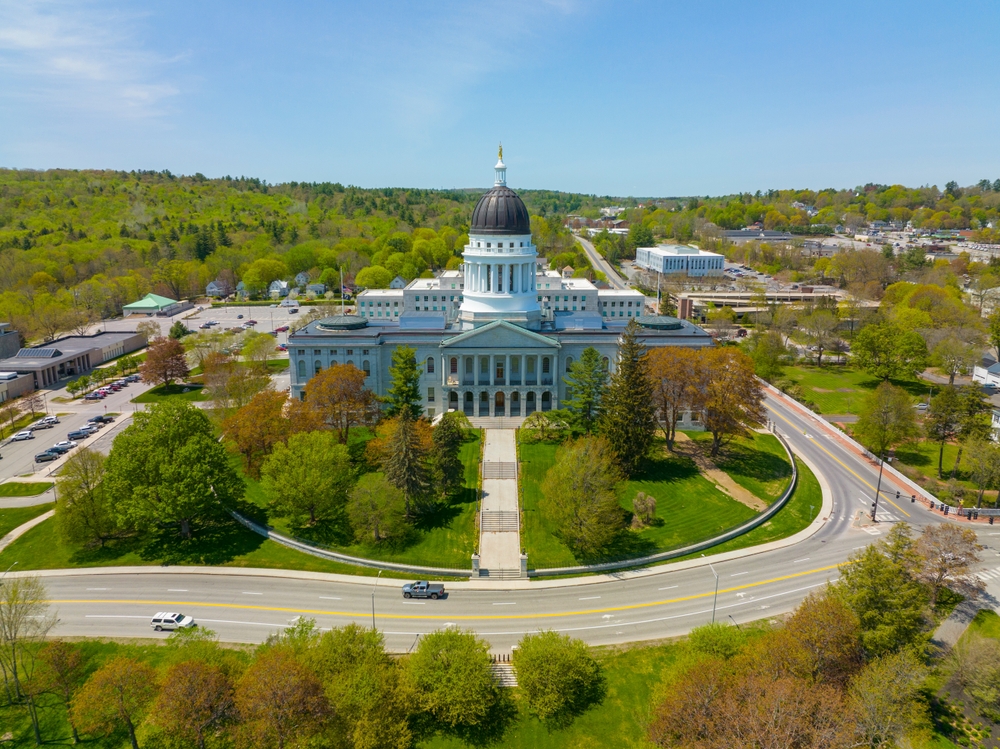
The Maine Department of Public Safety has introduced a bill to Maine’s Legislature that seeks to ban betting platforms offering unregulated types of wagering, specifically those that feature “dual currency” systems.
Under the proposed measure, operators that offer these types of wagering would be classified as operating under federal sweepstakes laws and could be fined up to US$100,000.
The effort to crack down on sweepstakes comes in an attempt to stop competition with the state-regulated sportsbooks, as Maine’s federal tribes carry exclusive rights to offer sports betting through partnerships with operators DraftKings and Caesars Sportsbook.
The proposal also coincides with the rise of prediction markets. Sportsbook operator Fanatics announced last week that it had launched Fanatics Markets in 24 states, including Maine.
At the same time, prediction market platforms Kalshi and Polymarket offer contracts on Maine’s upcoming election and face growing scrutiny over other states for providing illegal betting, despite being federally regulated.
At the moment, known sweepstakes platforms operating in Maine include Rebet, Novig, and ProphetX.
While the state’s tribes have yet to comment on the proposal, Representative Laura Supica, who chairs the Veterans and Legal Affairs Committee, told the Bangor Daily News that she liked the idea of “closing loopholes,” adding, “I know online gaming is the future, so how we write the regulations is important.”
Charlotte Capewell brings her passion for storytelling and expertise in writing, researching, and the gambling industry to every article she writes. Her specialties include the US gambling industry, regulator legislation, igaming, and more.

Dig Deeper
Related stories



The Backstory
Why the sweepstakes fight landed in Augusta now
Maine’s move to outlaw dual-currency “sweepstakes” games arrives at the intersection of tribal exclusivity, fast-changing online wagering formats and a crowded Northeast policy map. State officials have watched social-style casinos and prediction markets test boundaries with virtual coins convertible to prizes or cash, a model regulators say skirts licensing, taxes and consumer protections. The Department of Public Safety’s bill would classify those operators under federal sweepstakes laws and attach steep penalties, aiming to protect Maine’s regulated market and tamp down gray-area competitors.
The pressure is not just theoretical. Fanatics last week rolled out a prediction market product in two dozen states, and Kalshi and Polymarket have marketed election contracts nationally. While Maine’s tribes have not taken public positions, lawmakers close to gambling policy have signaled an appetite to close what they view as loopholes. Veterans and Legal Affairs Committee Chair Laura Supica told the Bangor Daily News that tightening the rules to keep pace with online play is a priority.
The emerging Maine sweepstakes bill mirrors proposals in other states targeting dual-currency systems that monetize virtual chips while positioning themselves as promotions rather than gambling. The approach is designed to blunt competition with licensed sportsbooks and prospective online casinos, reinforce responsible gaming standards and clarify enforcement against operators that do not hold state approvals.
Tribal exclusivity and a parallel bid to expand iGaming
The crackdown comes as Maine inches toward a broader expansion of legal online gaming under tribal control. Earlier this year, the Senate narrowly advanced LD 1164, which would grant the state’s four federally recognized tribes exclusive rights to offer online table games such as poker, roulette and blackjack. The measure, sponsored by Rep. Ambureen Rana, builds on the tribes’ exclusive online sports betting rights enacted in 2023 and would tax gross receipts at 18% to fund addiction services, veterans’ homes, health programs and housing initiatives.
LD 1164 passed the House 85-59 and cleared the Senate 18-17 after an earlier stall, but it still needs final votes in both chambers before heading to Gov. Janet Mills. State regulators have raised concerns about potential impacts on existing casinos and oversight capacity, and the governor’s office previously signaled opposition without issuing a new stance. The bill’s progress is detailed on LegiScan’s LD 1164 tracker, reflecting how finely balanced the politics remain.
Against that backdrop, a sweeping prohibition on dual-currency sweepstakes would complement tribal exclusivity by tamping down unauthorized competition online. If Maine eventually authorizes tribal online casino games, regulators want a cleaner runway for licensed products and clearer consumer channels. The policy sequence — first shut the gray market, then expand regulated options — echoes strategies adopted in other states to manage substitution risks and protect tax bases.
Massachusetts’ hard line on dual-currency games
Just over the border, Massachusetts lawmakers are weighing a bill that would both legalize online casinos and outlaw dual-currency sweepstakes. Rep. David K. Muradian’s H4431 proposes fines and potential prison terms for running prize-based games of chance that use virtual coins, while allowing the state’s three casino licensees to offer online table games and slots at a 15% tax rate. The dual-track approach underscores a regional trend: tighten rules on unlicensed games while opening regulated channels to meet demand.
Massachusetts’ official text is public on the General Court’s website, and the measure has already drawn fire from the industry. The Social Gaming Leadership Alliance warned the proposal could chill innovation and sweep up legitimate social games, publishing an opposition statement on its site. The debate there previews arguments Maine is likely to hear: that prohibitions risk overreach, that consumer choice favors lighter-touch rules and that enforcement lines between sweepstakes and gambling can blur.
For Maine, Massachusetts’ deliberations matter in practical terms. If a neighbor imposes strong constraints on dual-currency products while greenlighting regulated iGaming, cross-border operators could look north for gaps — or, conversely, regional harmonization could make enforcement more straightforward for both states.
What other states are choosing to legalize
The sweepstakes clampdown also comes amid a national wave of legalization bills that seek to channel online play into licensed frameworks rather than push it into gray markets. Hawaii, one of only two states without any form of legal gambling, is considering multiple proposals. SB 1572 would create a sports wagering commission and permit online and retail betting at a 15% tax rate, while HB 1308 and SB 1569 envision online-only sportsbooks at 10%. A broader bill, SB 1507, would set up a Lottery and Gaming Corporation to regulate games of skill and chance, including casino titles.
Connecticut, which already allows online sportsbooks and casinos through tribal compacts, is working to unlock shared liquidity for poker. SB 1464 would authorize the state to join a multistate compact for online poker, enabling player pools with other jurisdictions, adding responsible gaming safeguards and preventing multi-accounting. A first hearing is scheduled for March 12, with a target effective date of July 1, 2025.
In the Midwest, Ohio is debating a comprehensive expansion. SB 197 would legalize online casino and poker, add online lottery and horse betting, and recalibrate tax and fee structures depending on whether a land-based casino runs its online platform or partners with a third party. The bill also proposes cutting the retail sports betting tax to 10% and tightening advertising rules. Backers estimate up to $1 billion a year in new revenue, with a slice earmarked for problem gambling services.
These efforts share a theme: bring activity onshore, regulate it and capture revenue, while curbing unlicensed or ambiguous offerings. Maine’s sweepstakes bill aligns with that pattern, even as its tribal-centric architecture differs from commercial models in other states.
What to watch as Maine writes the rules
Maine’s policy path now turns on two questions. First, can lawmakers draw a bright line that captures dual-currency sweepstakes and prediction-style markets without ensnaring lawful social games that do not offer cashout? The draft posted on the Legislature’s website suggests a focus on monetization and redemption mechanics, which will need careful definitions to withstand legal challenges.
Second, how will the sweepstakes prohibition interact with the tribes’ bid for online table games? If LD 1164 advances to the governor’s desk, enforcement priorities will shift to ensuring gray-market operators exit while licensed tribal platforms launch with responsible gaming guardrails. That sequencing could strengthen consumer migration to regulated options, but it also heightens tensions with existing casinos worried about cannibalization and with national platforms that have treated Maine as a test bed.
The stakes are significant. For state leaders, the goal is to marry a clean regulatory perimeter with growth in taxed, supervised gambling. For tribes, exclusivity underpins investment plans and market leverage. For consumers, the outcomes will determine which products are available, how they are protected and where their money flows. The legislature’s next steps — defining the sweepstakes ban’s scope, coordinating with regulators and resolving the fate of LD 1164 — will set Maine’s online gaming posture for years.


