
Iowa regulators to get new cease-and-desist powers in illegal gambling crackdown

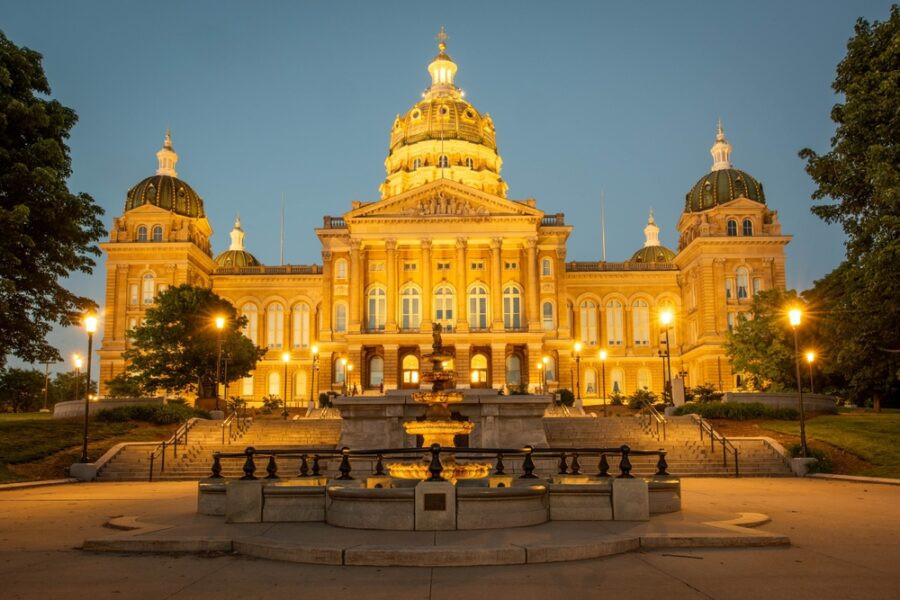
The Iowa Department of Inspections, Appeals, and Licensing has proposed a bill that would expand the enforcement powers of the state’s gambling regulator, the Iowa Racing and Gaming Commission, enabling it to send cease-and-desist letters to illegal igaming sites.
The proposal represents a shift from the Gaming Commission’s use of public warnings and consumer advisory notes, and reflects increasing scrutiny of sweepstakes gaming platforms in particular.
Speaking to the Iowa Capital Dispatch last week, Commission Administrator Tina Eick said the legislation focused on three types of platforms.
These include fraudulent sites that mimic legitimate casino brands, offshore unlicensed sports betting platforms, and sweepstakes-style gaming sites that allow players to cash out their winnings in cryptocurrency.
Eick noted that sweepstakes platforms are generating a growing number of complaints, with some players reporting delayed or unsuccessful attempts to withdraw their money.

The legislation would not immediately ban sweepstakes gaming, but it would give the Commission more authority to intervene, including issuing cease-and-desist orders.
The bill will now move through Iowa’s legislature, where a committee will review it before it goes to a full vote. Lawmakers are expected to hear testimony from regulators, industry stakeholders, and consumer advocates as the proposal is debated.
The crackdown on sweepstakes platforms has been more prominent in recent months, with Tennessee Attorney General Jonathan Skremetti sending out nearly 40 cease-and-desist orders to illegal platforms at the start of the year.

Dig Deeper
Related stories
 2025/06/19: Mississippi regulator sends cease-and-desist to illegal online gaming operators
2025/09/21: Sweepstakes operator Sportzino exits Tennessee after cease-and-desist order
2025/03/21: High 5 Casino receives cease-and-desist from Maryland gambling regulator
2025/08/25: Pakistan names list of illegal apps in online betting and trading crackdown
2025/06/19: Mississippi regulator sends cease-and-desist to illegal online gaming operators
2025/09/21: Sweepstakes operator Sportzino exits Tennessee after cease-and-desist order
2025/03/21: High 5 Casino receives cease-and-desist from Maryland gambling regulator
2025/08/25: Pakistan names list of illegal apps in online betting and trading crackdown
 2025/06/19: Mississippi regulator sends cease-and-desist to illegal online gaming operators
 2025/09/21: Sweepstakes operator Sportzino exits Tennessee after cease-and-desist order
 2025/03/21: High 5 Casino receives cease-and-desist from Maryland gambling regulator
 2025/08/25: Pakistan names list of illegal apps in online betting and trading crackdown
The Backstory
Why Iowa is moving now
Iowa’s push to arm its regulator with cease-and-desist authority caps a year of mounting pressure on states to confront illegal online gambling that is proliferating beyond traditional oversight. The Iowa Racing and Gaming Commission has relied on advisories and public warnings to steer residents away from offshore sportsbooks, copycat casino sites and sweepstakes-style platforms, but complaints have climbed, especially around delayed or rejected withdrawals. That friction has given lawmakers cover to consider a faster enforcement tool that can target bad actors before they embed deeper in the market.
The debate in Des Moines mirrors a national shift. States that allow sports betting or iGaming under strict licensing are finding their rules undercut by sites that claim sweepstakes exemptions or operate entirely offshore. Regulators argue that the spread of these platforms undermines consumer protections, siphons tax revenue and disadvantages licensed operators that comply with audits, geofencing and responsible gambling mandates. Iowa’s proposal would not outlaw sweepstakes products outright, but it would let the commission order unlicensed operators to stop serving Iowans and escalate if they refuse.
The urgency also reflects moves elsewhere. Attorneys general and gaming boards from Tennessee to New York have begun sending waves of notices to companies they say are evading state laws. Those actions, while piecemeal, have created a template Iowa can follow as it weighs testimony from regulators, operators and consumer advocates in committee.
Mississippi’s blunt message to offshore sites
Mississippi showed where this is heading with a multipronged crackdown that tied illegal online gambling to a web of state and federal violations. The Mississippi Gaming Commission said it notified operators offering sports betting and casino-style games that they are running afoul of state criminal gambling statutes, the state’s racketeering law, the Gaming Control Act and federal rules like the Wire Act and UIGEA. The regulator signaled it is preparing criminal referrals and urged residents to avoid all unlicensed sites, including sweepstakes products. That hard line underpins the case that consumer harm and tax leakage justify aggressive enforcement.
Mississippi’s approach also leans on public transparency. It directed residents to its website to see which platforms are illegal, effectively deputizing consumers and payment providers to help isolate noncompliant operators. The stance aligns with actions taken in New York last June, when the attorney general sent 26 desist letters to sweepstakes casinos, foreshadowing similar pressure in other jurisdictions. Read more about the Mississippi campaign in the commission’s cease-and-desist push against illegal online operators.
Maryland zeroes in on sweepstakes casinos
Maryland has become a focal point for sweepstakes enforcement as its lottery and gaming agency tests the limits of administrative action without new laws. On Jan. 15 the regulator disclosed that it sent 11 cease-and-desist letters to operators it considers illegal. Six recipients, including Zula, McLuck, Rebet, Fortune Coins, Golden Hearts and Stake.us, responded but did not agree to leave the market. Five others, among them BetNow and BetUS, did not respond. The agency followed up with letters to payment companies to choke off processing, a tactic regulators view as critical leverage when operators ignore warnings. Details are in the Maryland sweepstakes enforcement roundup.
Maryland has also targeted individual platforms. High 5 Casino, a sweepstakes site tied to High Entertainment, received a cease-and-desist letter alleging it offered online gambling without a license. The agency noted that online casino gaming is illegal in Maryland and warned that noncompliance could jeopardize future licensing bids. Other brands, including Fortune Coins, Golden Hearts and McLuck, received similar notices. The move came as High Entertainment faced scrutiny in other states and legal losses tied to its social casino operations, underscoring how actions in one jurisdiction can reverberate across an operator’s footprint. More context appears in the High 5 Casino cease-and-desist coverage.
For Iowa, Maryland’s experience shows both the power and limits of letters alone. Without explicit statutory authority or swift penalties, some operators keep serving customers until payment disruptions or litigation force a change. That dynamic is likely to surface in Iowa’s hearings as lawmakers weigh how teethy to make the new tool.
Michigan sketches an escalation playbook
Michigan’s regulator has paired cease-and-desist orders with public naming and tight deadlines, then teed up referrals to the attorney general if operators refuse to comply. In February the Michigan Gaming Control Board said it issued nine letters to operators offering slots, table games, sportsbooks and racebooks without a state license. The board warned that running an unlicensed gambling business is a felony carrying up to 10 years in prison or a $100,000 fine. It also cited consumer risks like unreliable withdrawals and playthrough requirements that complicate cashouts. See the list of targeted brands in Michigan’s nine cease-and-desists.
Separately, Michigan singled out BetNow for operating without authorization, giving the site 14 days to exit or face escalated enforcement via the attorney general. By isolating individual brands for follow-up action, the board reinforced a perception that it is willing to go to court when warnings fail. The approach provides a roadmap for Iowa if it wants to move beyond advisories and bring cases against repeat offenders. The BetNow action is detailed in Michigan’s order directing BetNow to stop operating.
Michigan’s messaging also leans on national figures. The American Gaming Association has estimated Americans wager hundreds of billions annually with illegal and unregulated operators, equating to more than $13 billion in lost tax revenue. That framing helps regulators cast enforcement as consumer protection and fiscal policy, not just market policing.
What’s at stake for sweepstakes sites and consumers
Sweepstakes-style casinos sit at the center of the current debate. These platforms often let customers earn or purchase virtual coins, then convert winnings to cash or cryptocurrency. Operators argue the model falls outside traditional gambling definitions. Regulators counter that when consideration, chance and prize align, the activity meets the legal threshold for gambling. Iowa’s proposal nods to this gray zone. It does not ban sweepstakes gaming but positions the commission to intervene when complaints mount or when a platform appears to be running an unlicensed casino under a sweepstakes wrapper.
The stakes are immediate for consumers. In Maryland and Michigan, regulators have highlighted delayed withdrawals, unclear terms and limited recourse if balances are frozen. The lack of independent auditing and responsible gambling controls compounds the risk. For licensed operators, the spread of unregulated sites erodes market share despite investments in compliance, age checks and geolocation. For states, the cost is tax revenue that helps fund education, health care and problem gambling programs.
Enforcement trends are also converging. Mississippi is coordinating with federal partners. Maryland is engaging payment processors. Michigan is laying a litigation trail. Tennessee and New York have shown a willingness to move swiftly against sweepstakes casinos. Iowa’s plan would plug into that mosaic by giving its regulators a direct line to warn, document and, if needed, escalate against illegal platforms serving residents.
If lawmakers advance the bill, the commission could start with targeted letters to offshore sportsbooks and high-complaint sweepstakes operators, then work with processors and, if necessary, the attorney general to push exits or pursue cases. The experience of Maryland and Michigan suggests that a public list of noncompliant sites, firm deadlines and coordination with payment networks can amplify the effect of orders without lengthy court battles.
The policy path is narrower than a ban but broader than advisories. That balance reflects a broader state-level calibration now underway across the U.S., as regulators test how far administrative tools can go in shaping a market that has moved faster than many statutes. Consumers, licensed operators and tax collectors all have a stake in whether those tools bite.

