
Indonesia reports decline in online gambling activity

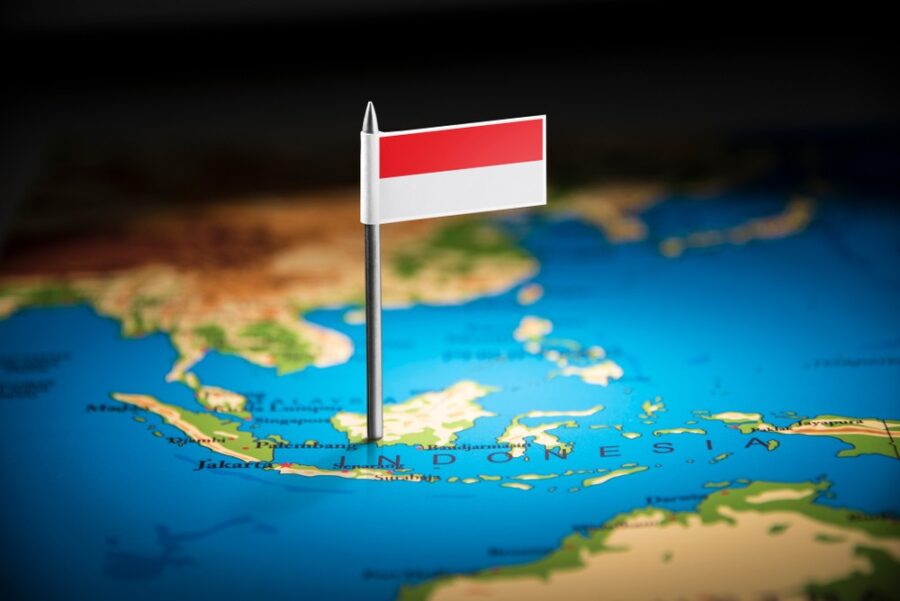
Indonesia has recorded a decline in online gambling transactions in 2025, which the government attributed to tighter enforcement and more targeted intervention across digital and financial channels.
Data from the Financial Transaction Reports and Analysis Center revealed that online gambling turnover through the third quarter of 2025 reached IDR 155 trillion. That marked a 57% fall compared with figures from 2024.
Communication and Digital Affairs Minister Meutya Hafid explained that the figures showed the impact of government measures aimed at curbing illegal gambling. “PPATK data is a highly credible indicator that our policies, ranging from monitoring and access blocking to law enforcement efforts, are effective and well targeted,” she said.
Hafid said authorities would continue to reinforce oversight and increase enforcement, with a focus on disrupting gambling operations by targeting digital content, technical infrastructure, and financial flows.
“We take swift action on every report and system finding as part of our commitment to maintaining a safe and healthy digital environment,” she added.

Earlier figures released by the Financial Transaction Reports and Analysis Center showed online gambling turnover reached IDR 155.4 trillion in 2025, down from IDR 359.8 trillion the previous year.
The agency also reported a decline in participation, with the number of online gambling players dropping to 3.1 million in 2025 from 9.7 million in 2024.
Charlotte Capewell brings her passion for storytelling and expertise in writing, researching, and the gambling industry to every article she writes. Her specialties include the US gambling industry, regulator legislation, igaming, and more.

Verticals:
Sectors:
Topics:
Dig Deeper
Related stories

The Backstory
Why the numbers shifted — and what set the stage
Indonesia’s steep drop in online gambling activity did not arrive by chance. It followed a year when the country’s financial intelligence agency warned that betting had grown into a national threat measured in the hundreds of trillions of rupiah. In midyear projections, the Financial Transaction Reports and Analysis Center, known as PPATK, said online gambling turnover could reach Rp150.36 trillion in 2025 without tougher action and tallied Rp976.8 trillion in revenue from 2017 to mid-2025 across 709 million transactions. Player counts surged from 3.79 million in 2023 to 9.78 million in 2024, with deposits of Rp51.3 trillion and widespread indebtedness among users. Those findings, and the risk to household finances, prompted a coordinated crackdown under a new cross-agency campaign called Operation Honeybee, which PPATK said would use financial intelligence to detect suspicious flows and drive enforcement, discipline and revenue recovery. Officials forecast the effort would cut activity by 58% as police and regulators moved in lockstep under Communication Minister Meutya Hafid and National Police Chief Listyo Sigit Prabowo. The contours of that plan and the scale of the underlying problem were laid out in detail by PPATK’s warning on a potential Rp150.36 trillion turnover and its description of Operation Honeybee’s goals in an analysis of the market surge and the government’s response.
The core policy idea was simple: squeeze access, infrastructure and money at the same time. Authorities aimed at takedowns across platforms, stricter supervision of bank accounts and follow-the-money probes to expose the operators behind viral promotion networks. The stakes were social as well as financial. PPATK said 3.8 million gamblers in 2024 were in debt and some were spending up to 90% of income on wagering, a pattern that threatened household stability and consumer spending.
From forecasts to forceful takedowns
The crackdown rapidly moved from data to disruption. The Ministry of Communication and Digital Affairs intensified content controls and worked with major platforms to scrub illegal promotions. In a two-week sweep from Oct. 20 to Nov. 2, authorities removed more than 2.45 million items, including 2.1 million websites and over 123,000 file-sharing posts across Meta, Google, YouTube and X. The ministry also referred 23,604 bank accounts tied to gambling operations for blocking, part of a broader effort to choke off payments and cash-out channels. Officials framed the push as a response to PPATK’s trendlines and a test of interagency coordination. The scope of the takedowns and the links to platform cooperation were detailed in a report on the mass website blocks and content removals.
The takedowns were coupled with an explicit internationalization of the strategy. The ministry and PPATK expanded collaboration with foreign counterparts after President Prabowo Subianto cast online gambling as “cross-border organized crime” at the Asia-Pacific Economic Cooperation summit. That framing encouraged data-sharing on payment routes, domain registries and hosting services abroad, raising transaction costs for operators who cycle through mirror sites and mule accounts.
Cutting off the cash: account freezes and banking rules
As platforms closed doors, regulators tightened the pipes. The Financial Services Authority, or OJK, ordered banks to freeze 17,026 accounts suspected of facilitating gambling, directed lenders to harden due diligence and flagged dormant accounts as a growing vulnerability. OJK also told banks to step up cyber patrols for misuse of logos and to report suspicious activity to PPATK for tracing, while forming a rapid-response task force for incidents. The measures and their rationale are laid out in coverage of OJK’s order to block more than 17,000 accounts and tighten oversight. The same push was underscored by a separate PPATK action freezing more than 28,000 accounts allegedly tied to online gambling funnels, many of them bought-and-sold or dormant bank profiles used as pass-throughs. The mass freeze sparked public concern after some users claimed legitimate accounts were caught up, a sign of the operational complexity when networks blend illicit and idle assets. PPATK said affected customers could reactivate dormant accounts by completing bank procedures and urged the public to close unused accounts and report suspicious transactions. The mechanics and fallout of that action are detailed in a report on the 28,000-account freeze and the risks of account trading.
The banking actions matter because they strike at the resilience tactics of gambling syndicates. Operators rely on rapid account rotation and small-value transfers to evade detection. Forcing stricter KYC, monitoring dormant profiles and disrupting mule marketplaces can slow the churn, raise costs and reduce the industry’s ability to scale during platform bans.
Political momentum and calls to go further
With reported transactions falling, lawmakers urged the government not to ease pressure. Commission I member Oleh Soleh called for deeper probes to map the full networks behind the sites and said enforcement should be paired with digital literacy to blunt marketing aimed at younger users. He praised ministry takedowns and bank freezes but argued deterrence must increase for site developers and promoters. Those comments add political cover for continued coordination and are captured in reporting on the push to toughen the crackdown and invest in public education.
The legislative and regulatory fronts have moved in tandem. OJK’s directives to freeze accounts and tighten screening, flagged publicly in July, were part of a broader message that online gambling poses risks to the financial system as well as to consumers. For background on the banking orders and the emphasis on enhanced due diligence, see Antara’s coverage of how OJK instructed banks to block 17,026 gambling-linked accounts. Political voices have also pressed ministries to intensify the fight across platforms and payment rails, a theme reflected in Antara’s reporting on how Indonesia was urged to intensify action against online gambling networks.
The social cost behind the crackdown
Beyond headline figures, officials point to the social profile of those affected. PPATK data indicated that 80% of gamblers earned less than Rp5 million monthly and that the lower-income cohort shrank nearly 68% compared with 2024 as enforcement ramped up. That shift suggests the crackdown is hitting the most vulnerable segment that was driving volume at the height of the 2024 surge. Those metrics, together with deposit declines of 45% to Rp24.9 trillion, were highlighted in the report on large-scale website blocks and associated transaction data. The message from policymakers is that cutting off access and cash flows is as much about consumer protection as crime control.
International framing also raises the stakes. By signaling that gambling networks operate across borders and rely on global infrastructure, Indonesian officials are laying groundwork for extended cooperation with overseas regulators and tech firms. That could help turn short-term takedowns into lasting barriers by aligning blacklists, sharing indicators of compromise and coordinating domain seizures.
What’s next as enforcement broadens
The next phase will test whether structural measures can sustain the downtrend. The government is drafting new rules to bind Internet service providers into prevention efforts and strengthen cross-agency protocols, according to OJK. Operation Honeybee’s mandate goes beyond analysis to arrests, civil servant discipline and revenue collection, raising the prospect of more visible prosecutions and asset recovery. If the policy mix of platform takedowns, account freezes and financial surveillance maintains momentum, PPATK’s projected reduction in activity aligns with the downward turn now showing up in transaction data.
At the same time, the risk of displacement remains. Gambling operators can pivot to fresh domains and alternative payment channels. That is why the focus on dormant accounts, enhanced bank screening and rapid content removal will likely persist as core tools. Continued political backing — including calls for stronger deterrence and public education — suggests the campaign will not be a one-off. For a sense of how these elements interlock, the government’s expectations and enforcement blueprint are summarized in PPATK’s forecast and Operation Honeybee plan, while the early operational results are visible in the mass site blocks and bank freezes ordered by OJK.


