
Indian Enforcement Directorate seizes INR1.2 billion in Probo Media assets

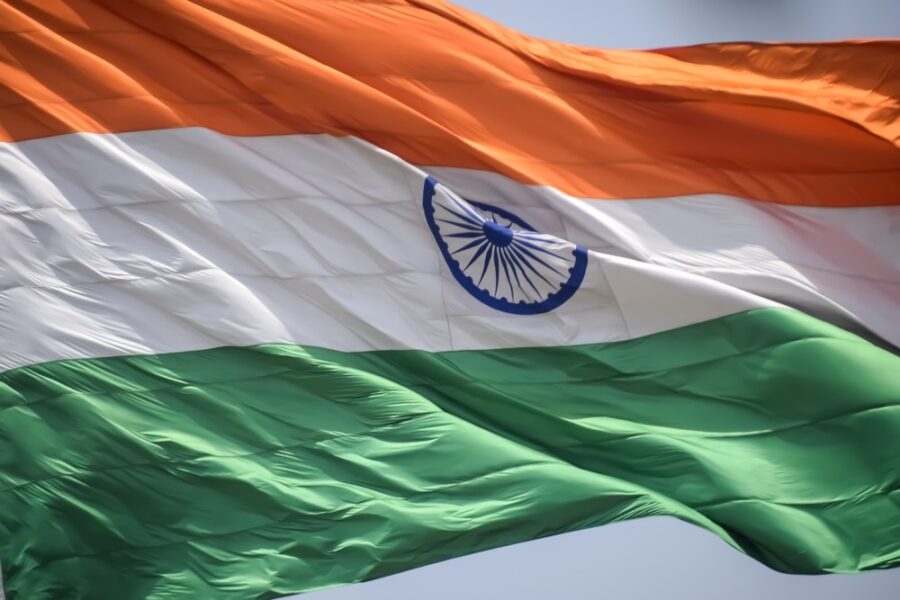
India’s financial investigation agency, the Enforcement Directorate, has ordered the provisional attachment of assets valued at approximately INR1.2 billion belonging to trading platform Probo Media and its directors’ relatives.
Probo Media runs the Probo platform, an app and website that offers yes/no event contracts. Investigators claim that the platform promoted online gambling while being presented as an “online gaming” product.

The attachment, which holds assets ahead of a final court judgment to secure potential future claims, was issued on December 9 and covers fixed deposits, investments in shares, and multiple residential properties owned by relatives of the company’s promoters.
Probo ceased operations in August 2025 following the enforcement of the Promotion and Regulation of Online Gaming Act of 2025.
According to the Enforcement Directorate, Probo Media portrayed its activities as skill gaming while conducting betting operations, generating an estimated INR12.4 billion through its promoters and directors.
On July 8 and 9, 2025, coordinated searches resulted in the freezing of INR2.8 billion in fixed deposits and shares.
The Enforcement Directorate said that its inquiry is continuing, with efforts focused on tracing additional assets and money flows connected to the alleged gambling activities.
The investigation also found that Probo Media raised approximately INR1.3 billion by issuing preference shares to entities based in Mauritius and the Cayman Islands.
Charlotte Capewell brings her passion for storytelling and expertise in writing, researching, and the gambling industry to every article she writes. Her specialties include the US gambling industry, regulator legislation, igaming, and more.

Verticals:
Sectors:
Topics:
Dig Deeper
Related stories
 2025/09/23: Former Indian international cricketer appears in front of the Enforcement Directorate regarding 1xBet investigation
2025/04/22: Indian social media influencers profited from gambling promotion
2025/04/15: Goa police make 45 arrests in Indian Premier League gambling crackdown
2025/06/02: Report highlights risk from illegal gambling platforms on Indian youth
2025/09/23: Former Indian international cricketer appears in front of the Enforcement Directorate regarding 1xBet investigation
2025/04/22: Indian social media influencers profited from gambling promotion
2025/04/15: Goa police make 45 arrests in Indian Premier League gambling crackdown
2025/06/02: Report highlights risk from illegal gambling platforms on Indian youth
 2025/09/23: Former Indian international cricketer appears in front of the Enforcement Directorate regarding 1xBet investigation
 2025/04/22: Indian social media influencers profited from gambling promotion
 2025/04/15: Goa police make 45 arrests in Indian Premier League gambling crackdown
 2025/06/02: Report highlights risk from illegal gambling platforms on Indian youth
The Backstory
Why Probo matters in India’s escalating gambling crackdown
India’s enforcement push against illegal betting has been building all year, and the provisional attachment of assets tied to Probo Media lands at the center of it. The Enforcement Directorate alleges Probo blurred the line between skill gaming and betting, an area regulators have been attempting to clarify under the Promotion and Regulation of Online Gaming Act of 2025. Probo shut operations in August, but investigators say the money flows did not stop there, prompting a deeper search for assets and suspected proceeds of crime. The agency’s tactic — freezing funds, securing properties and following cross-border financing — mirrors how authorities have approached other betting probes tied to influencers, celebrity endorsers and interstate betting rings.
The stakes are significant. India’s digital economy and its youth-heavy user base have proved fertile ground for offshore and gray-market operators. The government has leaned on financial restrictions, tax enforcement and content takedown powers to narrow the space for unregulated play. Yet the market’s size, and the ease of cross-border payments and social media promotion, continues to test those guardrails. Probo’s case, with alleged capital raises from Mauritius and the Cayman Islands and a business model presented as “gaming,” is a study in how those pressures collide.
Celebrity endorsements under the microscope
Investigators have widened their lens to include the marketing machinery that fuels user acquisition. In November, former India cricketer Yuvraj Singh appeared before the Enforcement Directorate in a money laundering probe linked to betting platform 1xBet. Coverage of the inquiry noted the agency is examining whether endorsers knew the legal status of the services, how they were approached and how payments flowed. Read more on Singh’s appearance and the focus on endorser contracts in our report on how the Enforcement Directorate questioned Yuvraj Singh in the 1xBet investigation, and see additional background from The New Indian Express.
The scrutiny extends beyond star power. Authorities have asked endorsers to submit emails and contracts, and they are tracing whether compensation can be classified as proceeds of crime. That is a direct line to cases like Probo’s: if platforms are deemed to have operated illegal betting, payments to promoters and contractors could be targeted. It also signals that compliance will not hinge only on operators. Agencies are mapping the ecosystem that helped gray-market platforms grow.
Social media as a betting on-ramp
Law enforcement has flagged social platforms as a primary funnel for illegal operators. In Rajkot, police arrested two social media influencers for promoting gambling after monitoring reels and affiliate links that drove followers to sign up. Investigators said the pair earned per-post fees and commissions on new accounts, highlighting how low-cost, performance-based marketing scales fast for offshore brands. The arrests underscore that the fight against illegal betting is as much about distribution as it is about product.
Police said gambling companies were contacting influencers through Instagram and Telegram with commissions for referrals, a familiar pattern in gray markets. Those networks are efficient and resilient; takedowns of individual accounts often lead to quick reuploads and new handles. For regulators, that makes coordinated work with platforms and payment firms essential — or else demand simply routes around enforcement.
Cricket season as a flashpoint
The Indian Premier League’s reach and in-match volatility are magnets for betting syndicates. Goa authorities this year arrested 45 people in an IPL betting crackdown, seizing devices and coordinating with Gujarat police to track suspected agents operating from hotels. Investigators said the arrests were a fraction of the market, with bookies tapping international sites and messaging apps to settle wagers. The pattern is consistent with previous seasons and reinforces why agencies pivoted from reactive raids to financial surveillance and asset restraints.
Probo’s alleged model differs from classic bookmaking, but the enforcement logic is the same: disrupt the economic infrastructure behind wagering. That includes payment gateways, bank accounts, shell entities and real estate. A provisional attachment sends a message that even if an app shuts down, investigators will chase assets tied to earlier operations. The approach also pressures executives’ networks, including family-owned properties and related-party investments, to encourage cooperation.
Size of the shadow market and the policy shift
A recent report by the Consumer Unity & Trust Society quantified the scale of the problem, estimating almost $100 billion in yearly deposits flowing to illegal platforms and more than 5.4 billion visits to the top operators over a 12-month period. The study warned of weak age checks and heavy targeting of young users. For more on the scale and tactics the report flagged — including reliance on private channels and direct URLs — see our coverage of the risks posed to Indian youth by illegal gambling platforms.
That data underpins the government’s stance. Last month, India moved to ban nearly all igaming platforms after estimating that 450 million people lose $2.3 billion annually to gaming. The updated legal framework and tax enforcement are meant to distinguish permissible games of skill from betting while denying illegal sites the ability to advertise and collect. Probo’s wind-down after the Online Gaming Act took hold illustrates how the new rules are narrowing the space for products that sit on the boundary. The Enforcement Directorate’s follow-on seizures show that policy is being backed by asset-level actions.
Where regulated innovation fits — and what to watch
Even as enforcement tightens, regulated operators are testing new funding and ownership models within licensed markets overseas. In Canada, Absolutebet outlined plans to tokenize real-world casino assets through a partnership with Lemon Group, with listings slated for the LemonChain Marketplace. The offering aims to blend compliance, asset backing and blockchain transparency — a contrast to the opaque flows Indian investigators are tracing in illegal betting cases.
While the tokenization push is outside India, it signals where capital formation in gambling could be headed if regulators set clear guardrails. For India, the near-term focus remains on deterring illegal betting, tightening ad and payments controls, and safeguarding consumers. But the longer arc may involve defining channels for innovation that meet compliance requirements and keep value onshore. That is the backdrop for Probo’s case: a market trying to separate legal gaming from illicit betting at scale.
Expect the next steps to revolve around financial forensics. Authorities are likely to follow the money through offshore structures, examine endorser compensation, and coordinate with state police when betting spikes during major sports events. As those threads converge, Probo’s asset attachment reads less like an isolated move and more like a turning point in the broader campaign to drain profits from India’s gray gambling economy.


