


Inaugural CiG iDEA Summit shapes perspectives on APAC igaming industry at IAG EXPO 2026

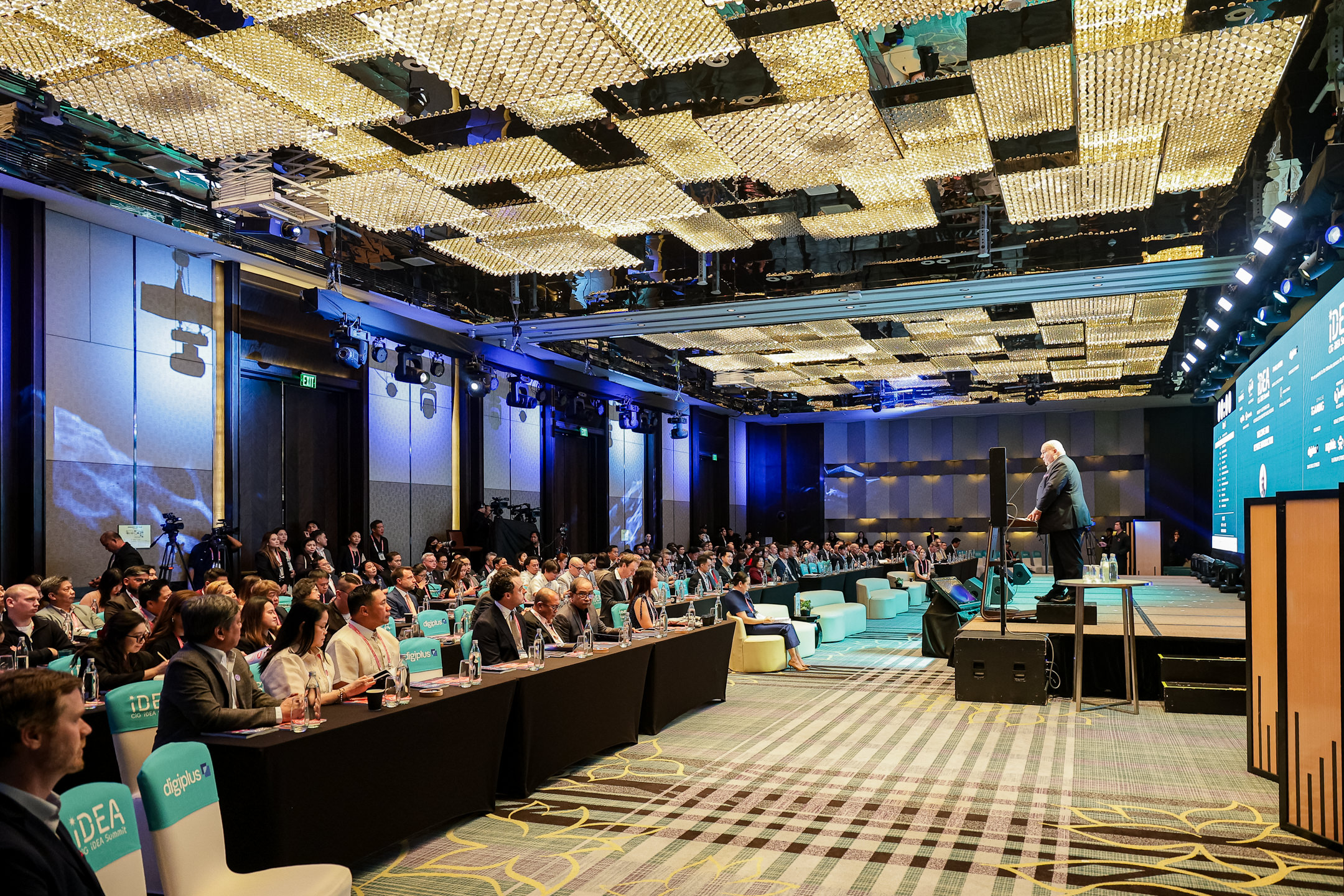
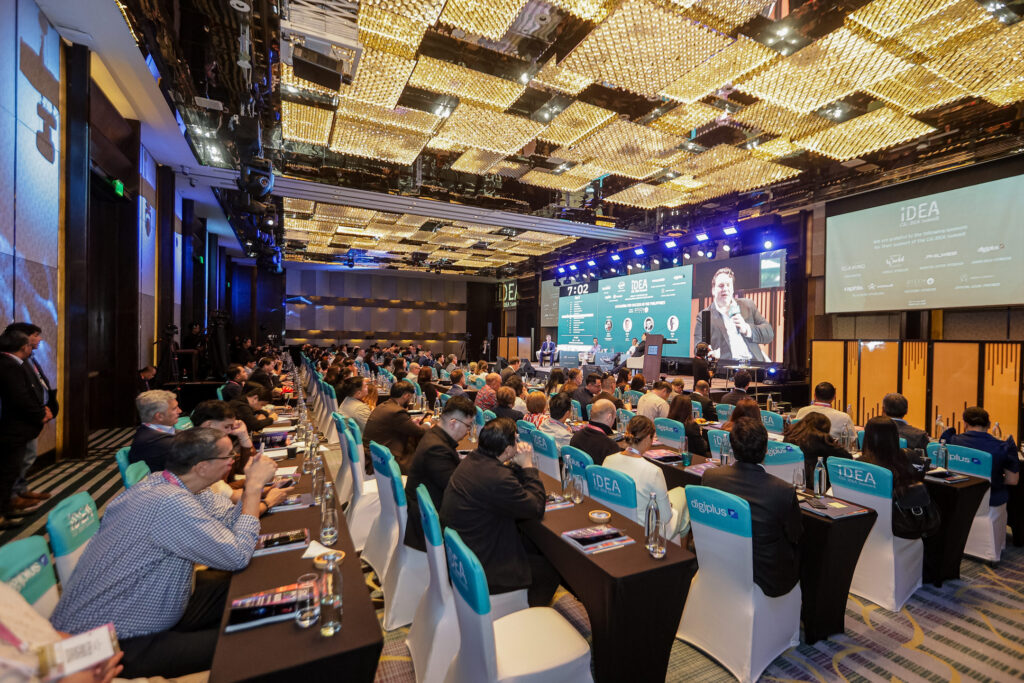
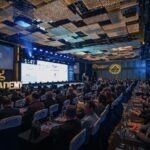
The inaugural CiG iDEA Summit, presented by Complete iGaming, made a confident debut today at the Hilton Ballroom, Newport World Resorts, opening IAG EXPO 2026 with a full day of regulatory and commercial insight into Asia-Pacific’s expanding igaming sector.
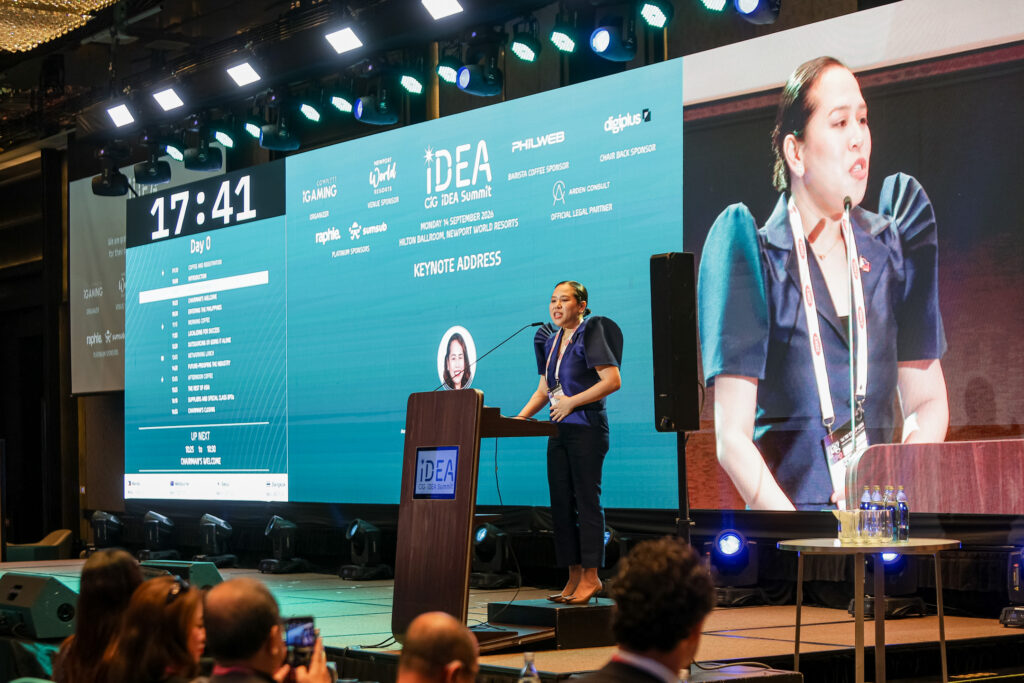
Complete iGaming CEO Andrew W Scott welcomed delegates before PAGCOR Assistant Vice President, Remote Operations and Ancillary Services Department Jessa Mariz R. Fernandez delivered an eloquent and expansive keynote address, outlining the regulator’s evolving remote operations framework. This publication’s own Senior Contributing Editor, Kelsey Wilhelm, opened proceedings as Summit Chairman.

A fireside chat moderated by Ben Blaschke examined the practicalities of entering the Philippine market, featuring Arden Consult founder Marie Antonette Quiogue and GLI Asia Pacific’s Richard Howarth. The localization panel that followed, featuring PhilWeb Corp. President Brian Ng, Casino Plus CEO Evan Spytma and DigiPlus Chief Global Growth Officer Erick Su, underscored the importance of market-specific content.
The following session weighed the merits of outsourcing platform operations against building in-house, with input from Syntril Founder Laurent Fresnel, Newport World Resorts’ VP of Online Gaming operations Mark Gilbert and Gameworkz Founder Shaun Mccamley
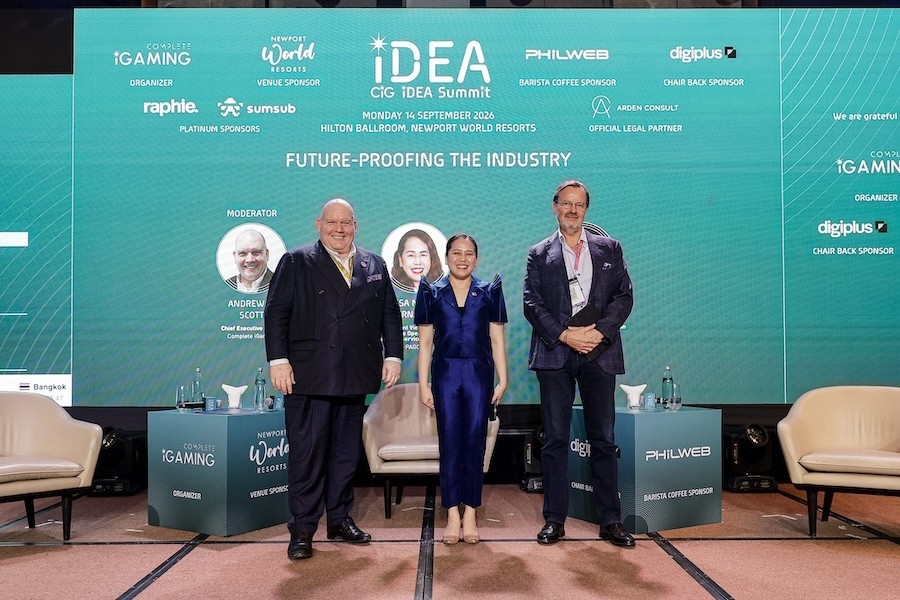
In a highly praised session PAGCOR’s Fernandez returned alongside NYCE’s Harmen Brenninkmeijer to discuss future-proofing the industry. The following panel explored licensing developments across Asia-Pacific, with insights from Addisons Senior Foreign Lawyer Samuel Gauci, Entain Australia & New Zealand Director of Industry & External Affairs Andrew Hannan and MediaPro VP of Sales Danny Too.


The closing session, moderated by Tonet Quiogue turned to the role of suppliers and Special Class BPOs in the Philippines’ regulatory architecture.
By the time the day’s Chairman delivered the closing remarks, the summit had more than met its brief: a packed ballroom, substantive discussion across every session, and a sponsor and speaker roster spanning regulators, operators and suppliers alike.
By the end of the day, nearly 700 individual IAG EXPO participants had picked up their badges, with a steady flow of attendees moving in and out of the Hilton Manila ballroom throughout today’s summit

For a first-year event, the CiG iDEA Summit’s debut was a resounding success — a strong signal of things to come as IAG EXPO continues through the week.

Dig Deeper
Related stories
 2026/08/30: Complete iGaming announces full program for igaming-focused CiG iDEA Summit at IAG EXPO in Manila on Monday 14 September
 2026/09/09: Official Sponsors announced for inaugural CiG iDEA Summit at Newport World Resorts on Monday 14 September
 2026/08/13: Complimentary access opened to all three IAG EXPO summit days in 2026, including igaming-focused CiG iDEA Summit
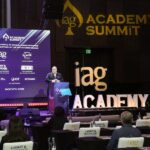 2026/09/01: IAG confirms complimentary access to all three IAG EXPO summit days in 2026
2026/08/30: Complete iGaming announces full program for igaming-focused CiG iDEA Summit at IAG EXPO in Manila on Monday 14 September
2026/09/09: Official Sponsors announced for inaugural CiG iDEA Summit at Newport World Resorts on Monday 14 September
2026/08/13: Complimentary access opened to all three IAG EXPO summit days in 2026, including igaming-focused CiG iDEA Summit
2026/09/01: IAG confirms complimentary access to all three IAG EXPO summit days in 2026
The Backstory
A summit built around a market in transition
The debut of the CiG iDEA Summit at Newport World Resorts did not emerge in isolation. It was the product of a year in which the Philippines’ online gaming market moved from rapid expansion toward a more formalized regulatory phase, with the Philippine Amusement and Gaming Corp. seeking to define how remote operations, suppliers and related service providers fit into a sustainable framework.
That made the timing significant. When Complete iGaming first announced the new one-day CiG iDEA Summit focused on Asia-Pacific iGaming regulation, the event was positioned as a forum for market structure, compliance, technology and long-term growth. The Philippines was placed at the center of the agenda because it has become one of the region’s most closely watched test cases: a jurisdiction where licensed land-based operators, digital platforms, business process outsourcing firms and technology suppliers are being drawn into a more defined online gaming ecosystem.
The summit also reflected a broader regional shift. Across Asia-Pacific, governments have increasingly been weighing the fiscal and consumer-protection benefits of regulated online gaming against the political and enforcement risks of an uncontrolled market. New Zealand’s move toward a regulated iGaming model gave the Manila program a regional frame, but the operational questions were most immediate in the Philippines, where PAGCOR’s evolving rules have direct implications for integrated resorts, suppliers and digital-first gaming companies.
Why the program mattered before doors opened
By the time organizers released the full CiG iDEA Summit program for Sept. 14, 2026, the event had taken shape as a practical examination of market entry rather than a generic conference on growth. PAGCOR Assistant Vice President for Remote Operations Jessa Mariz R. Fernandez was set to open the day with a keynote, giving the regulator a central role in framing the discussion. Her placement on a later session about future-proofing the industry also underscored that regulation was not treated as a one-off compliance issue but as a continuing determinant of market viability.
The agenda moved from entry requirements to localization, operating models and regional expansion. That structure reflected the sequence facing companies looking at the Philippines: first understanding licensing and permissible structures, then adapting products for Filipino players, then deciding whether to build online capabilities internally or use specialized partners. Those questions are not theoretical for integrated resorts that have long focused on physical gaming floors but now must decide how far to extend their brands into remote operations.
The program’s lineup also showed how many parts of the industry are now implicated in online gaming regulation. Law firms, testing labs, platform operators, casino executives, BPO specialists, fraud-prevention providers and aggregators all had a stake in the rules being discussed. That range mattered because the Philippine model is not simply about issuing licenses to operators. It also depends on how supporting infrastructure is supervised, including Special Class BPOs and technology vendors whose systems can determine whether compliance is embedded or treated as an afterthought.
Exhibition pause shifted attention to content
The summit’s first year coincided with a significant change to the broader IAG EXPO format. Inside Asian Gaming, the source for the IAG EXPO updates, said the exhibition component would pause for 2026 because Newport World Resorts had commitments tied to the Philippines’ chairmanship of the Association of Southeast Asian Nations political conference, alongside delays linked to the Iran crisis. The exhibition is scheduled to return Sept. 14 and 15, 2027.
That change altered the event’s center of gravity. Instead of an exhibition-led gathering supplemented by education sessions, the 2026 edition became more dependent on summits, awards and invitation-only forums. Organizers responded by opening complimentary access to all three IAG EXPO summit days for approved trade visitors and delegates. The move gave the new CiG iDEA Summit a larger potential audience than a first-year paid forum might normally attract.
A later reminder that IAG had confirmed complimentary access for the three summit days reinforced the strategic choice. Standard summit pricing is due to return in 2027, but in 2026 the goal was to keep the industry engaged during a difficult period for the Philippine market and to give the new iGaming forum immediate scale. That helped explain why the eventual turnout became part of the summit’s significance: attendance was not only a measure of event execution but also a signal of industry appetite for regulatory clarity.
Sponsors reflected the industry’s operating map
The commercial backing announced before the event also offered a snapshot of where the Philippine online gaming market is heading. Complete iGaming’s announcement of the official sponsors for the inaugural summit included Newport World Resorts as venue sponsor, PhilWeb Corp., DigiPlus Interactive Corp., Raphie, Sumsub, QTech Games and Arden Consult as legal partner. The mix was notable because it spanned venue, platform infrastructure, consumer-facing digital entertainment, compliance technology, content aggregation and legal advisory.
PhilWeb’s role pointed to the importance of platform technology and licensed infrastructure in the local market. DigiPlus represented the domestic digital-entertainment operators that have helped normalize online gaming products among Filipino consumers. Sumsub and Raphie highlighted the operational pressures that come with scale: identity checks, fraud prevention, risk monitoring and customer support that can satisfy regulators while maintaining player retention. QTech’s presence underscored the role of aggregators in supplying content to regulated markets, while Arden Consult’s involvement reflected the complexity of licensing and market-entry strategy.
In that sense, the sponsor roster mirrored the summit’s thesis. The Philippines’ online gaming opportunity is not defined only by demand. It also depends on whether firms can assemble compliant operating models, localize products, manage responsible growth and connect with licensed infrastructure. Those requirements create barriers to entry but also give professionalized suppliers and advisers a larger role as regulation matures.
The stakes for PAGCOR and the region
PAGCOR’s role is central because the regulator is balancing several pressures at once. It must support legal online gaming as a channel for investment and government revenue while addressing concerns over consumer protection, illegal operators, cross-border activity and reputational risk. A framework that is too permissive could invite political backlash and enforcement problems. A framework that is too restrictive could push activity offshore or into unregulated channels.
The summit’s focus on sustainability reflected that tension. In emerging iGaming markets, early growth can produce inflated expectations, particularly when operators and suppliers rush to capture share before rules stabilize. The Philippine debate has therefore shifted from whether online gaming will grow to how that growth should be governed. Questions around local content, outsourced operations, supplier accreditation and BPO oversight all feed into the same issue: whether the market can expand without undermining the regulatory legitimacy on which it depends.
For Asia-Pacific, the Philippines offers a reference point. Other jurisdictions considering online gaming regulation will watch how PAGCOR manages licensing, enforcement and industry cooperation. Operators will watch whether clear rules create a scalable market. Suppliers will watch whether compliance-heavy investment is rewarded. The CiG iDEA Summit’s debut mattered because it gathered those constituencies at a moment when policy, technology and commercial strategy are becoming inseparable in the region’s iGaming sector.
