
Guardians pitchers accused of pitch-rigging scheme to face trial in 2026

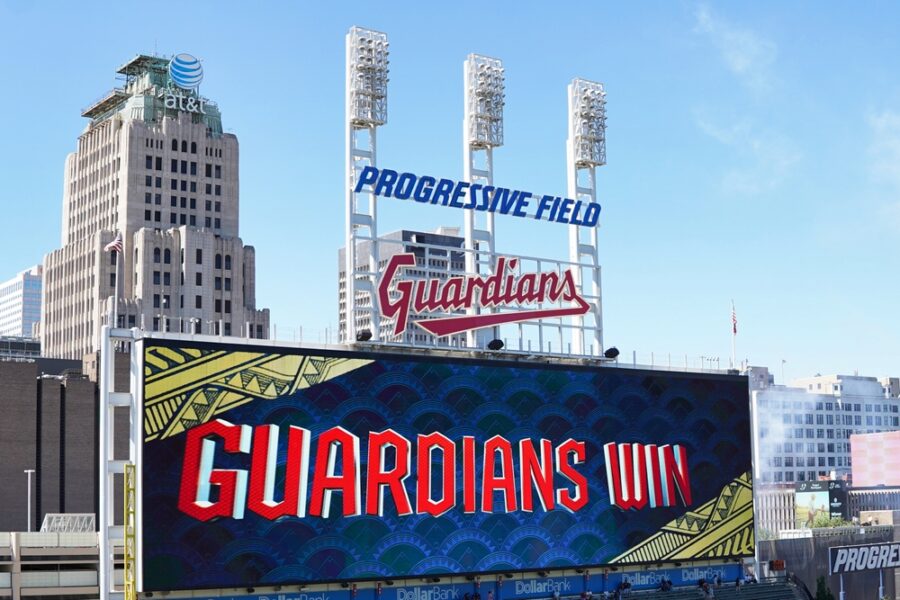
Cleveland Guardians pitchers Emmanuel Clase and Luis Ortiz will stand trial on May 4, 2026, on federal charges alleging they manipulated pitches to help bettors’ profit.
Judge Kiyo Matsumoto set the date during a status hearing in Brooklyn, estimating the proceedings will last about two weeks. Both players appeared in court, and federal prosecutors said no plea deals had been offered.
According to the indictment, Clase began coordinating with bettors in 2023, providing advance details on specific pitches during MLB games.
Investigators said the bettors placed high-value prop wagers based on the speed and type of pitches they expected him to throw. Clase allegedly delivered agreed-upon first-pitch balls by throwing into the dirt and well outside the strike zone.
Authorities stated that the scheme resulted in at least US$400,000 in fraudulent winnings for the group, with Clase receiving bribes and kickbacks.
Ortiz, who also pleaded not guilty, allegedly agreed to throw balls instead of strikes in two games in exchange for payments. His involvement, outlined in the indictment, included coordinating with bettors ahead of appearances to influence prop-bet outcomes.
Investigators said that both pitchers communicated with co-conspirators during games to ensure that rigged pitches were executed as planned.
As a result of the arrests, MLB and US sportsbooks agreed to introduce a nationwide prop bet limit of US$200 on bets placed on individual baseball pitches, and prohibit such wagers from inclusion in parlays.
Abi Bray brings strong researching skills to the forefront of all of her writing, whether it’s the newest slots, industry trends or the ever changing legislation across the U.S, Asia and Australia, she maintains a keen eye for detail and a passion for reporting.

Verticals:
Sectors:
Topics:
Dig Deeper
Related stories
 2025/09/02: Guardians pitchers remain on indefinite leave amid MLB gambling probe
2025/11/12: MLB and sportsbooks set a nationwide US$200 limit on pitch bets
2025/07/30: Second Cleveland Guardians pitcher on leave for gambling investigation
2025/11/10: Two Major League Baseball players charged in pitch-fixing case
2025/09/02: Guardians pitchers remain on indefinite leave amid MLB gambling probe
2025/11/12: MLB and sportsbooks set a nationwide US$200 limit on pitch bets
2025/07/30: Second Cleveland Guardians pitcher on leave for gambling investigation
2025/11/10: Two Major League Baseball players charged in pitch-fixing case
 2025/09/02: Guardians pitchers remain on indefinite leave amid MLB gambling probe
 2025/11/12: MLB and sportsbooks set a nationwide US$200 limit on pitch bets
2025/07/30: Second Cleveland Guardians pitcher on leave for gambling investigation
2025/11/10: Two Major League Baseball players charged in pitch-fixing case
2025/11/12: MLB and sportsbooks set a nationwide US$200 limit on pitch bets
2025/07/30: Second Cleveland Guardians pitcher on leave for gambling investigation
2025/11/10: Two Major League Baseball players charged in pitch-fixing case
The Backstory
How suspicions over single pitches turned into a federal case
Major League Baseball’s inquiry into the Cleveland Guardians deepened in June when integrity monitors flagged irregular wagers tied to outcomes on individual pitches. That initial red flag involved reliever Luis Ortiz, whose outings showed betting anomalies on prop markets such as first-pitch results and velocity. As scrutiny widened, the league placed Ortiz on paid leave in early July, then added All-Star closer Emmanuel Clase later that month. MLB emphasized the moves were non-disciplinary while investigators reviewed betting activity and communications around specific pitch events. The Guardians amplified the update, saying the club would not comment further until the probe concluded. The sequence is documented in a roundup on the extended leave for the two pitchers, which details the fast-moving timeline and Ohio regulators’ early involvement in the case. Read the league’s posture and the team’s statement in Guardians pitchers remain on indefinite leave amid MLB gambling probe: MLB extends paid leave for Emmanuel Clase and Luis Ortiz.
MLB’s leave decisions followed the first public step involving Ortiz on July 3, when he was sidelined amid what was then described as a gambling investigation. Weeks later, the Guardians announced Clase had been placed on paid leave through Aug. 31 while MLB continued its review. The episode underscored how quickly a single integrity alert can pull an All-Star into a criminal and regulatory vortex. For a snapshot of that phase, see the team’s Aug. 31 update in Second Cleveland Guardians pitcher on leave for gambling investigation: Guardians place Clase on non-disciplinary leave.
From internal probe to indictments
What began as a league matter escalated when federal prosecutors charged both pitchers in a scheme to manipulate pitch outcomes for betting profit. Authorities alleged Clase shared advance details about pitch selection and location and sometimes threw deliberate balls to steer micro-bet markets. Ortiz allegedly joined later, agreeing to throw balls instead of strikes in exchange for payments. Prosecutors said the setup generated six-figure winnings for bettors while funneling kickbacks to players, and they leveled wire fraud conspiracy, honest services wire fraud, sports bribery and money laundering counts. The charging documents framed the case as a breach of public trust and a direct threat to the integrity of the sport. For the initial charging details, see Two Major League Baseball players charged in pitch-fixing case: Federal counts outline alleged pitch-rigging.
The alleged conduct focused on micro-markets that reward granular knowledge. According to the indictment as reported by multiple outlets, both pitchers communicated with co-conspirators before and during games to coordinate first-pitch balls and pitch characteristics that gamblers could target through prop bets. The approach mirrored patterns seen in other sports betting scandals, where micro-bets create narrow, controllable outcomes with outsize payouts. Prosecutors emphasized not only the money at stake but also the erosion of confidence in fair competition when a single pitch can be sold.
League and industry clamp down on micro-bets
MLB and major sportsbook operators moved to contain the fallout with a policy shift aimed squarely at pitch-level markets. The sides agreed to implement a nationwide $200 limit on individual pitch bets and to prohibit those wagers from being bundled into parlays. The limits cover top operators such as Bally’s, BetMGM, Caesars, DraftKings, FanDuel and Penn Entertainment, which updated their offerings shortly after the announcement. The league cast the move as a systemic guardrail against manipulation, calling these markets “particularly vulnerable” to integrity concerns. For details on the new cap and industry response, see MLB and sportsbooks set a nationwide US$200 limit on pitch bets: MLB, books curb pitch-level wagering.
The policy draws a line between the betting ecosystem’s growth and the need for controls when athletes can influence narrowly defined outcomes. It also signals the league’s effort to coordinate with regulated operators rather than leave patchwork rules to state-by-state regulators. By shrinking the financial incentive and removing parlays—where small edges can scale—the industry is betting that sharper limits can blunt the appeal of tampering.
Ohio regulators and political pressure raised the stakes
Ohio moved quickly as the investigation centered on a Cleveland team. The state’s Casino Control Commission joined MLB’s probe and opened its own review, highlighting the expanding role of regulators when betting activity intersects with potential game manipulation. Ohio Gov. Mike DeWine amplified the pressure, urging removal of certain prop bets from the state’s catalog and pushing for a broader reevaluation of micro-proposition markets. The state’s posture featured prominently in coverage of the players’ extended leave and the regulatory fallout. See the regulatory reaction in Guardians pitchers remain on indefinite leave amid MLB gambling probe: Ohio joins probe, weighs prop-bet restrictions.
DeWine later welcomed MLB’s $200 pitch-bet cap, framing it as a league-led model for other sports. That created a policy through line: an integrity alert in June, leave designations in July and August, and a nationwide betting restriction by late summer, all while state officials pressed for stronger safeguards. The alignment among league, regulators and books suggests this case could shape how micro-bet markets are designed across sports, not only in baseball.
Wider integrity warning lights beyond baseball
The Guardians case landed amid a broader wave of collegiate and professional betting incidents, offering a cautionary context. In men’s college basketball, a former University of New Orleans guard described point-shaving during the 2024–25 season, saying he intentionally missed shots to affect the spread after being approached by a bettor. The NCAA revoked eligibility for multiple players tied to the scheme following suspicious wagering flagged by sportsbooks. That episode illustrates how micro and player-level markets can draw in athletes with direct control over discrete events or stats. For the college basketball developments, see College basketball player admits to purposely missing shots as part of sports betting scheme: Ex–UNO guard recounts point-shaving.
The parallel is not perfect—point spreads differ from pitch props—but both involve highly controllable outcomes that can be influenced without necessarily altering the game’s final result. Regulators and leagues now treat these markets as higher risk, warranting tighter controls and enhanced monitoring. The cascading responses show how one high-profile case can accelerate policy change across the industry.
What changed once charges hit—and what to watch next
The progression from suspicious betting alerts to paid leave to criminal charges marked a clear escalation. After indictments, the narrative centered on alleged coordination with gamblers, bribe payments and communications during games. The stakes rose beyond MLB discipline to potential prison time, asset forfeiture and lifetime reputational harm. For charging specifics, revisit Two Major League Baseball players charged in pitch-fixing case: Prosecutors allege six-figure betting fraud.
In parallel, MLB’s pitch-prop overhaul shows how quickly the business of betting can shift under integrity pressure. The $200 cap and parlay ban, detailed in MLB and sportsbooks set a nationwide US$200 limit on pitch bets: Nationwide limits take effect, aim to dampen the financial lure while preserving regulated markets. With regulators engaged and sportsbooks recalibrating, the outcome of the criminal case will help determine whether tighter limits suffice or whether leagues and states move to bar certain micro-bets altogether.
The path from midseason leave to policy change and indictments lays out the stakes: integrity safeguards now sit at the center of how professional sports and legal betting coexist. What happens next will shape not just MLB’s rulebook, but the architecture of micro-wagering across the U.S.


