


Fanatics to ban sports bettors who abuse athletes, coaches or officials on social media

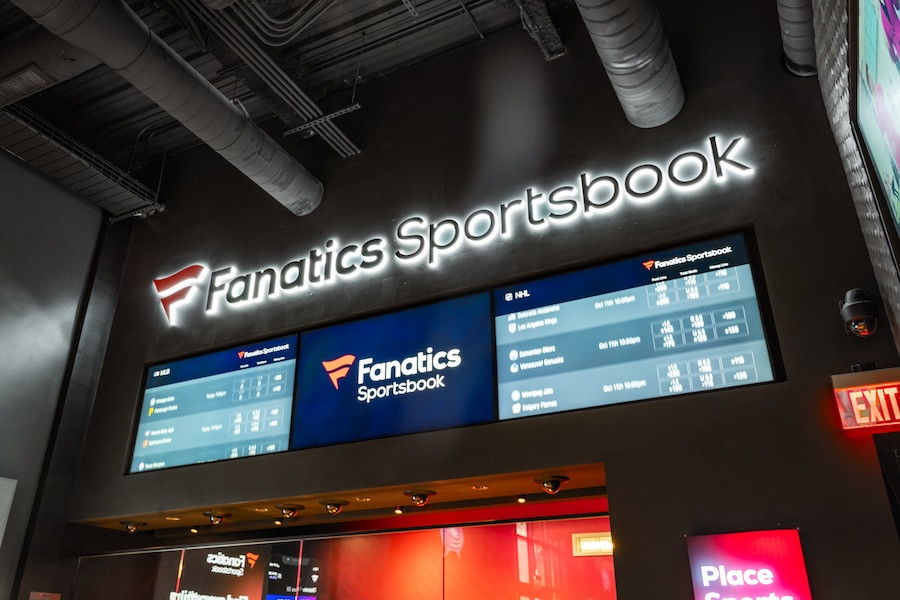
Fanatics Sportsbook has partnered with betting integrity firms IC360 and Signify Group to launch its Bad Actor Program, aimed at rooting out sports bettors who abuse athletes, coaches, or officials online.
Fanatics said that the program is set to start at the beginning of the next football season. It will use Signify Group’s Threat Matrix service to monitor social media platforms for abuse or threats directed at athletes and other individuals in sport.

When qualifying incidents are identified, those responsible will be added to IC360’s ProhiBet Bad Actor platform, which participating sportsbooks can use to restrict betting activity by those same users.
The monitoring will include public posts and conversations on multiple platforms, including X, Instagram, Facebook, TikTok and YouTube. Athletes and officials will also be able to report abusive messages directly and serious cases may be referred to law enforcement.
Fanatics added that customers who are found to have engaged in abusive, threatening, defamatory, or harassing conduct could have their betting accounts closed or suspended.

“This groundbreaking program will hold bettors accountable for threats made against players, coaches, and officials. It falls in line with our core values at Fanatics – respect and tolerance for the athletes and coaches that play the games that we love,” said Matt King, Chief Executive of Fanatics Betting and Gaming.
“We encourage other operators to join the initiative because there is no sports betting potential loss that should embolden a sports betting customer to threaten or harass an athlete online” furthered the executive.
Earlier this year, BetMGM also introduced its own policy to tackle athlete abuse, banning accounts that have been found to use abusive language against athletes.
Charlotte Capewell brings her passion for storytelling and expertise in writing, researching, and the gambling industry to every article she writes. Her specialties include the US gambling industry, regulator legislation, igaming, and more.

Dig Deeper
Related stories
 2025/06/11: March Madness sports betting abuse down 23%, according to NCAA
 2025/05/21: Athletes to be protected from negative prop bets, NCAA reveals
 2025/06/12: Scottie Scheffler closes Venmo account following harassment by sports bettors
 2026/02/03: BetMGM introduces athlete anti-harassment policy for its users
2025/06/11: March Madness sports betting abuse down 23%, according to NCAA
2025/05/21: Athletes to be protected from negative prop bets, NCAA reveals
2025/06/12: Scottie Scheffler closes Venmo account following harassment by sports bettors
2026/02/03: BetMGM introduces athlete anti-harassment policy for its users
The Backstory
Sports betting’s social media problem reaches the account level
Fanatics’ move to bar bettors who abuse athletes, coaches or officials online puts a sharper enforcement tool behind an issue that leagues, colleges and operators have been trying to contain since legal sports betting expanded across the U.S. The policy links social media conduct to sportsbook access, creating a potential consequence beyond platform moderation or public condemnation.
The timing is significant. Sports betting has become more embedded in live broadcasts, team partnerships and fan communities, while athletes have become easier to reach through public and direct messaging channels. That has exposed players and officials to harassment tied to lost wagers, missed props and late-game outcomes. The abuse often arrives minutes after a game ends, sometimes from accounts that identify themselves as bettors.
Until recently, the response was fragmented. Leagues could condemn harassment, teams could offer support and social platforms could remove posts that violated their rules. Sportsbooks generally focused on responsible gambling tools, account integrity and compliance obligations. Fanatics’ approach moves the conduct question into the betting ecosystem itself: if a customer uses betting as a basis to threaten or harass someone in sport, the operator may restrict that customer’s ability to bet.
NCAA monitoring showed the scale and limits of intervention
The clearest recent benchmark came during March Madness, when the NCAA used monitoring tools to measure abuse aimed at athletes, coaches, teams and officials across major platforms. According to NCAA data on March Madness betting abuse, betting-related abuse fell 23% across all athletes from the prior comparison period, suggesting monitoring and deterrence can have an effect.
The details were more complicated. Total abuse directed at male athletes rose 140%, even as betting-specific abuse against them fell 36%. For female athletes, total abuse dropped 83%, while betting-related abuse declined 66%. The results showed that betting harassment is a distinct problem within a broader culture of online abuse. It also showed that tracking tools can help institutions understand where the abuse is concentrated and when it spikes.
The NCAA’s work with Signify Group’s threat-monitoring technology helped establish a model now moving into sportsbook enforcement. Monitoring public posts on X, Instagram, TikTok and other platforms can identify threatening or abusive content that otherwise might not reach teams or regulators quickly. But monitoring alone does not solve the problem. The next step is deciding who acts on the information and what penalty follows.
That is where Fanatics’ program is notable. By using Signify Group to identify abuse and IC360’s ProhiBet platform to share information with participating operators, the model could turn a single abusive post into a marketwide compliance signal. If more sportsbooks join, abusive bettors may find that online conduct affects their ability to maintain accounts across several brands, not just one.
Operators are under pressure from two directions
The abuse initiative arrives as major sportsbooks face growing scrutiny over how they acquire, retain and manage customers. On one side, teams and athletes want protection from bettors who treat gambling losses as justification for threats. On the other, public officials and responsible gambling advocates are pressing operators over marketing practices, player data and inducements.
That pressure is visible in Maryland, where Baltimore officials sued DraftKings and FanDuel, alleging that the companies exploited vulnerable bettors through promotions and data-driven targeting. The lawsuit, described in Baltimore’s claims against DraftKings and FanDuel, accuses the operators of using bonus bets to attract users and then targeting people showing signs of gambling addiction with further promotions.
The allegations are separate from athlete abuse, and the companies have not been found liable. But together, the issues point to the same regulatory question: how much responsibility should sportsbooks bear for customer conduct after registration? If operators can use data to personalize promotions, critics argue they can also use data and third-party tools to identify dangerous behavior, intervene with at-risk customers and cut off those who threaten people in sport.
For sportsbooks, that creates a balancing act. They compete aggressively for market share in states where customer acquisition remains expensive. Yet their long-term licenses depend on showing regulators, leagues and the public that betting can be offered without normalizing harassment or exploiting harm. Programs targeting abusive bettors allow operators to present a safer-market argument, but they also invite questions about consistency, due process and how evidence is reviewed before an account is suspended or closed.
Responsible gambling is expanding beyond the customer
Responsible gambling programs historically focused on the bettor: deposit limits, self-exclusion, time-outs and addiction resources. The rapid growth of sports wagering has widened that frame. Athletes, officials and coaches are now part of the risk environment because they can be targeted by bettors and, in some cases, approached for information or manipulation.
That broader view was evident in Puerto Rico, where BetMGM, Casino del Mar and former NBA guard Carlos Arroyo launched training for professional athletes after sports betting became legal on the island. The session, covered in BetMGM’s responsible gambling training for Puerto Rican athletes, featured former college basketball player Stevin “Hedake” Smith, who served prison time for accepting bribes to fix games and now works with EPIC Global Solutions.
The training underscored how integrity and gambling harm overlap. Athletes must understand betting rules, avoid compromising situations and recognize when gambling creates pressure around their performance. Operators benefit from such education because integrity failures can damage trust in their product. Leagues benefit because scandals or harassment can undermine competition and athlete welfare.
Fanatics’ enforcement program fits into that evolution. Rather than treating harassment solely as a content-moderation issue, it treats abusive betting-related conduct as a threat to the sports betting environment. The practical challenge will be distinguishing angry but nonthreatening complaints from abuse that warrants account action. Clear standards will matter, particularly if account bans are shared across operators through an integrity platform.
Marketing, influencers and online culture add to the risk
The same social platforms that expose athletes to abuse also drive betting engagement. Operators, affiliates and media brands use creators to promote picks, explain odds and entertain fans. That can make betting feel more social and accessible, but it can also normalize unrealistic behavior, especially when influencers promote long-shot parlays or high-stakes wagers without context.
At SBC Summit Americas, industry executives debated whether influencer marketing can support player engagement without undermining responsible gaming. As detailed in a discussion on the regulation of betting influencers on social media, panelists warned that content showing unattainable bet sizes or improbable wins can mislead audiences and encourage risky behavior.
That matters for athlete abuse because online betting culture can blur the line between entertainment and entitlement. A bettor who follows picks in real time, posts slips publicly and interacts with creators may experience a losing wager as part of a public performance. When athletes are tagged into those reactions, the result can be harassment that spreads quickly and becomes difficult to contain.
Australia offers another illustration of the politics around social media and gambling exposure. Reporting on links between a youth social media campaign and a gambling advertising firm highlighted tensions in a market where policymakers have moved on youth platform restrictions while gambling ad reforms have been slower. The issue differs from U.S. sportsbook account bans, but the underlying concern is similar: social media has become a central battleground for gambling influence, protection and accountability.
The stakes for a regulated market
Fanatics’ program could become a template if other operators join and regulators view it as a credible safeguard. A shared bad-actor system would give sportsbooks a way to act against harassment without waiting for criminal thresholds to be met. It could also reassure leagues that betting partners are willing to protect the people who make the product possible.
The risks are equally clear. Enforcement based on social media activity can raise questions about identity verification, false positives, appeals and proportionality. Operators will need defensible procedures, particularly if serious cases are referred to law enforcement or if customers are excluded from multiple betting platforms. Transparency will be essential to prevent the program from appearing arbitrary.
Still, the direction of travel is evident. As sports betting matures, operators are being judged not only by whether they follow licensing rules, but by how they manage the external harms tied to their products. Athlete abuse, aggressive promotions, influencer content and integrity education are no longer separate debates. They are parts of the same test facing the industry: whether it can grow without shifting unacceptable costs onto players, officials and vulnerable customers.
