Crypto scams estimated to cost Americans US$80.7 billion in 2025

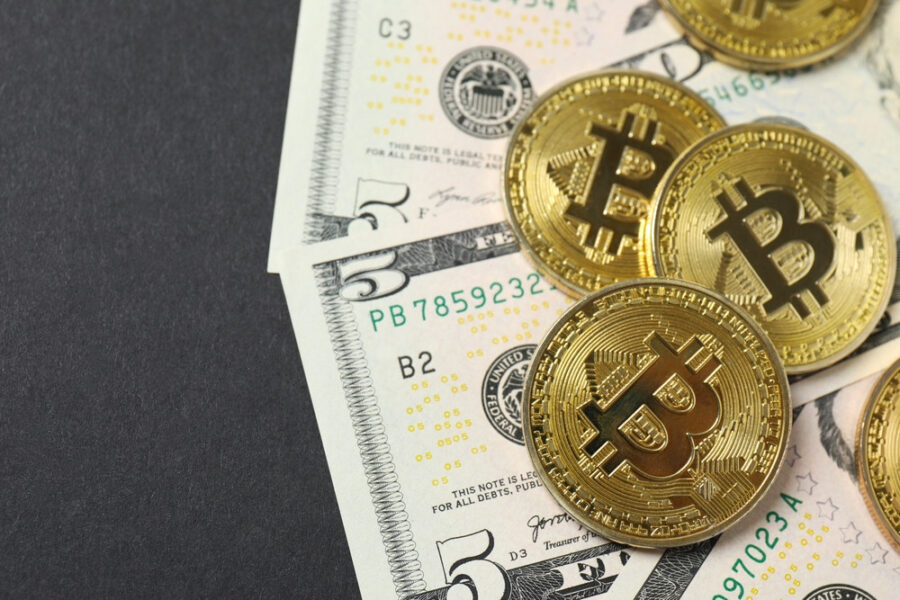
Crypto scams account for over half of all cybercrime losses, according to data from the Consumer Federation of America, costing Americans an estimated US$80.7 billion last year.
In a report published this week – The Scam Economy: The True Cost of Online Scams and Crimes in America – the Consumer Federation of America found that, due to under-reporting, the US$11.4 billion in losses reported to the FBI in 2025 is likely to be at least seven times higher.

The association of non-profit consumer organizations found Americans lost an estimated US$148.2 billion to online scams and crimes in total, up 25.8% from 2024. Alongside crypto, AI-enabled fraud – which was measured for the first time – was found to be responsible for US$6.3 billion in losses.
Investment fraud was cited as the largest single contributor to crypto scam losses, with US$8.6 billion reported to the FBI, equating to an estimated US$61.4 billion when adjusted for under-reporting, up 32% on 2024.
Citing data from the Better Business Bureau, the report spotlighted that Meta’s platforms — Facebook at 57%, Instagram at 22%, and WhatsApp at 8% — were the top three online platforms associated with scams.

The Consumer Federation of America is in the process of suing Meta, through a class action, for failing to protect users from scam advertisements.
While the new report focuses on losses in the US, the problem has made the news worldwide, prompting authorities to join forces to combat a threat that isn’t going away.
In Asia, China recently announced a new alliance to combat online fraud, including crypto, inviting nations to join its already-40-strong group it intends to solidify in September. This comes as increased activity in Cambodia spotlights online fraud issues due to scam compounds and the threat they create as they shift onwards once jurisdictions begin to target them.

Dig Deeper
Related stories
 2025/05/19: BetHog: Prospecting on the crypto gambling frontier
 2026/04/08: Paysafe launches crypto payments for US gambling sector
 2025/09/10: Most Americans think prediction markets should be regulated as sports betting
 2025/10/31: Better Business Bureau reports over 10,000 complaints linked to online gambling
2025/05/19: BetHog: Prospecting on the crypto gambling frontier
2026/04/08: Paysafe launches crypto payments for US gambling sector
2025/09/10: Most Americans think prediction markets should be regulated as sports betting
2025/10/31: Better Business Bureau reports over 10,000 complaints linked to online gambling
The Backstory
Crypto’s growth has collided with gambling’s digital expansion
The scale of crypto-related fraud now being estimated in the U.S. reflects two trends that have been building for years: wider consumer ownership of digital assets and the rapid migration of gambling, gaming and financial speculation onto online platforms. Cryptocurrency has moved from a niche asset class into a mainstream payments and investment product, while sports betting and igaming have become routine consumer activities in much of the country. That overlap has created a larger target for scammers and a more complicated environment for regulators.
Crypto’s appeal in gambling is not theoretical. Digital payments company Paysafe recently launched Pay with Crypto for U.S. online gaming operators, allowing players to connect wallets and fund accounts with cryptocurrencies or stablecoins where permitted. The product converts deposits into U.S. dollars before they reach gaming accounts, a structure designed to keep operators inside the existing regulated payments framework. Paysafe cited large-scale consumer ownership of crypto and strong interest among players in using digital assets as a payment method.
That kind of regulated conversion model underscores the central tension in the market. Players want faster payments and access to digital balances they already hold. Operators want lower costs and fewer transaction failures. Regulators, meanwhile, are trying to distinguish between legitimate crypto payment rails and the fraud-heavy ecosystem that has developed around anonymous wallets, offshore sites and high-pressure investment pitches.
Legal gambling has expanded faster than consumer understanding
The rise in online betting has broadened the pool of consumers exposed to digital gambling products. A Siena Research Institute survey found that more than a quarter of Americans have an active online sports betting account, up from about one in five two years earlier. The data showed particularly high participation among men between 18 and 49, a group that also overlaps with crypto adoption and high-risk trading behavior.
As legal betting has become more common, the line between licensed operators, offshore gambling sites, sweepstakes-style games, social casinos, prediction markets and outright scams has become harder for consumers to parse. State-by-state gambling laws add another layer of confusion. A customer may see a sports betting ad from a licensed operator in one jurisdiction, a social media promotion for a crypto casino in another and a fraudulent investment scheme dressed up as a gaming opportunity on the same platform.
The Better Business Bureau has already warned that complaints are climbing with the growth of virtual betting and gaming options. It said it had received more than 10,000 complaints tied to online gambling and gaming, involving hidden terms, inaccessible operators, theft and losses reaching tens of thousands of dollars. The group specifically identified cryptocurrency payments, unrealistic payout promises, overseas operators and vague advertising as warning signs.
Those warnings matter because crypto payments are hard to reverse, and many scam operators exploit that feature. A credit card dispute or bank transfer investigation can offer consumers some recourse. A wallet-to-wallet crypto transaction generally cannot. Once funds move through mixers, offshore exchanges or layered accounts, recovery becomes difficult even for law enforcement.
Offshore crypto casinos exposed a regulatory gap
The regulated U.S. gambling market has been cautious about crypto, but offshore operators have not waited. Crypto casinos have grown by offering instant deposits, low-cost transfers, large bonuses and products that can be launched quickly without state-level approvals. That offshore growth has created a competitive and regulatory challenge for licensed companies that face strict rules on payments, identity checks, responsible gambling and game certification.
Inside the sector, some entrepreneurs argue the regulated market’s reluctance to embrace crypto has pushed innovation offshore. Nigel Eccles, the FanDuel co-founder now leading BetHog, described that dynamic in a profile of BetHog’s push into crypto gambling. The company operates outside regulated markets and uses blockchain technology to move money faster and more cheaply than traditional payment processors. Eccles argued that existing regulatory systems slow product development and raise costs, while crypto-native platforms can launch games and payment features more quickly.
That argument reflects a broader industry view that crypto could reduce payment friction, especially for high-volume gaming businesses. But the same features that make blockchain attractive to operators — speed, global reach and fewer intermediaries — also make it attractive to fraud networks. Offshore crypto gambling sites can be difficult to police, particularly when they serve consumers in jurisdictions where they are not licensed and rely on digital assets rather than banking rails.
The result is a divided market. Regulated operators are experimenting with crypto-to-cash models that keep wagers denominated in dollars and subject to existing compliance rules. Offshore platforms are building crypto-first gambling environments with fewer restrictions. Scammers can exploit the space between those models, using the language of gambling, investment, bonuses and digital assets to lure consumers into irreversible payments.
State rules remain limited and fragmented
Only a narrow slice of the U.S. gambling market expressly permits crypto for wagers. Wyoming was the first state to authorize “digital, crypto, and virtual currencies” for online sports wagering under HB 133, signed in 2021. Other states have allowed more limited crypto conversion models, where digital assets can be converted into dollars before being used in a betting account. That approach gives operators access to crypto demand without treating the asset itself as the wagering currency.
The fragmented system leaves consumers with uneven protections. A payment method or platform that is permissible in one state may be unavailable in another. Some products are licensed as gambling, others as financial trading and others operate offshore with little oversight. That structure creates openings for companies and scammers to present themselves in ways that obscure which rules apply.
Prediction markets show how quickly those boundary questions can become political. The American Gaming Association has argued that sports event contracts function like wagers and should be subject to gambling oversight rather than only commodities regulation. A survey commissioned by the group found that most Americans think prediction markets should be regulated like sports betting, with state and tribal regulators playing a central role.
The same logic applies to parts of the crypto economy. If a product looks like betting, promises winnings and relies on deposits from consumers, regulators face pressure to treat it as gambling regardless of the technology used. If it is marketed as an investment, securities and commodities regulators may be involved. If it is a scam, consumer protection agencies and law enforcement enter the picture. The challenge is that bad actors can move faster than those categories.
Fraud concerns now shape the policy debate
The latest estimates of crypto scam losses are likely to intensify calls for stronger oversight of digital payments, social media advertising and online gambling promotions. Consumer groups have argued that underreporting masks the true size of the problem, because many victims are embarrassed, unsure where to complain or unaware that a crypto transaction may be part of a broader fraud pattern. The result is a gap between reported losses and actual consumer harm.
Social platforms are a major part of that debate. Fraudulent ads and direct-message schemes can be distributed at scale, often using fake endorsements, cloned brands or AI-generated content. When those promotions involve crypto, the path from ad impression to wallet transfer can be short. Gambling language can make the pitch more compelling, particularly when scammers promise guaranteed returns, bonus credits or insider access to betting systems.
For the regulated gaming industry, the stakes are commercial as well as reputational. Licensed operators want to capture crypto demand without being associated with offshore casinos or fraudulent schemes. Payment companies see an opportunity to modernize deposits and withdrawals. Regulators want to prevent underage gambling, money laundering and consumer losses. Consumers, meanwhile, are being asked to navigate an online marketplace where legal betting apps, speculative trading products and scams often appear side by side.
The backstory to the current fraud estimates is therefore not simply the rise of cryptocurrency. It is the convergence of crypto, gambling, social media advertising and fragmented regulation. Each has expanded rapidly. Together, they have created a market where legitimate innovation and large-scale consumer harm are developing at the same time.